So… how do you celebrate a milestone birthday like turning 50? With an adventure, of course! When my husband’s big day started creeping up, we knew we wanted to mark it with something special – something a little further afield – but where in the world should we go?
Well, the answer came pretty quickly thanks to our son, who is absolutely obsessed with all things Japanese. We’re talking manga, anime, sushi – the whole lot. His enthusiasm was infectious, and before we knew it, Japan was top of the list. And the more we read and chatted to people who’d been, the more excited we got. Everyone kept saying that travelling from the UK to Japan is the most “abroad” experience you can have – and that most definitely appealed.
Now, I’m not great with heat, so we’re always checking weather-by-month data before we book anything. February ticked all the boxes: it’s cool, dry, and school half term. Plus, it’s before cherry blossom season, which meant the overall cost was a lot more budget-friendly.
And so, with a birthday to celebrate, a son buzzing with excitement, and a suitcase full of layers, we set off on what turned out to be one of the most incredible trips we’ve ever taken. Japan, here we come!
Blog Contents
Getting to Japan : The Adventure Begins
Tokyo : Temples, Piglets & Pokemon
Yudanaka : Snow Trains, Soaking Monkeys & Ski Heaven
Kanazawa : Snowflakes, Samurai & Studio Ghibli Dreams
Kyoto : Matcha, Manga & a Secret Bamboo Forest
Hiroshima : Reflection, Resilience & Okonomiyaki
Getting to Japan : The Adventure Begins
The adventure really began the moment we stepped onto the plane.
We decided to fly direct from Heathrow to Tokyo (to avoid the faff of connections), and we chose to fly with Japan Airlines. Why? Well, we figured if we were heading to Japan, we might as well start soaking up the culture from the moment we boarded. Plus, someone told us JAL has two extra inches of legroom in economy. Is it true? Who knows! But it definitely helped seal the deal.
From the moment we were greeted with a warm kon’nichiwa (hello), we felt like we were already in Japan. We even got to practise our first few Japanese words – kon’nichiwa and arigato (thank you) – which we’d been rehearsing in the weeks leading up to the trip. The cabin crew were so lovely and patient with our enthusiastic attempts!
Then came the food – our first taste of Japanese cuisine at 30,000 feet, which was surprisingly delicious. And then, of course, came the moment our son had been waiting for… Japanese toilets! Yes, even on the plane. Buttons, noises, mystery functions – it was like a gadget-packed spaceship bathroom and he was thrilled.
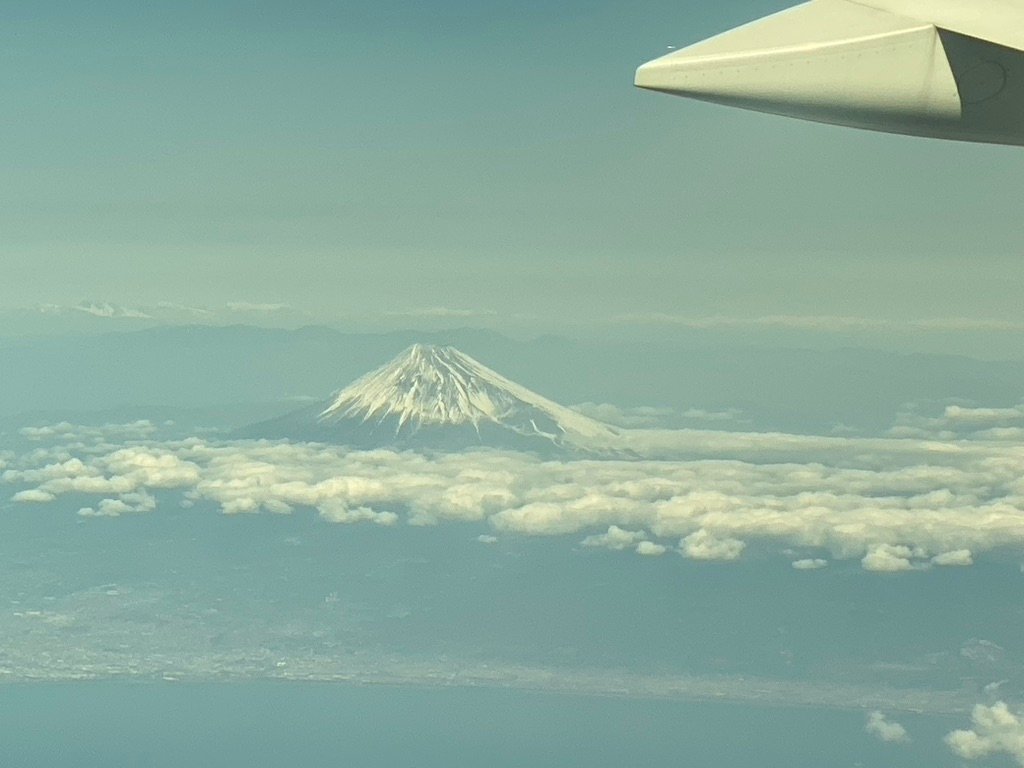
But the absolute highlight of the flight? As we neared Tokyo, we glanced out of the left-hand window and there it was – Mount Fuji. Glorious, majestic, and utterly breathtaking. Its snow-capped peak was bathed in sunshine, rising above a sea of clouds. It felt like Japan was welcoming us with open arms.
All in all, the flight was smooth, comfy, and full of little moments that made us feel like our Japanese adventure had already begun before we’d even landed.
Tokyo : Temples, Piglets and Pokemon
We arrived in Tokyo excited, slightly bleary-eyed, and buzzing with anticipation. First challenge? Find our hotel – the Keio Plaza. Sounds simple, right? Well… not quite. Step one was the Tokyo Monorail, step two the Yamanote train line to JR Shinjuku Station, and step three… escaping the station. With something like 200 exits, it felt like we’d entered a labyrinth. We were well and truly lost. Thankfully, two lovely Tokyo tourism staff swooped in like guardian angels and pointed us in the right direction, we reckon their whole day is spent rescuing bewildered tourists like us!
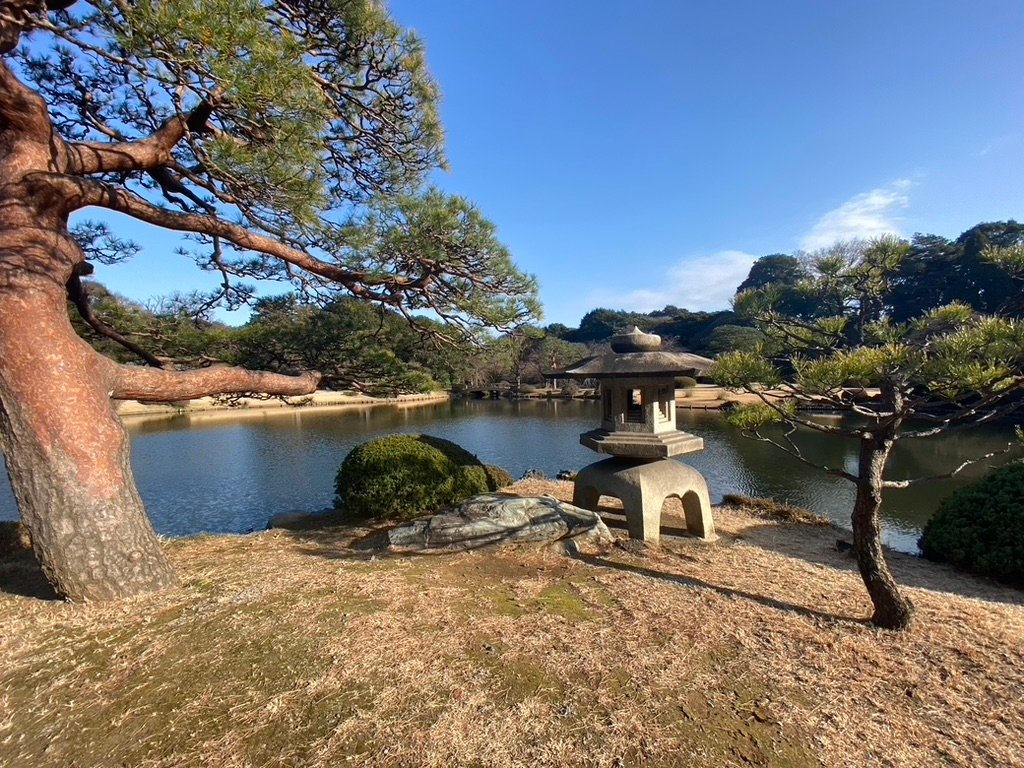
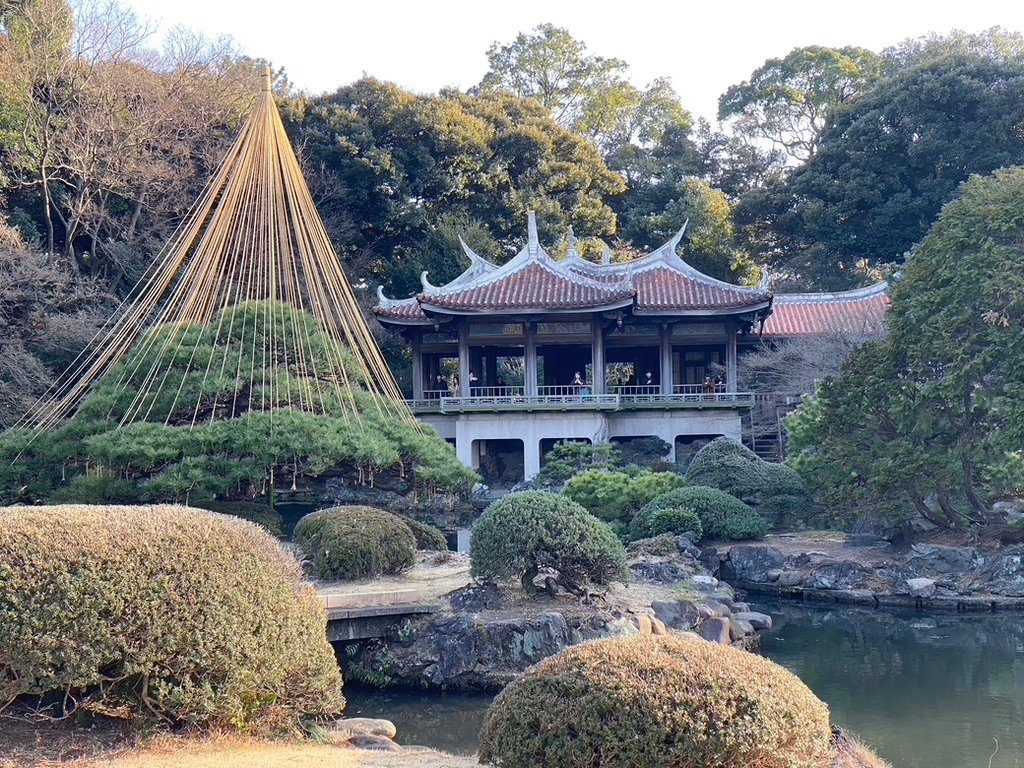
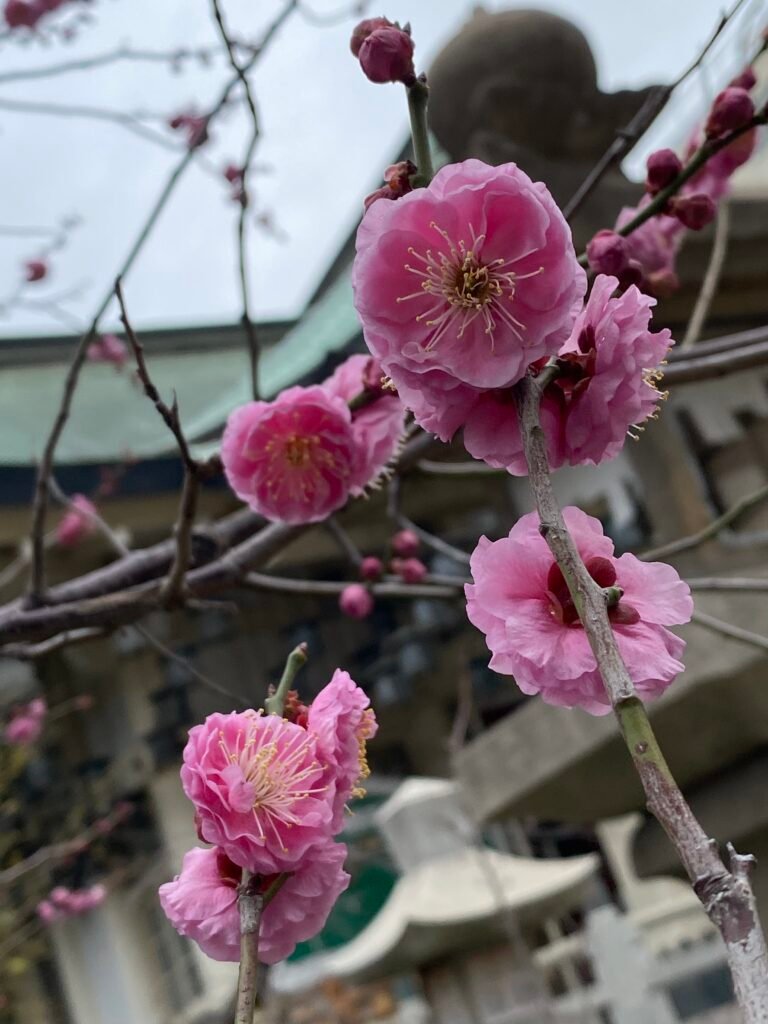
We’d braced ourselves for teeny-tiny hotel rooms, but were pleasantly surprised – two double beds and loads of space to spread out and recover from the journey. No time to waste though – we headed straight to Shinjuku Gyoen National Garden, just a short taxi ride from the hotel. It was stunning in the afternoon light, a peaceful oasis nestled among towering skyscrapers. We even spotted the first plum blossoms of the season. The historic tea house by the lake was picture-perfect, and we were fascinated by the cone shaped “umbrellas” of golden rope surrounding some of the trees – Yukizuri, we later learned, a beautiful tradition to protect trees from heavy snow.
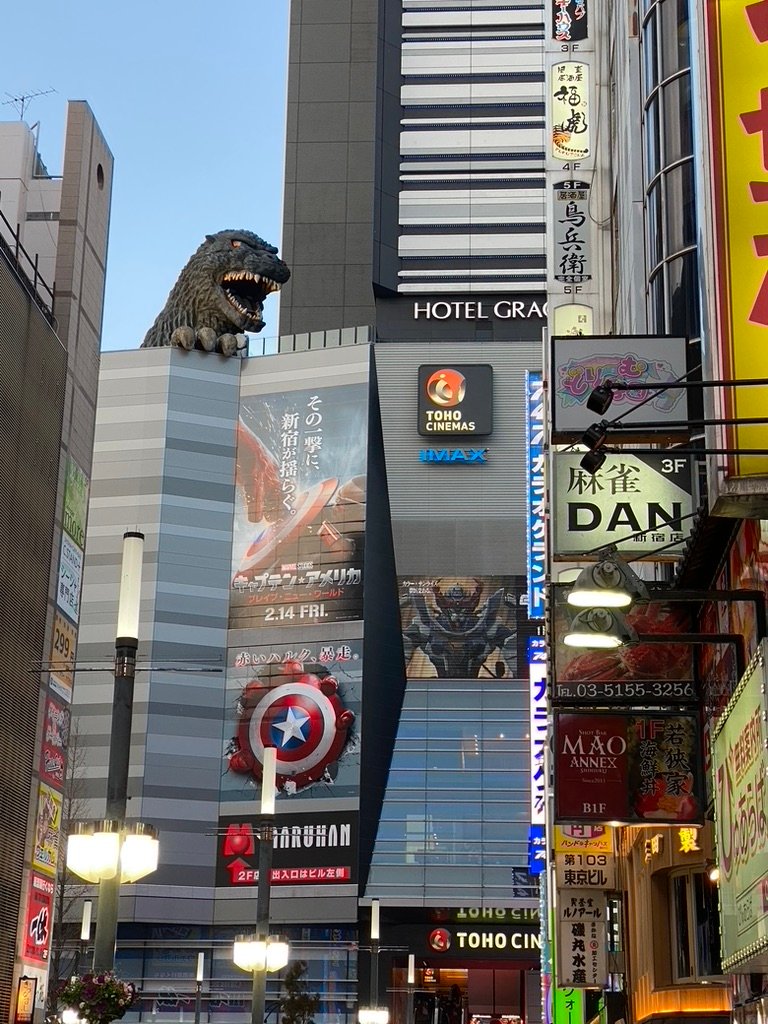
Next stop: the Godzilla shop and the iconic model Godzilla peeking out from the rooftops in Kabukicho.
Then off to Harajuku, the land of “kawaii” style and capsule toy heaven. Our son was in his element in the Gacha shops, surrounded by machines dispensing tiny treasures.
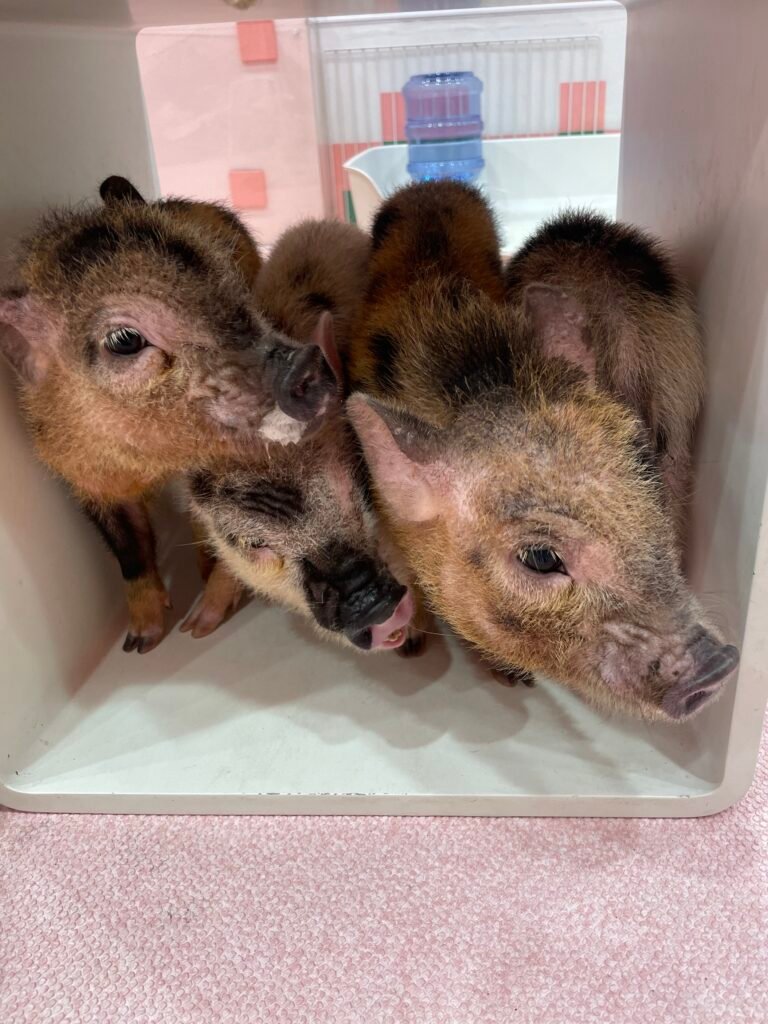
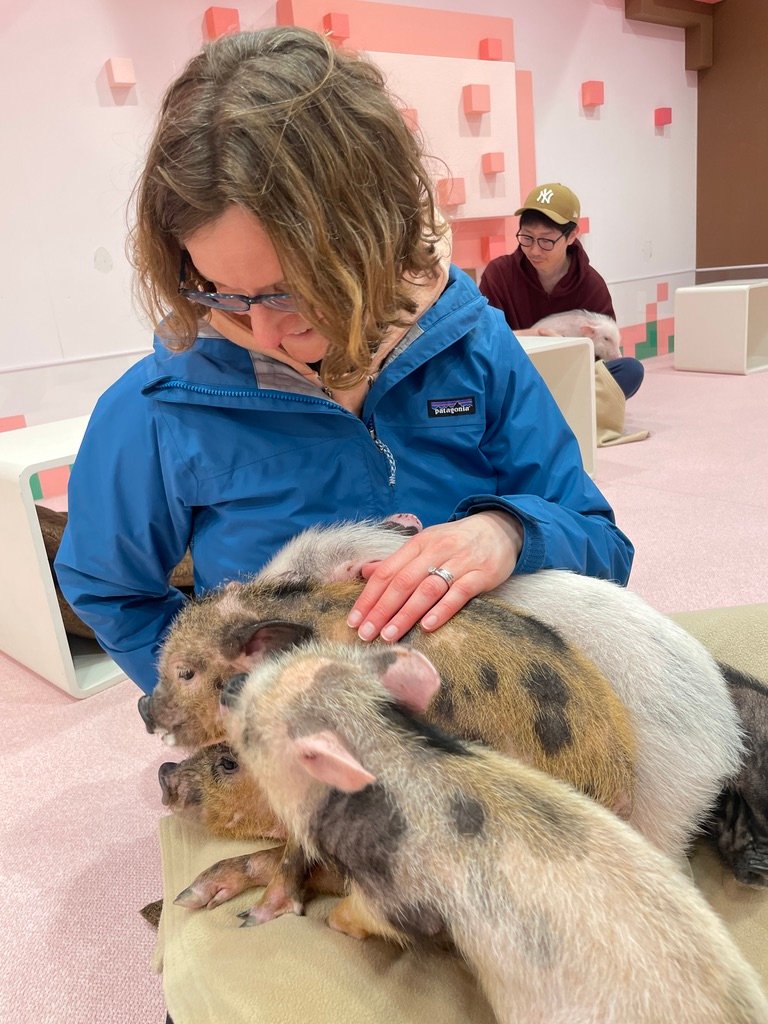
Now, I’d firmly told my son we wouldn’t be visiting animal cafés as I wasn’t sure of the conditions for the animals, but one peek through the window of Mipig Café and… well, we were smitten. Not sure why it’s called a café – there was no coffee in sight – but there were piglets. So many adorable piglets. It was spotless, peaceful, and you sat on the floor waiting for the piglets to choose you. Our son had two sleepy little piggies curl up in his lap, while my husband and I ended up with a more rambunctious pile-on – five piglets clambering over each other to claim our laps. We left covered in drool but very happy and grateful for the hotel’s washing machines that night. As a vegetarian, I tried not to think about what happens when they grow up…
We rounded off the day with a delicious ramen meal at the top of Takeshita-Dori street—our first proper taste of Japan, and it didn’t disappoint.
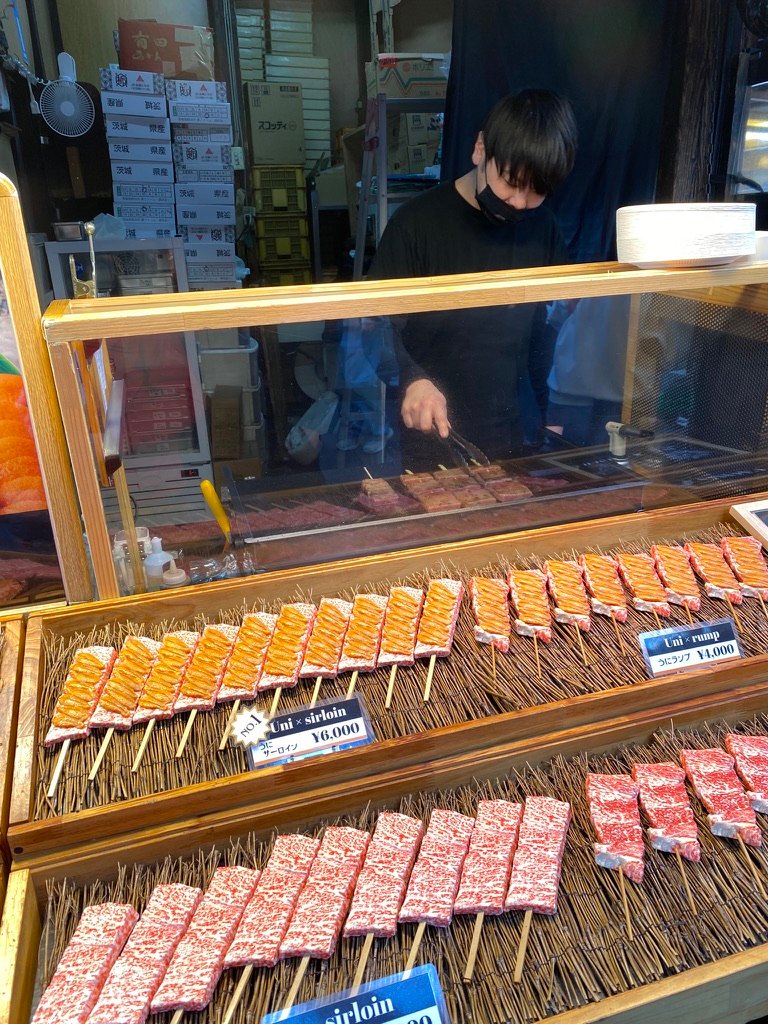
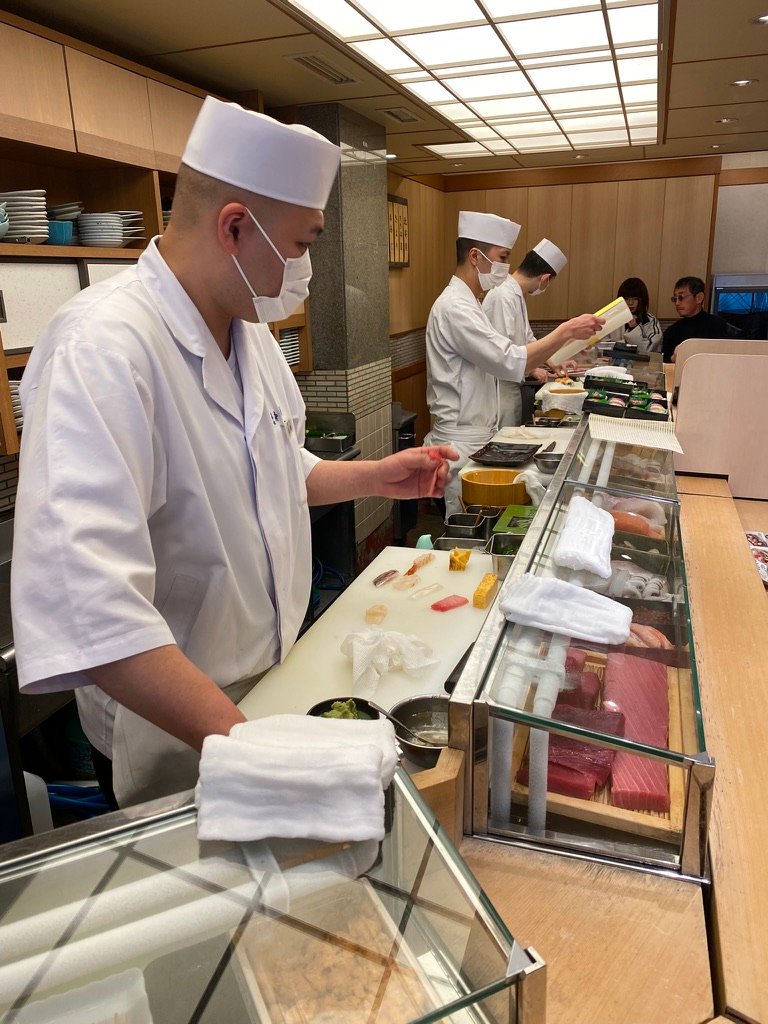
The next morning brought a new discovery: ice cream for breakfast is totally normal here. Our son was delighted. Then we met our lovely guide, Akemi, who whisked us off to Tsukiji Food Market. It was a sensory explosion – noisy, vibrant, and packed with incredible smells. Our son handled it so well, diving into the experience with his love of Japanese food leading the way. Cue the Wagyu steak moment. My husband and son watched it sizzle over charcoal, and when they finally tasted it, my son’s face lit up. Then came sushi heaven – an upstairs counter where we watched chefs craft exquisite bites right before our eyes. Our son was fearless, trying everything.
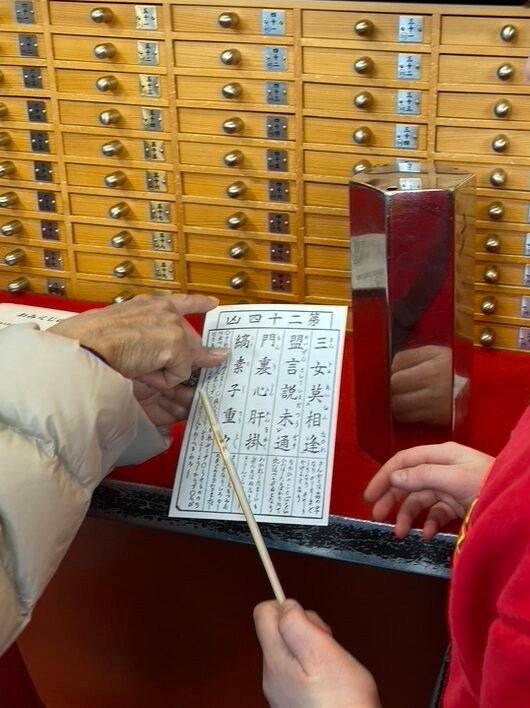
Next stop: Asakusa Temple. We shook a suzu (a hexagonal box), pulled out a numbered stick, and retrieved our fortune from the numbered draws. My husband got a “bad” one, but no worries – you tie it to a rack and it gets burnt at the end of the day. Bad luck, be gone!
We also had our first encounter with Japan’s legendary vending machines. They’re everywhere and sell everything from drinks and snacks to fresh sushi and souvenirs. Our first purchase? A Mog-good mango drink. Delicious. We were officially on a mission to find more.
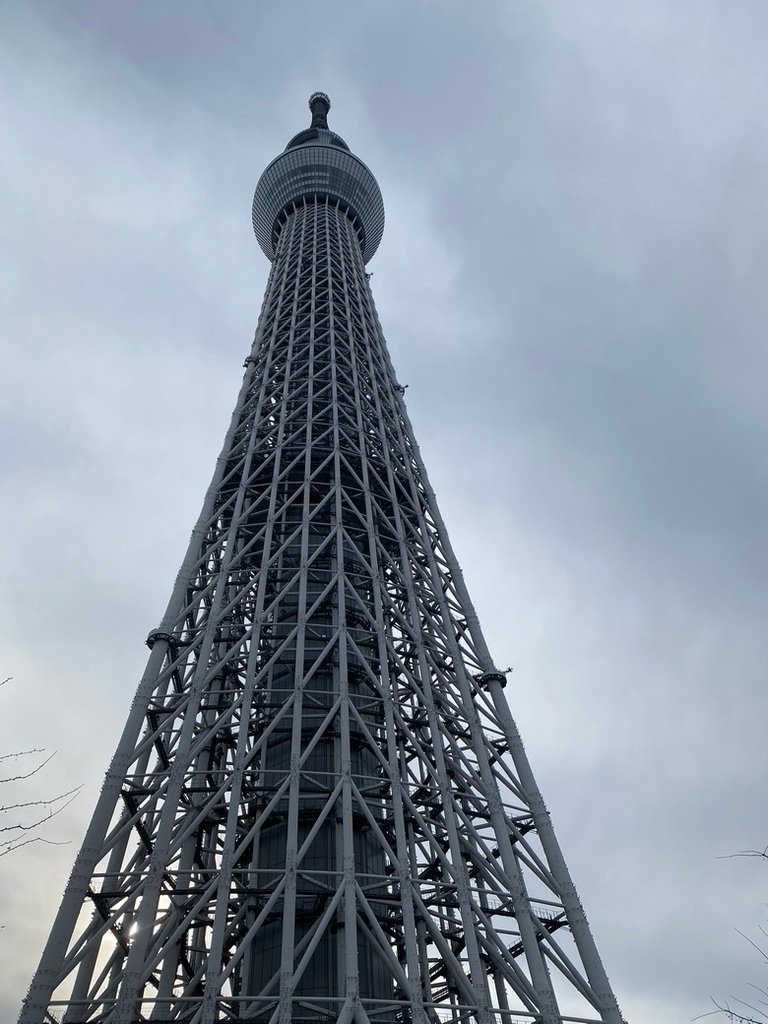
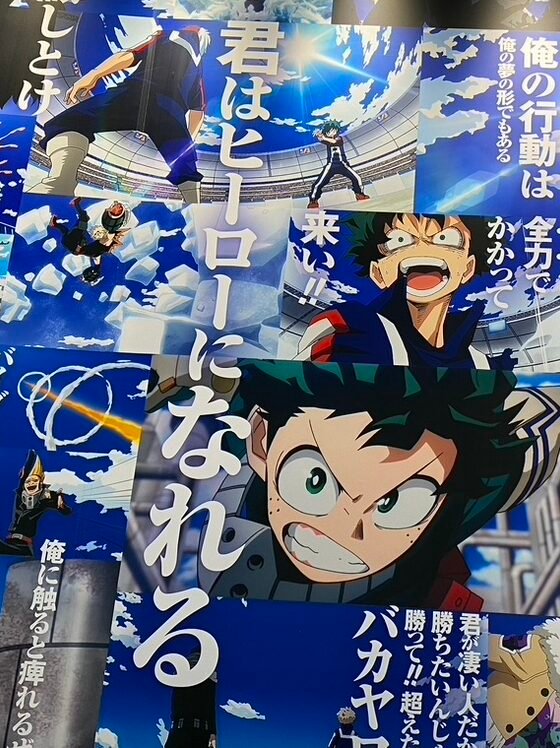
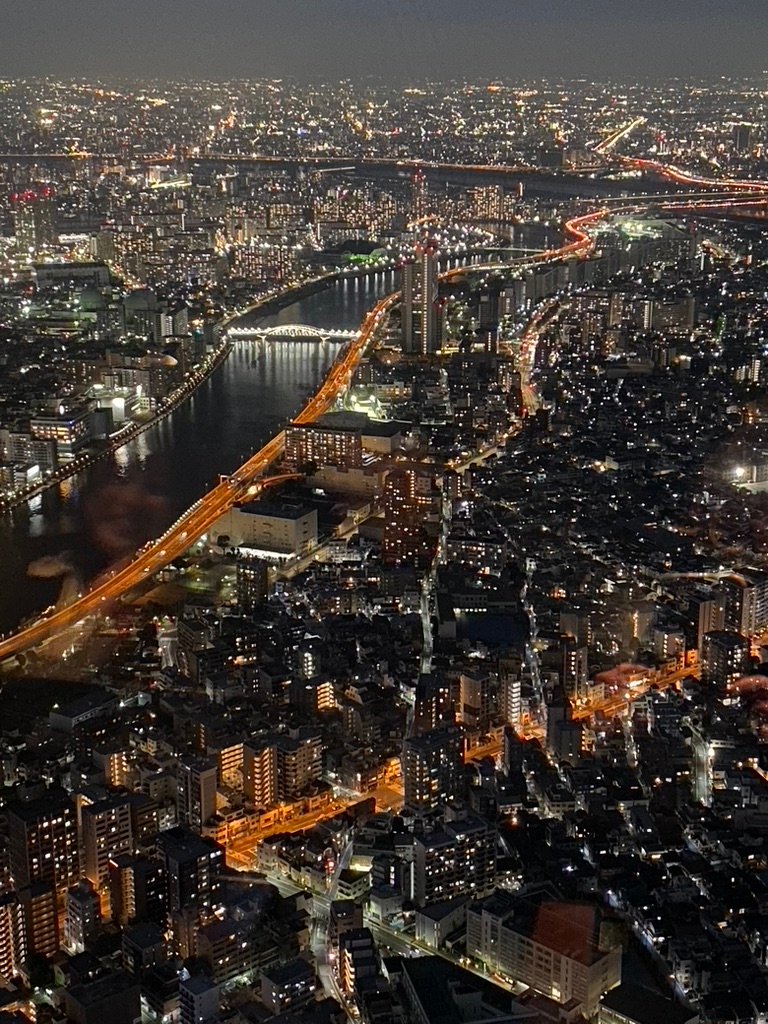
Plans to visit Odaiba were shelved when our son spotted a poster for a My Hero Academia event at the Skytree. So off we went! It was the only attraction in Japan that felt chaotic – disorganised slow queues everywhere – but the views from the top were worth it. Tokyo stretched endlessly in every direction. Our son loved the anime exhibition, and we watched the sunset from the tower, seeing the city transform from day to night.
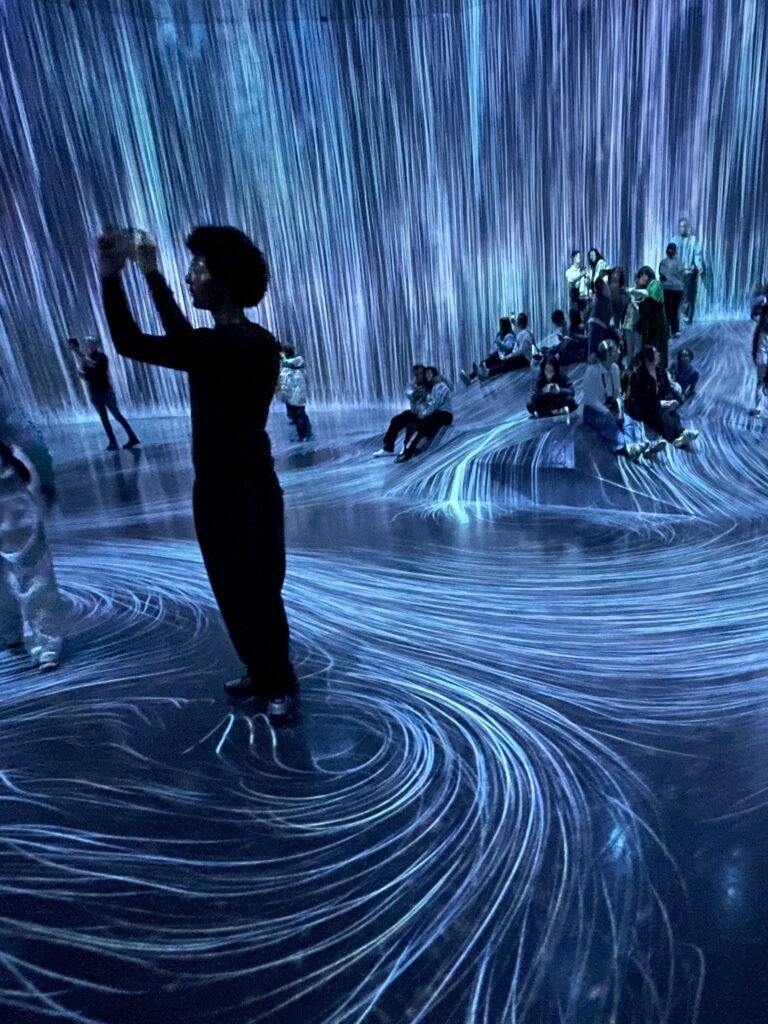
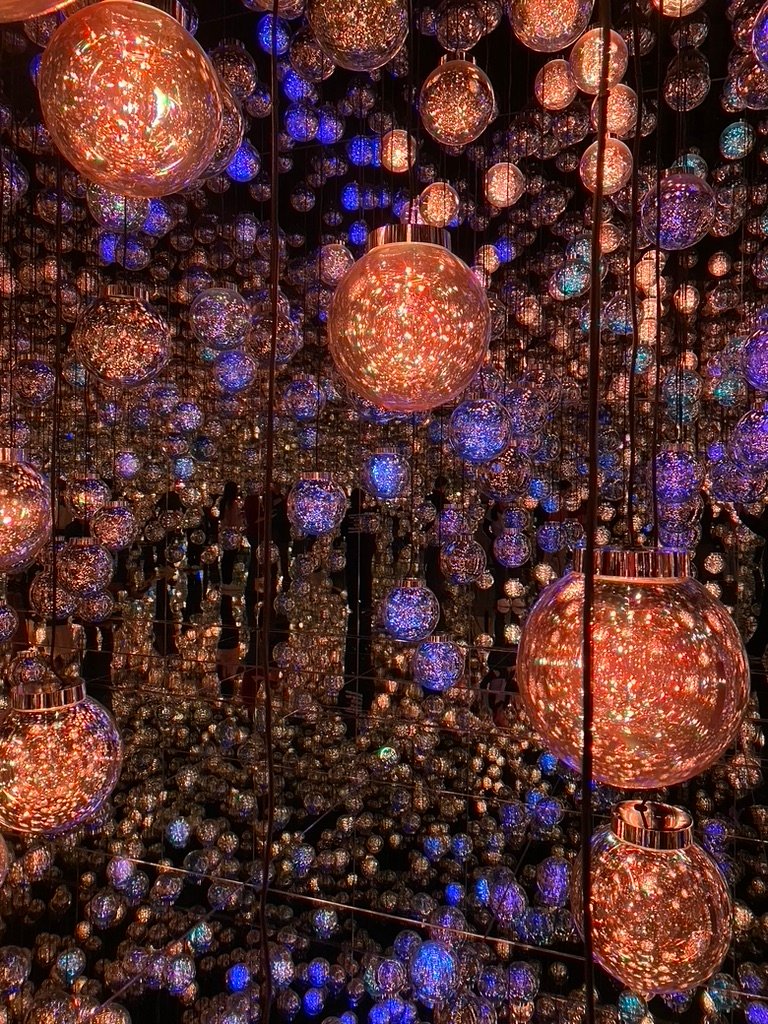
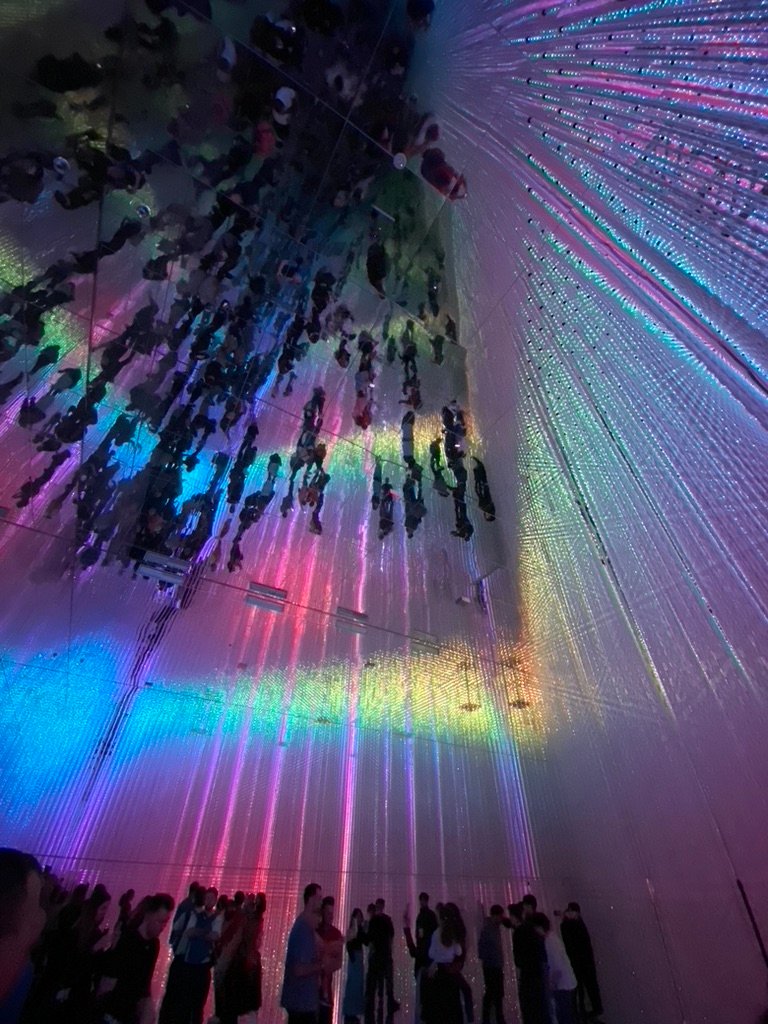
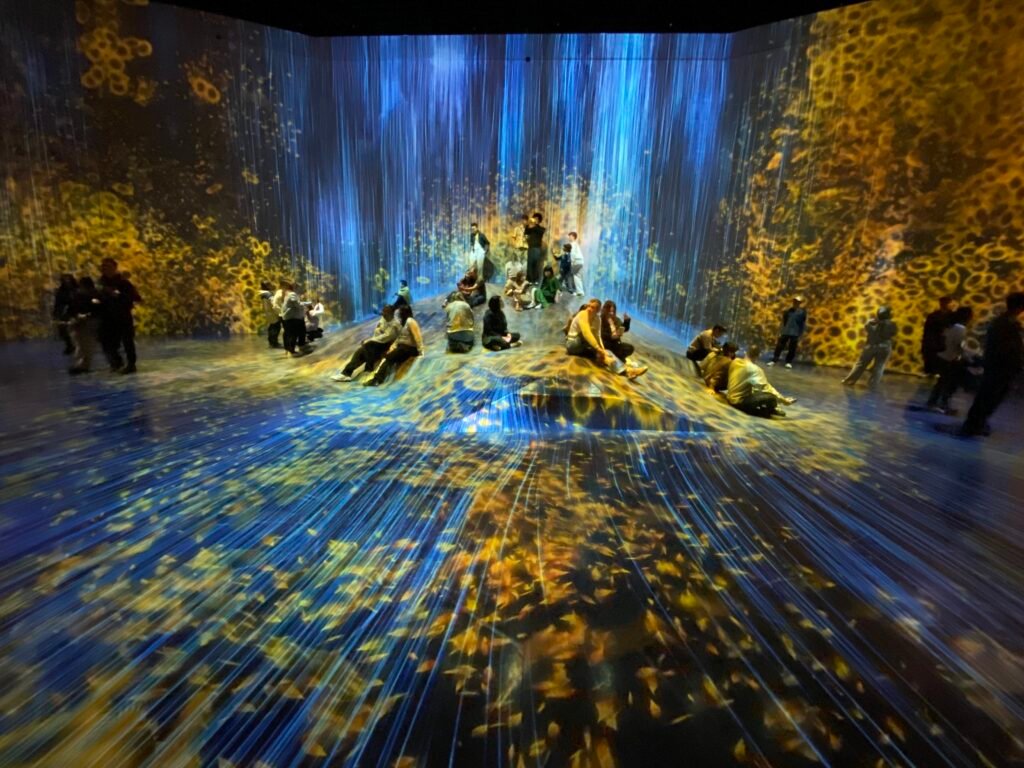
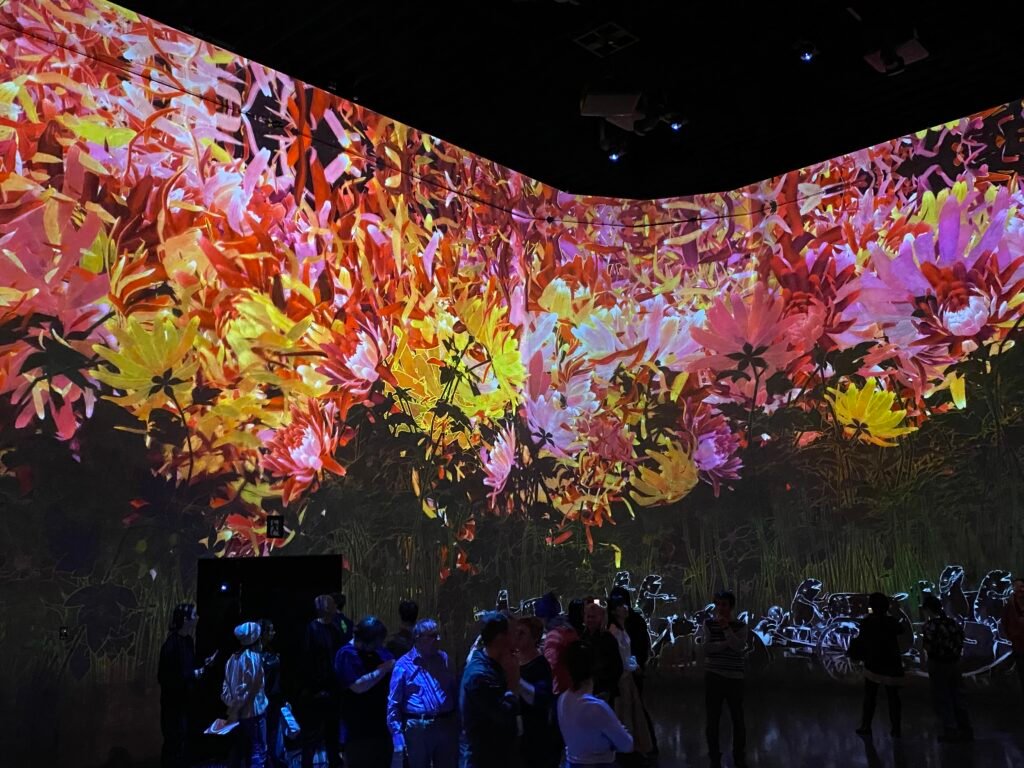
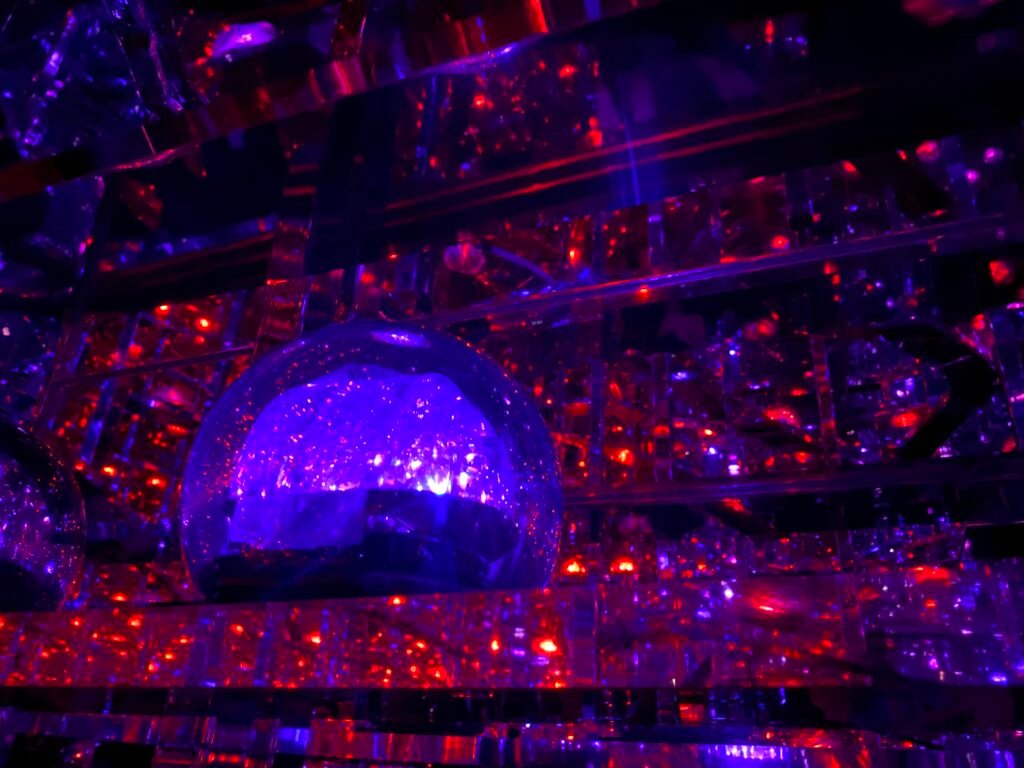
The next morning was Team Lab Borderless in Azabudai – a place we’d discovered thanks to the James May’s Our Man in Japan TV series. Thankfully, I’d booked tickets from the UK, as there were no tickets on the day. And wow… it was breathtaking. A fully immersive digital art experience where the installations react to your movements. One man stood still and the “water” swirled around his feet. Magical, surreal, and impossible to describe properly. Just go.
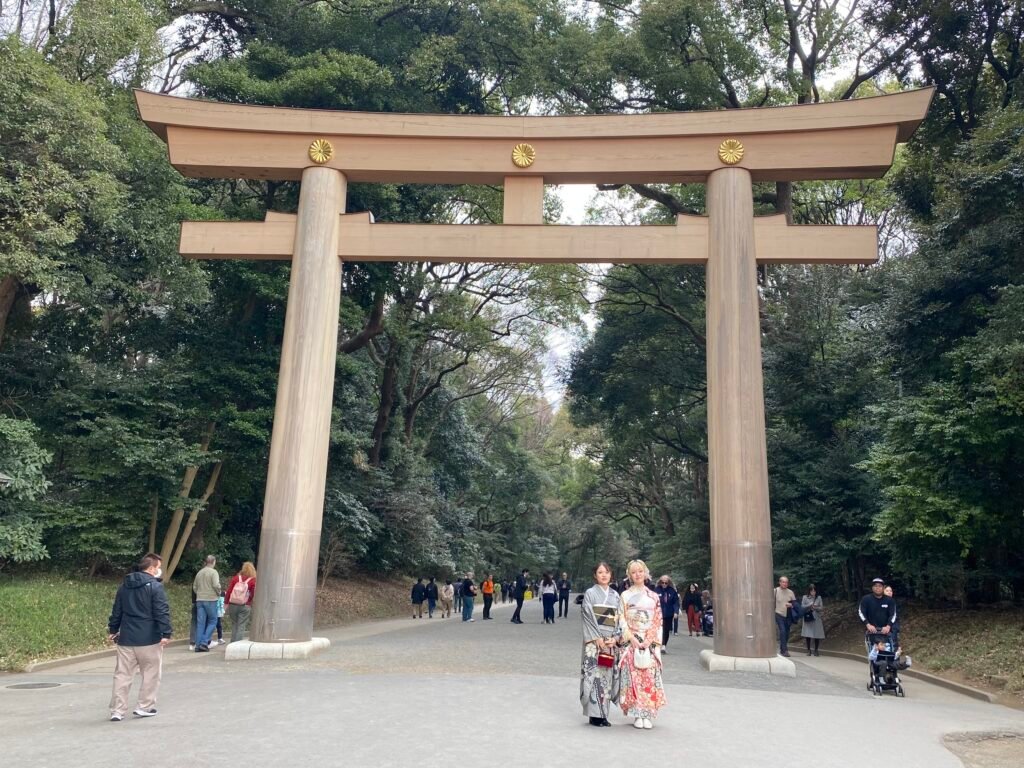
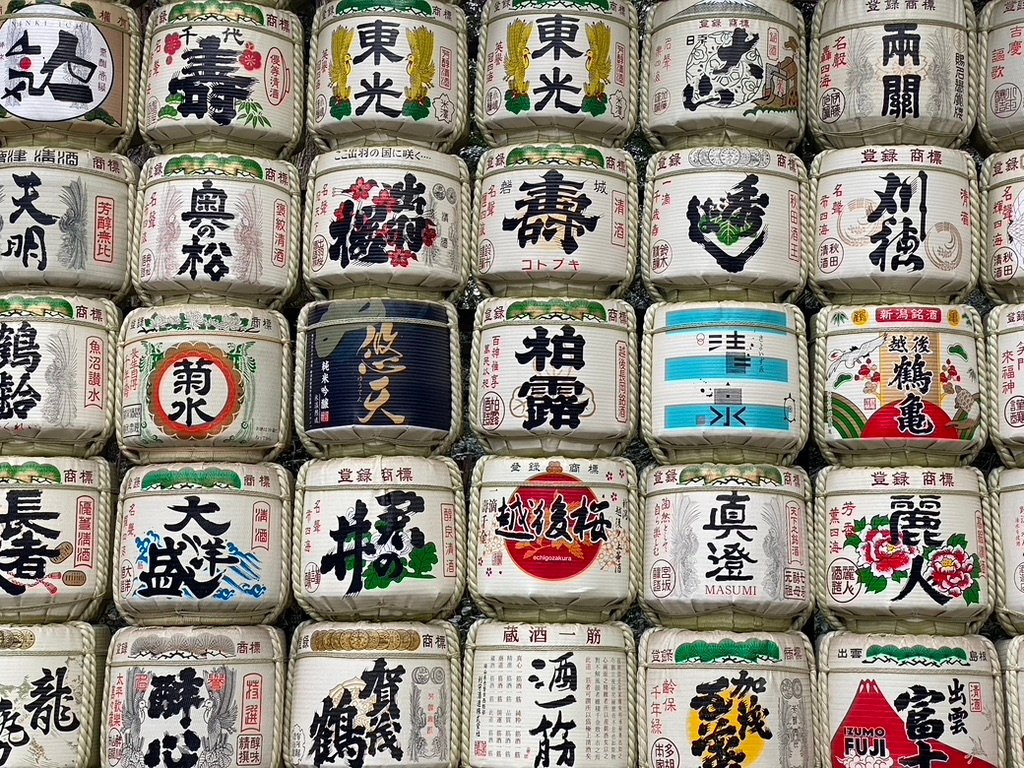
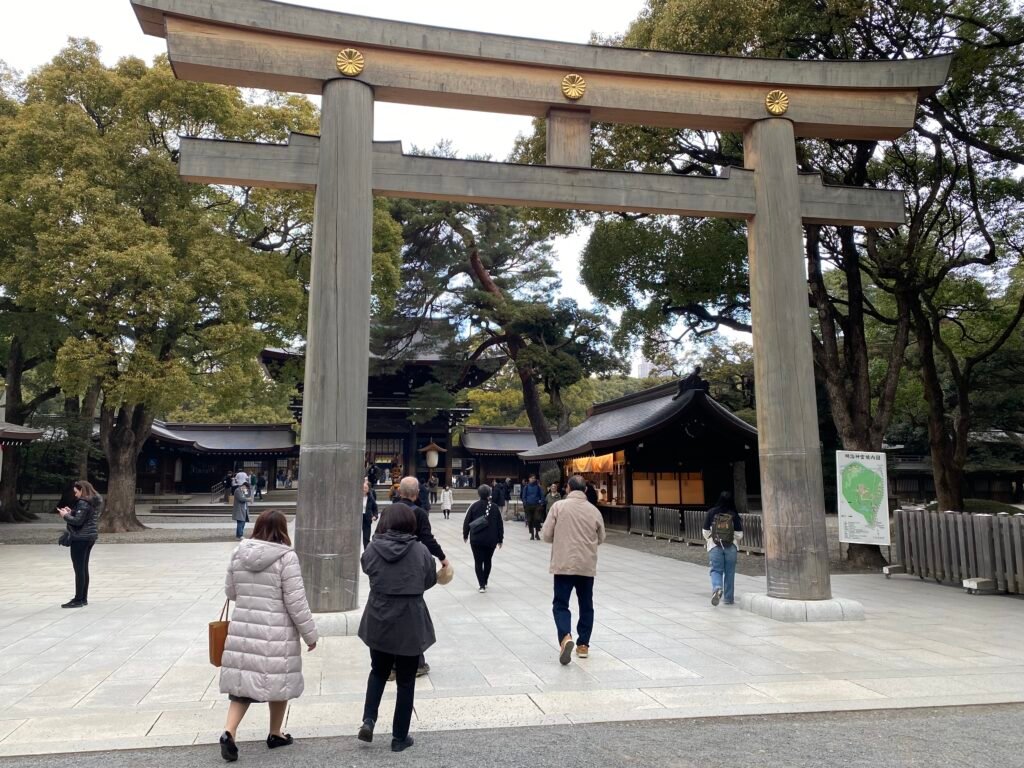
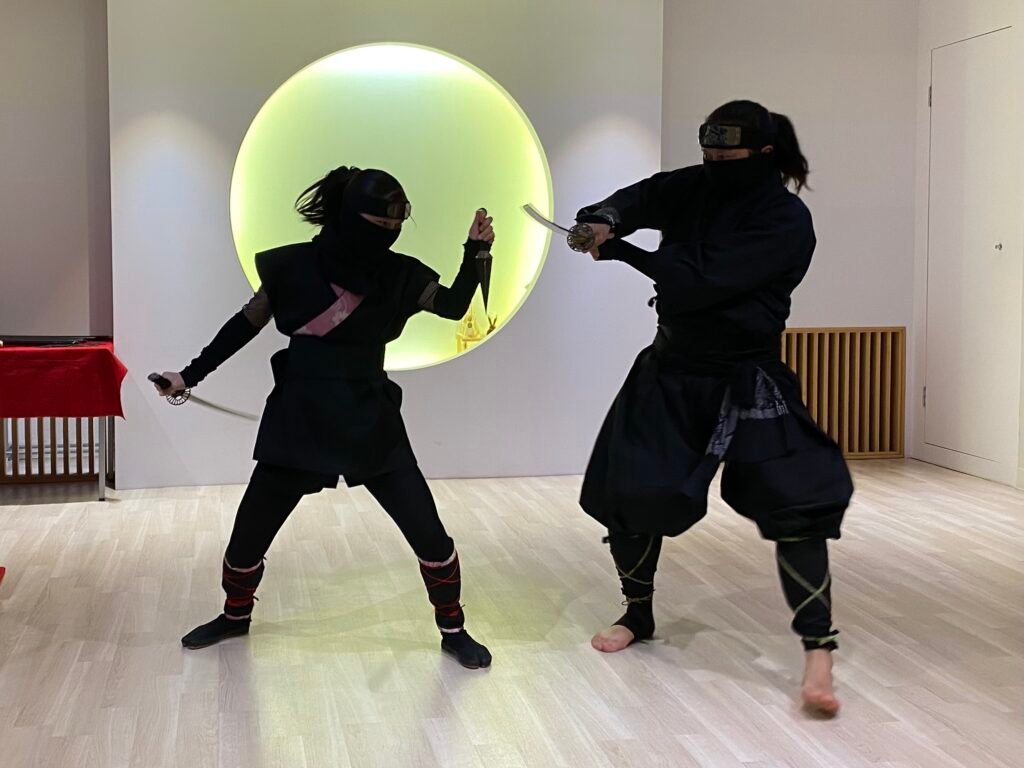
After lunch (including a strawberry cake that Google Translate hilariously labelled “poisonous shortcake”) in Yoyogi Park and the peaceful Meiji Jingu temple (complete with a saki barrel wall), we headed to a Ninja Warrior experience.
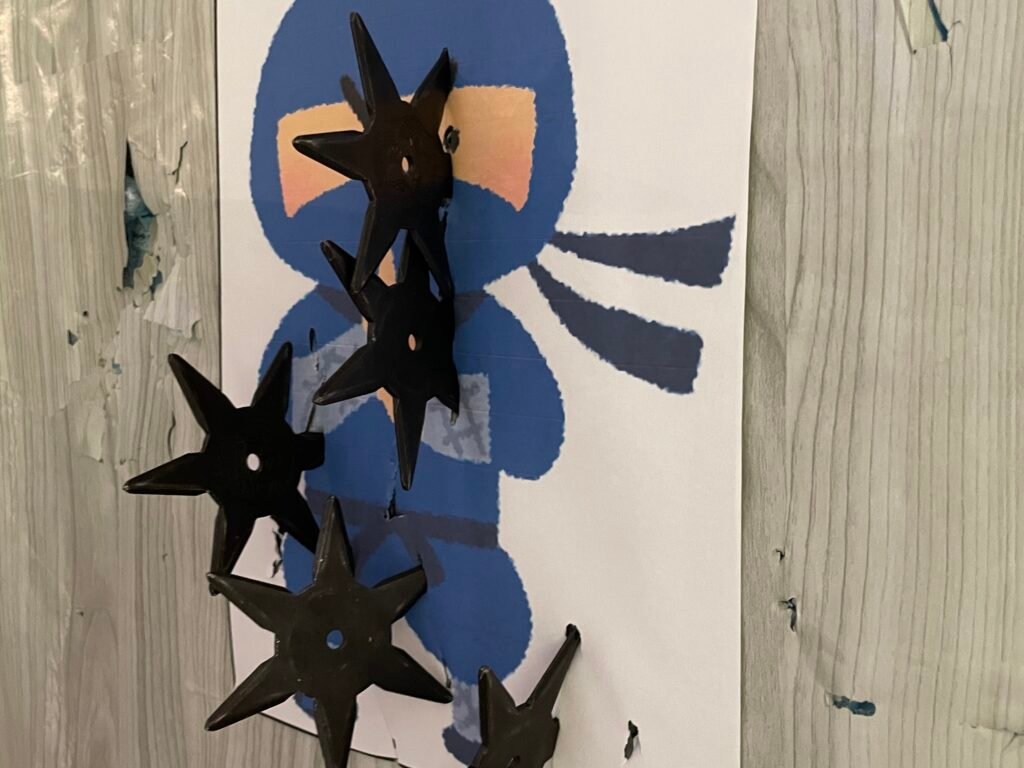
It was designed for kids, but we had just as much fun dressing up as ninja and learning to throw shurikens and wield ninjatos. Our guide helped bridge the language gap with the two silent-but-deadly ninjas, adding to the charm.
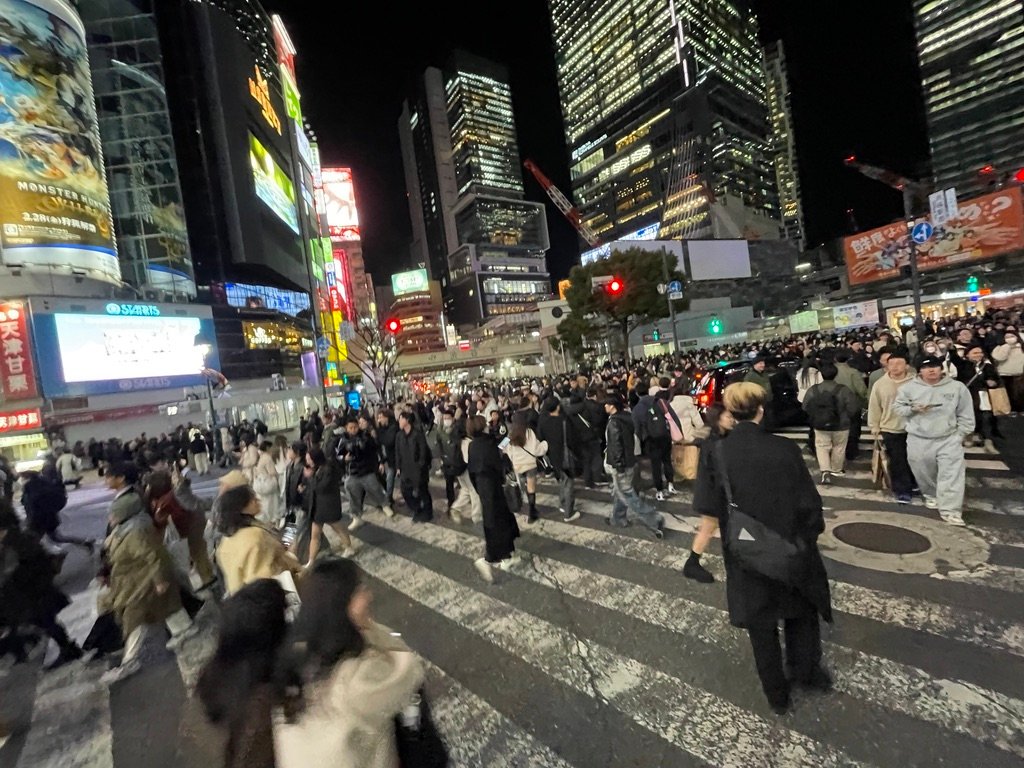
No Tokyo trip is complete without a visit to a Pokémon store, so we braved the legendary Shibuya Crossing. It was wild – pedestrians flooding in from every direction, a human tide of 50,000+ people per hour. Overwhelming, yes, but the promise of Pokémon kept our son going.
And just like that, our Tokyo chapter came to a close. We headed to the station for our first Shinkansen ride, but not before gently tapping on the window of a napping taxi driver. No response. The concierge gave a more vigorous knock and explained it was inemuri—a cultural nap that’s actually a sign of dedication. Only in Japan!
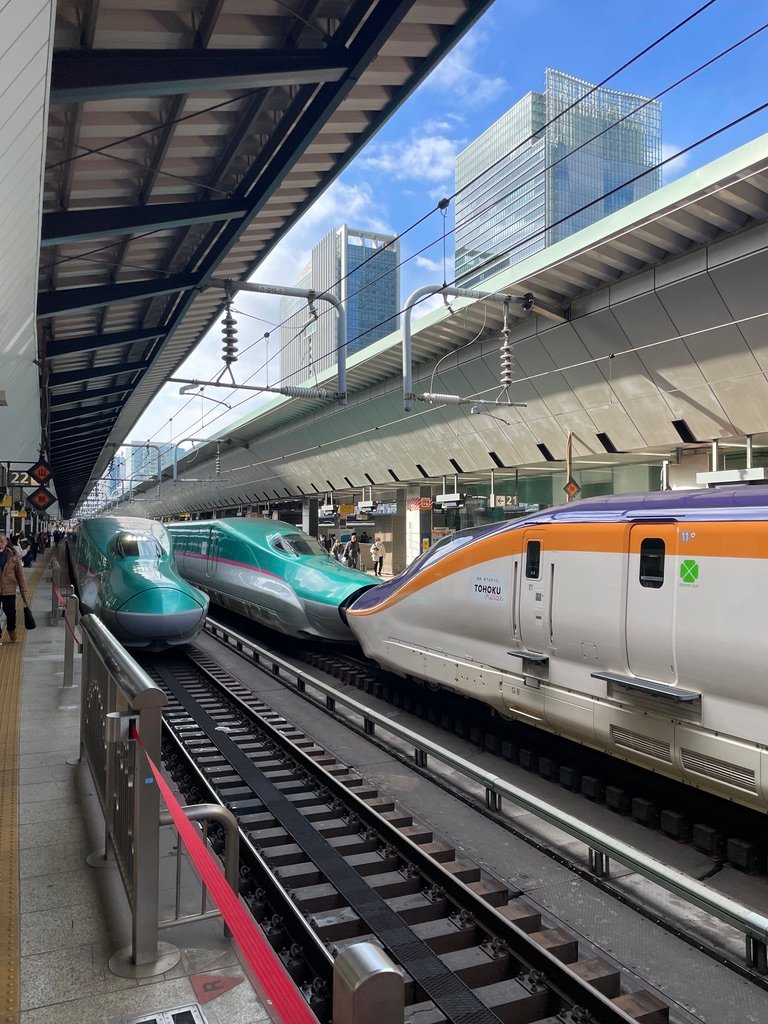
Waiting on the platform, we watched the bullet trains zoom past in awe. Our son was thrilled to find a shinkansen-shaped bento box, just like he’d seen on YouTube. And with that, we were off—next stop, Yudanaka!
Tokyo: Useful Links
Yudanaka : Snow Trains, Spa Monkeys and Ski Heaven
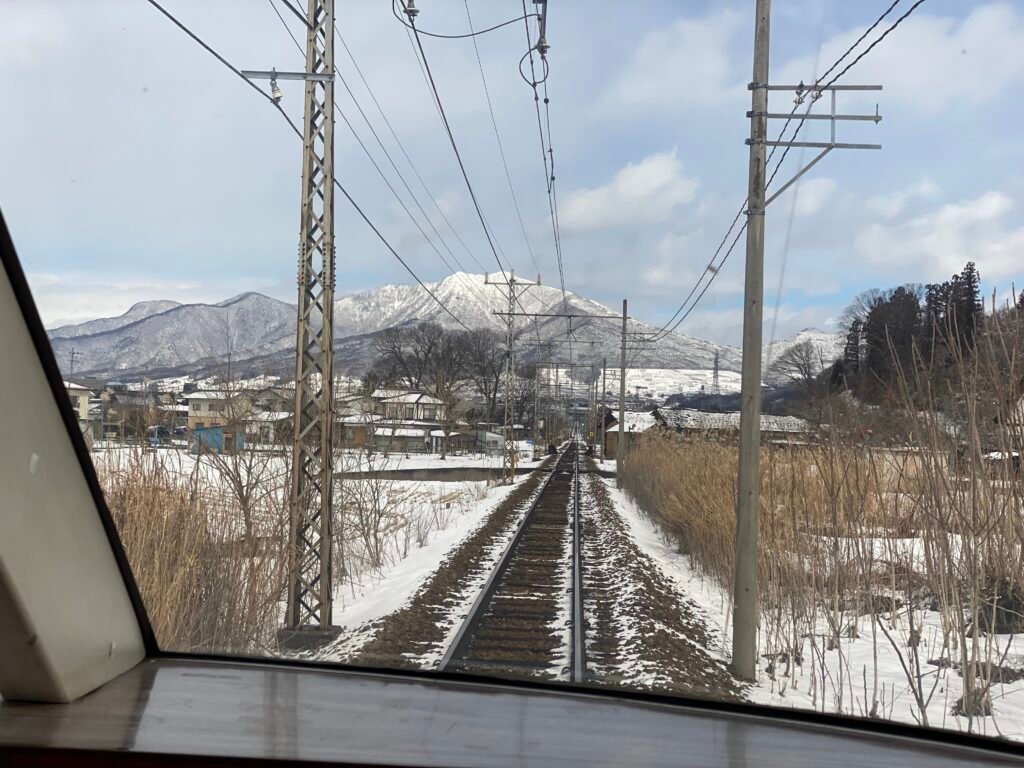
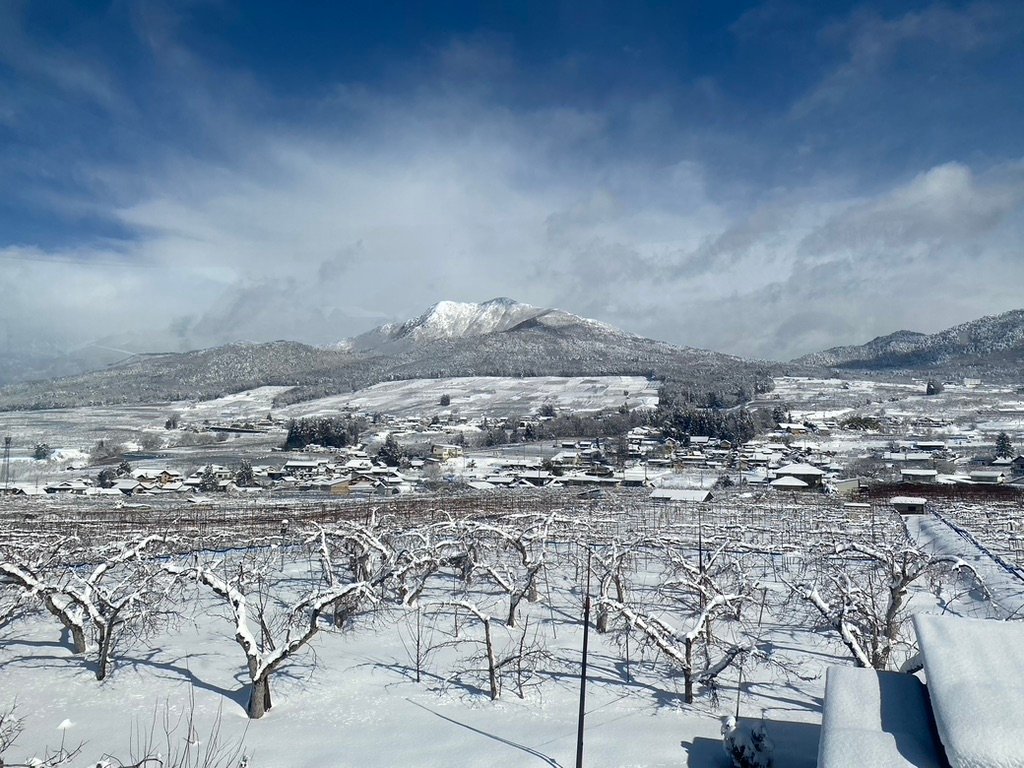
From the buzz of Tokyo, we swapped neon lights for snowflakes and boarded the Shinkansen to Nagano, then hopped onto the snow train bound for Yudanaka. We lucked out with free seats right at the front of the train, paid a little supplement to the ticket collector, and were treated to the most spectacular view as we climbed into the Japanese Alps. The train driver casually pulled down a ladder and climbed into the cab above our seats – something we’ve never seen before! But it meant we had a completely unobstructed view of the snowy wonderland ahead. Snow-laden fruit trees and frosty vines drifted past.
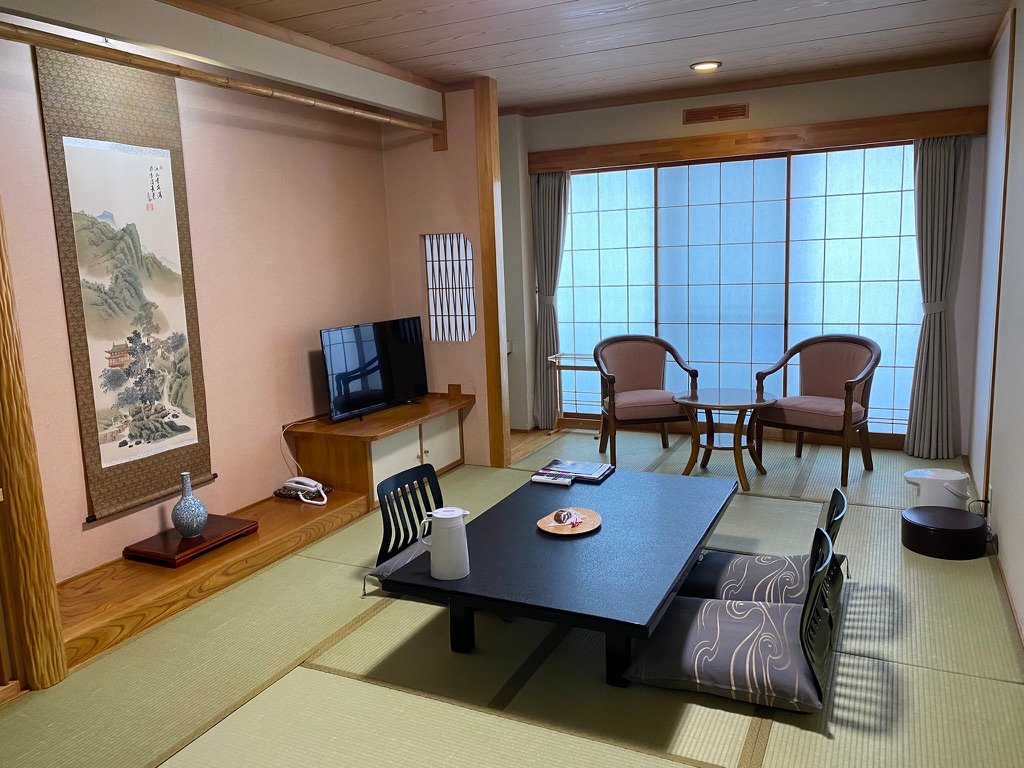
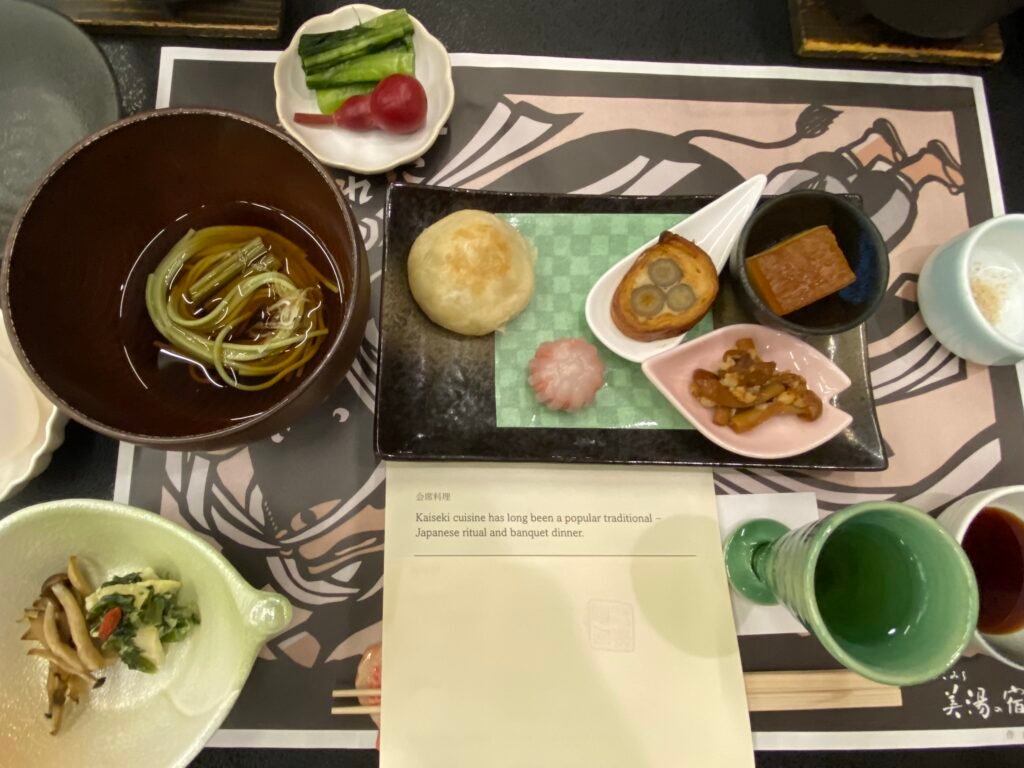
In Yudanaka, we got our first taste of a Ryokan – a traditional Japanese inn (Biyu No Yado Ryokan). We’re so glad we had the experience, but we’ll sheepishly admit… we do prefer a western bed. Clearing the room each night to roll out futons on the floor was a bit of a faff. That said, the food was phenomenal. Multiple courses of beautifully presented delights, including a very cool moment where we picked mushrooms from a mycelium block and grilled them ourselves. So fun, so tasty.
That afternoon, we bundled up and took the snow bus to Jigokudani Monkey Park. At the entrance, we hovered around stalls selling snow grips, debating whether we needed them. A kindly tourist reassured us that the snow was soft, not icy, and our walking shoes would do the trick. Sorted!
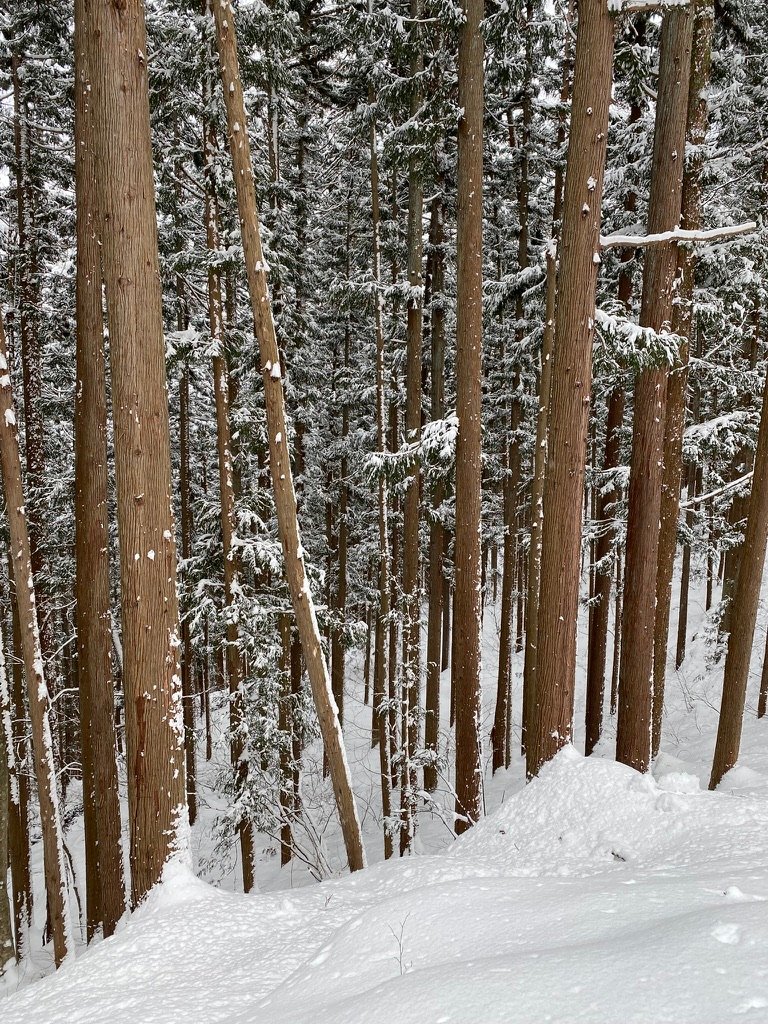
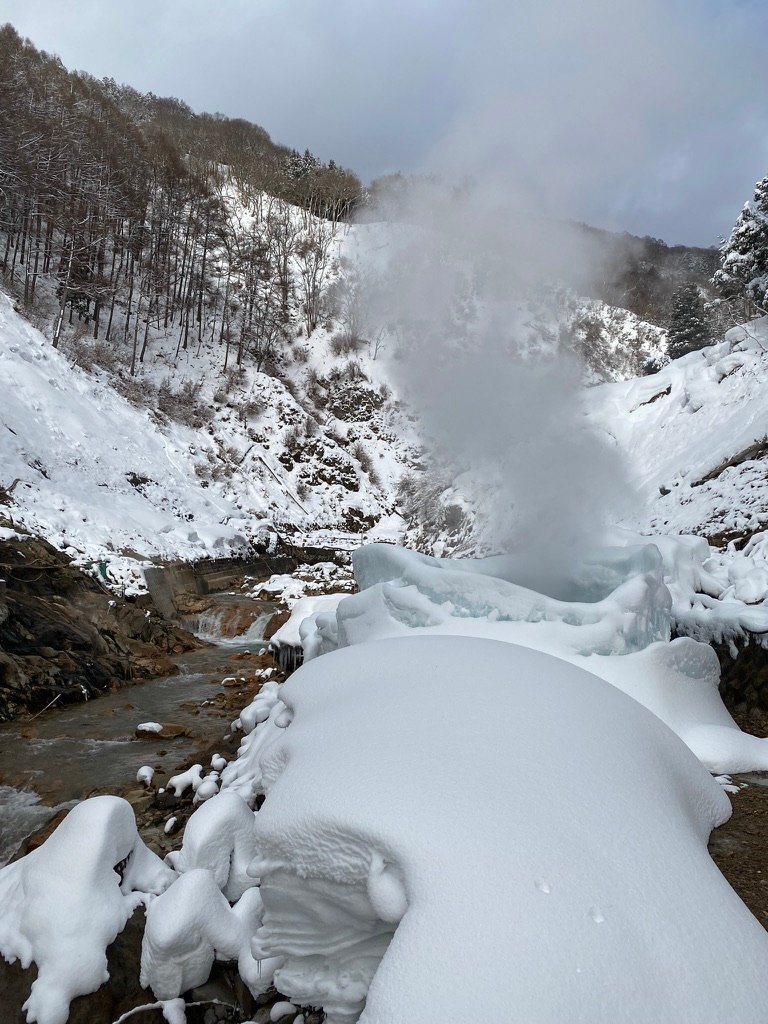
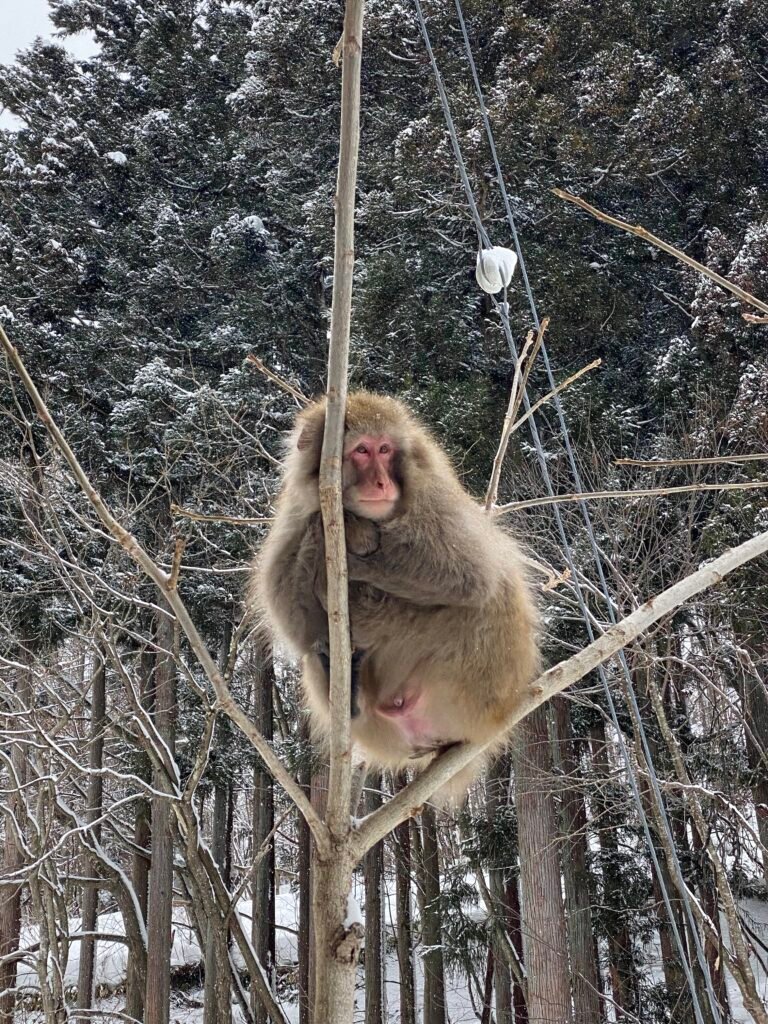
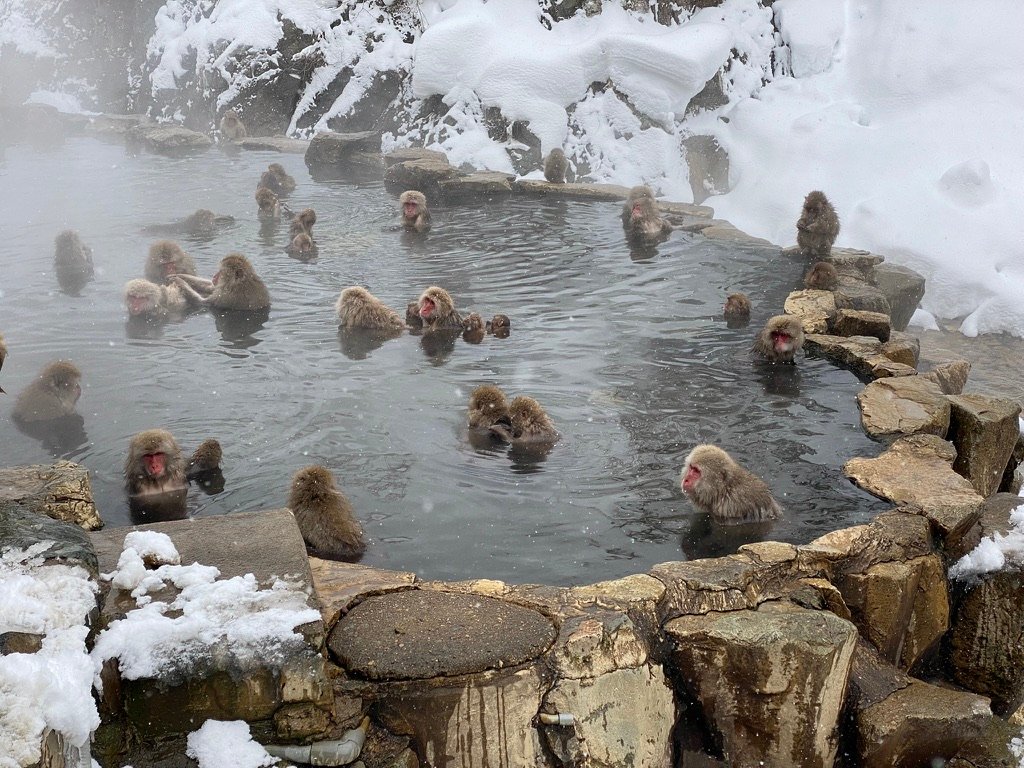
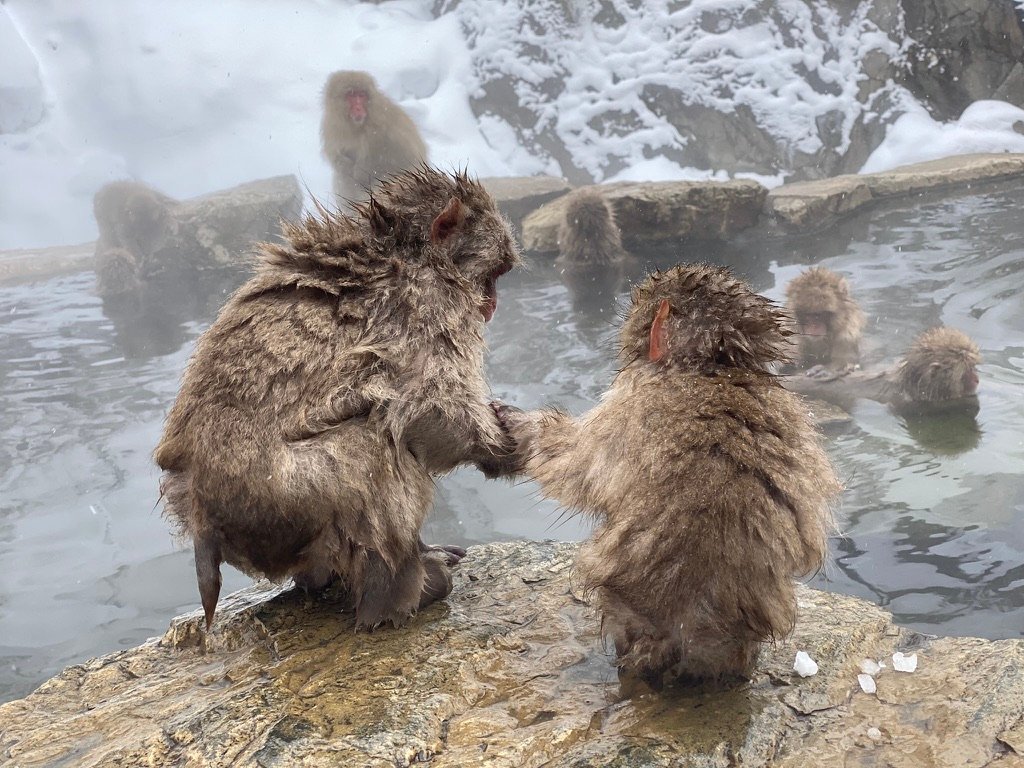
The walk to the park was pure magic – a mile-long snowy trail through serene woodland, past a steaming geyser and was punctuated by snowball fights. And then… monkeys! With snow blanketing the ground, they were all soaking in the hot springs, keeping warm and looking utterly content. It was a scene of pure joy – older monkeys lounging like spa veterans, while the youngsters bounced around like toddlers. We couldn’t help but laugh when one monkey mum grabbed her little one by the scruff and hauled it out of the springs for a grooming session. You could practically hear her saying, “Enough monkeying around!”
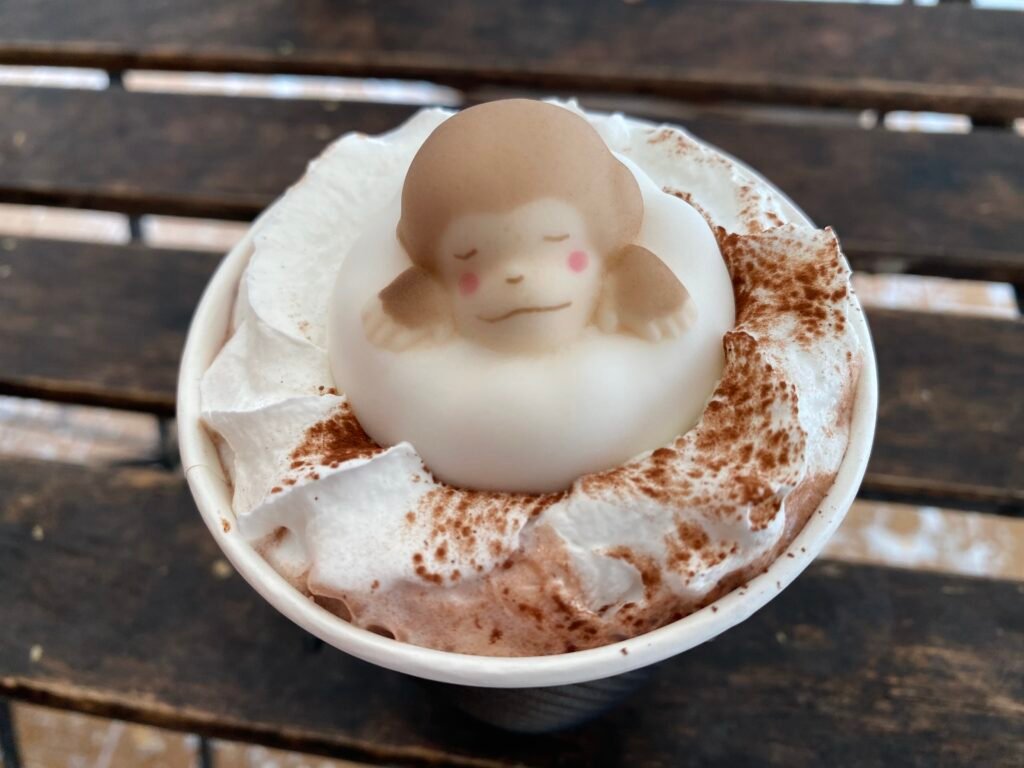
After being completely mesmerised by their world, we headed back to the bus stop and treated ourselves to the most divine apple turnovers and hot chocolate – complete with a monkey-shaped marshmallow. A delicious end to a snowy adventure.
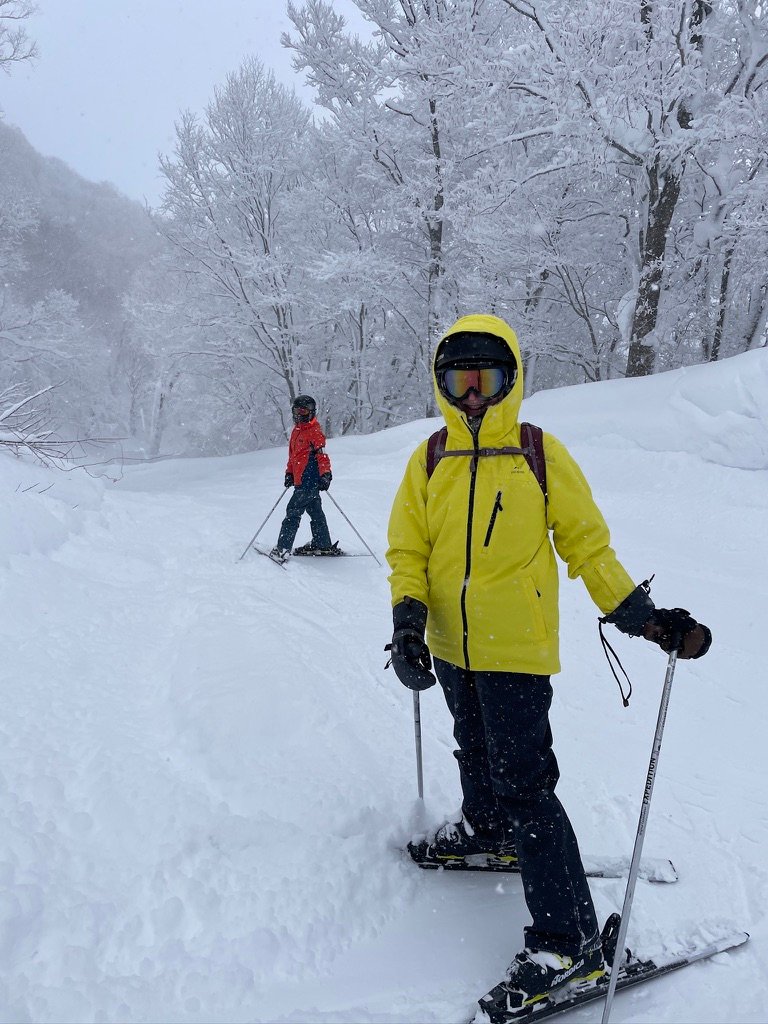
The next morning was an early start for our ski day at Shiga Kogen. I had everything crossed that my internet research and advance bookings would come together – and thankfully, they did! The powder was deep, the snow gently falling, and the pistes were blissfully empty. Sure, the lifts were a bit retro, but there were no queues anywhere – not for the lifts, not for the cafés. Heaven.
It was in one of those mountain cafés that we discovered our new obsession: chocolate-covered macadamia nuts. So good. We skied almost non-stop all day, with just two short breaks to refuel and marvel at the views.
Back at the Ryokan, we collapsed into the private rooftop family onsen, letting the warm water soothe our tired limbs. It was the perfect way to end a perfect day.
And just like that, it was time to retrace our steps – back to Nagano, and onwards to Kanazawa. But Yudanaka had worked its snowy magic on us.
Yudanaka: Useful Links
Shiga Kogen Ski Resort – official ski resort website, where we found all the information we needed for our day skiing
Shiga Kogen bus – website we used to understand the bus timetable to get from Yudanaka to Shiga Kogen Yamanoeki
Ski pass purchase – booked ski passes in advance prior to leaving the UK, and picked up at the Shiga Kogen Yamanoeki ski station
Alpina Sports Rental – booked ski boots, skis and ski clothing (jackets and salopettes) in advance prior to leaving the UK, this is rental outlet is located at the Shiga Kogen Yamaoeki ski station
Kanazawa : Snowflakes, Samurai and Studio Ghibli Dreams
Kanazawa – what can we say? It stole our hearts. Hands down, our favourite city and our favourite hotel (Sai No Niwa Hotel), of the whole trip. There was just something about it… the charm, the calm, the welcome. It felt like home.
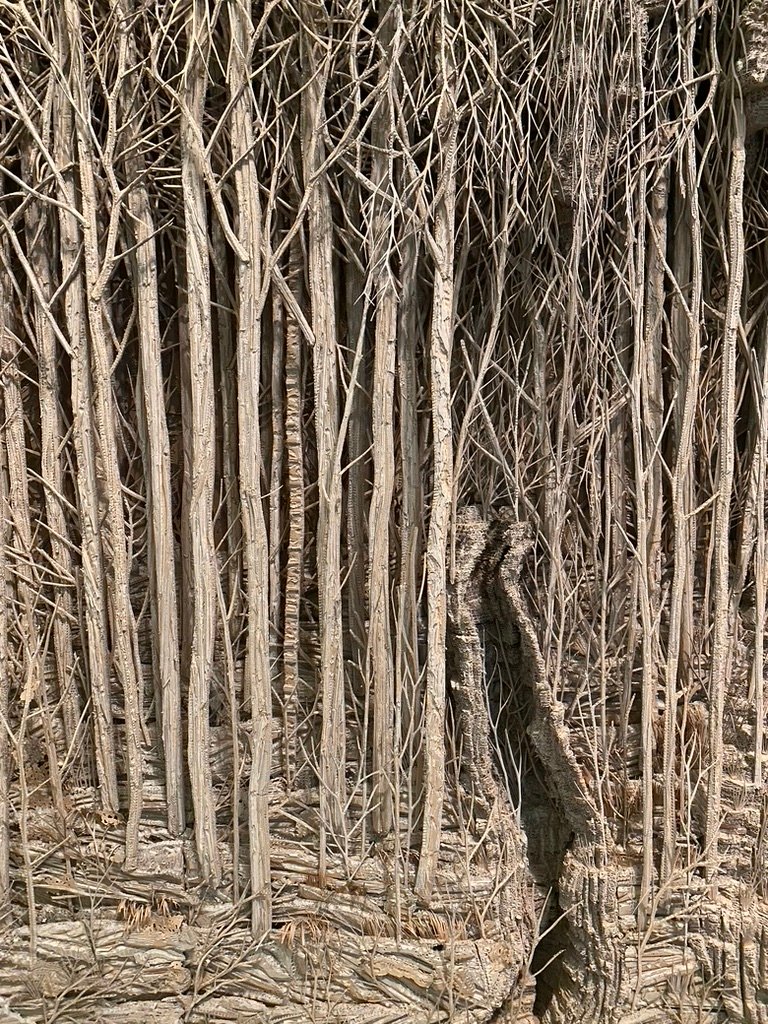
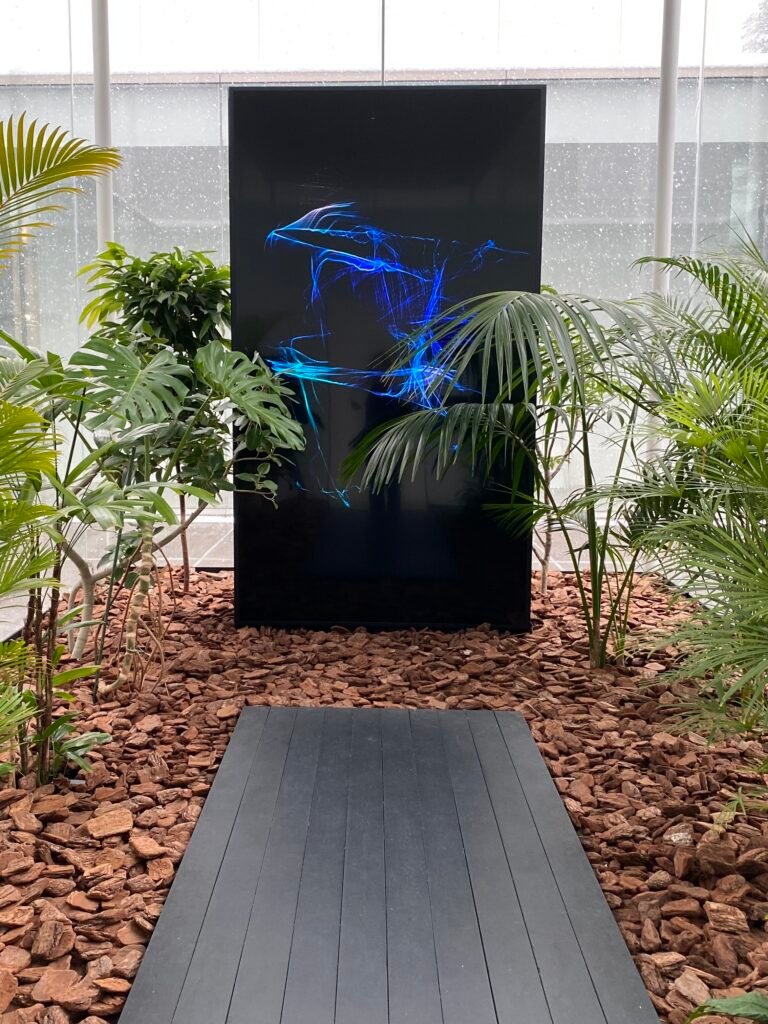
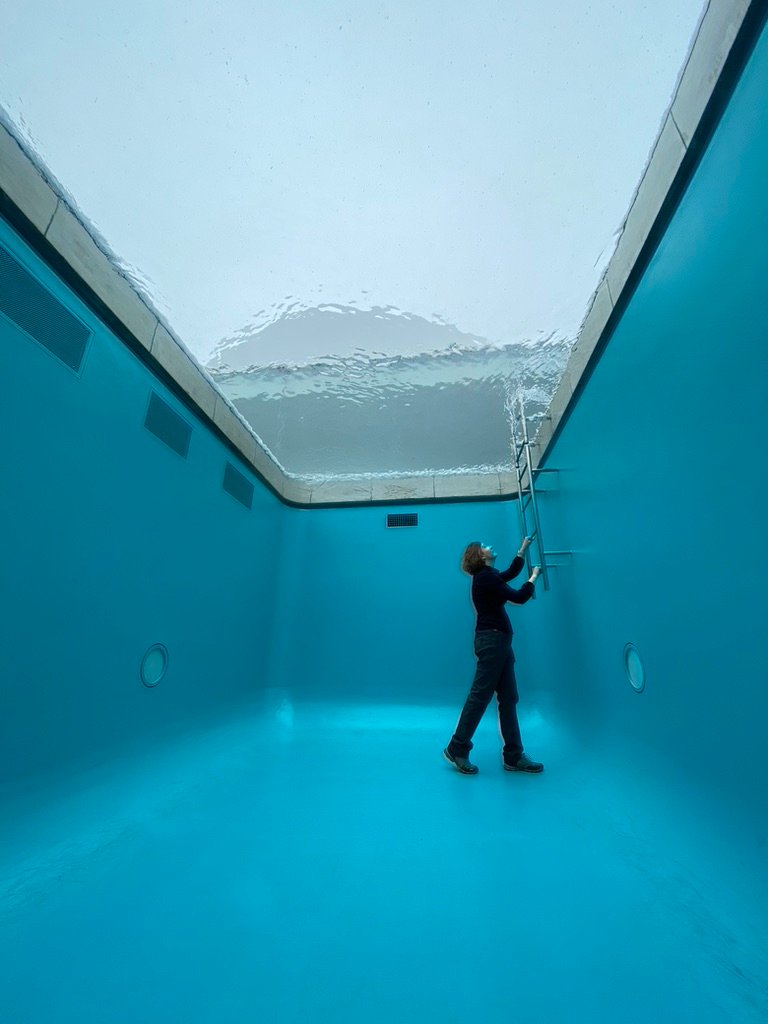
We arrived in the afternoon and headed straight to the 21st Century Museum of Contemporary Art. And wow – it was fabulous. From a delicate forest sculpture carved entirely from layers of paper, to digital art powered by sensors attached to living plants, to a swimming pool you could actually submerge yourself in (without getting wet!), it was a feast for the senses and the imagination.
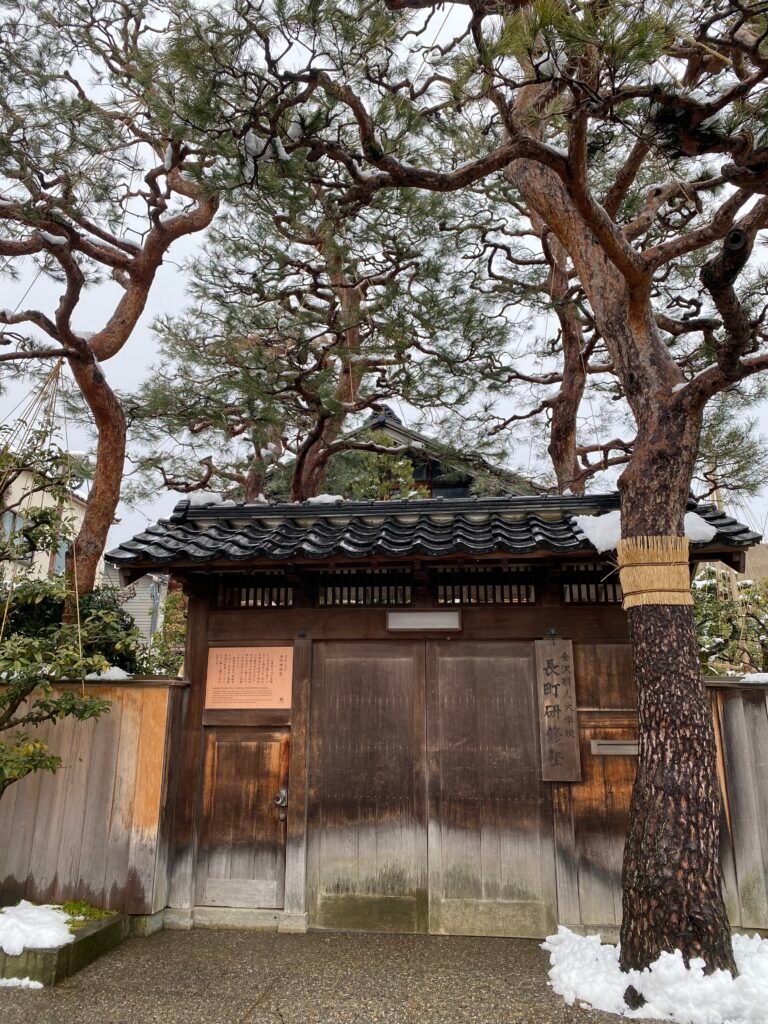
Afterwards, we wandered through the snowy streets, quickly learning to watch out for the little water jets that spray warm geothermal water across the pavements to keep them snow-free. Genius! Although… they did catch us out a few times. Wet ankles all round.
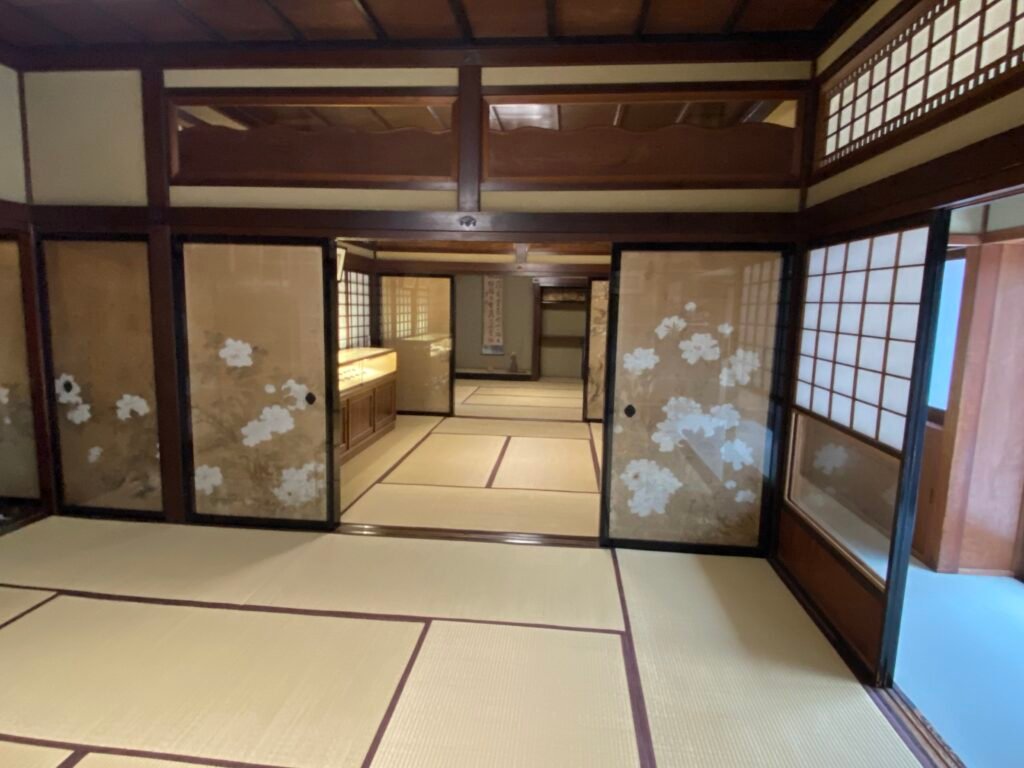
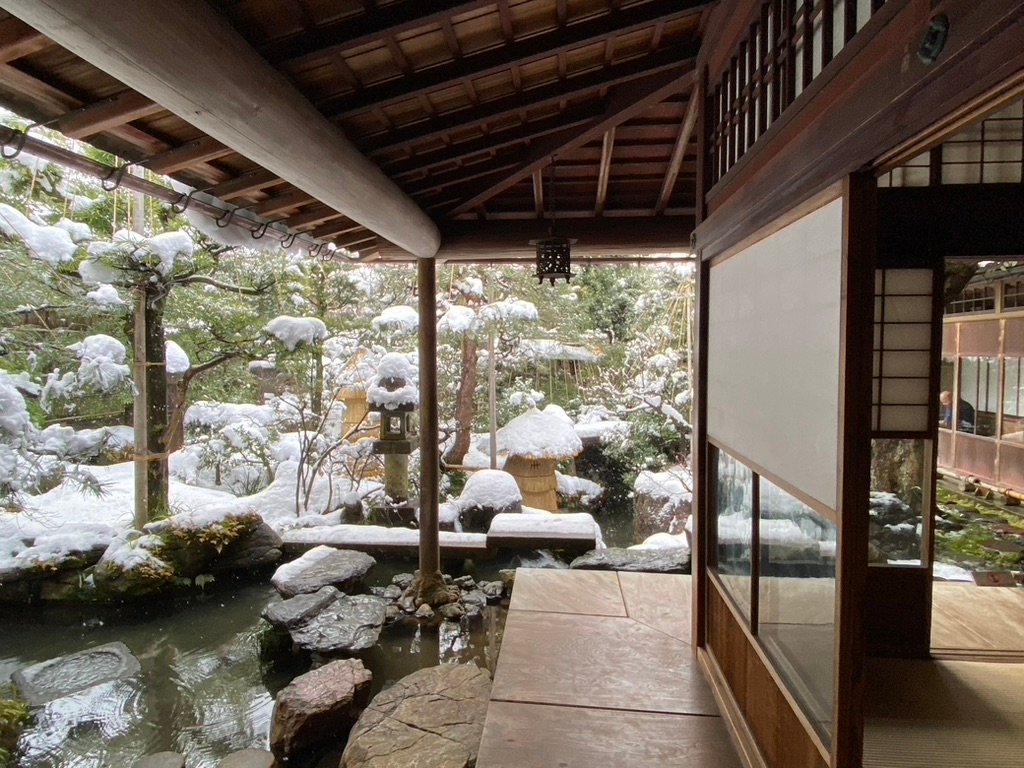
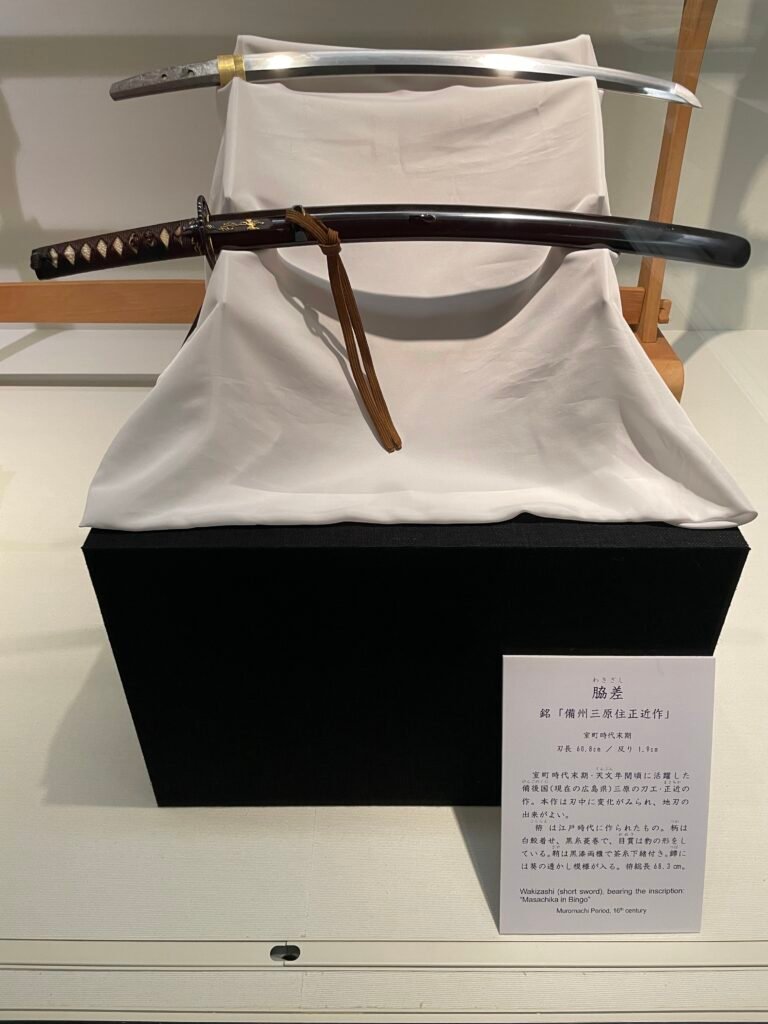
We visited the Nomura-ke Samurai residence – a beautifully preserved wooden home filled with Samurai treasures and the most serene little garden you could imagine.
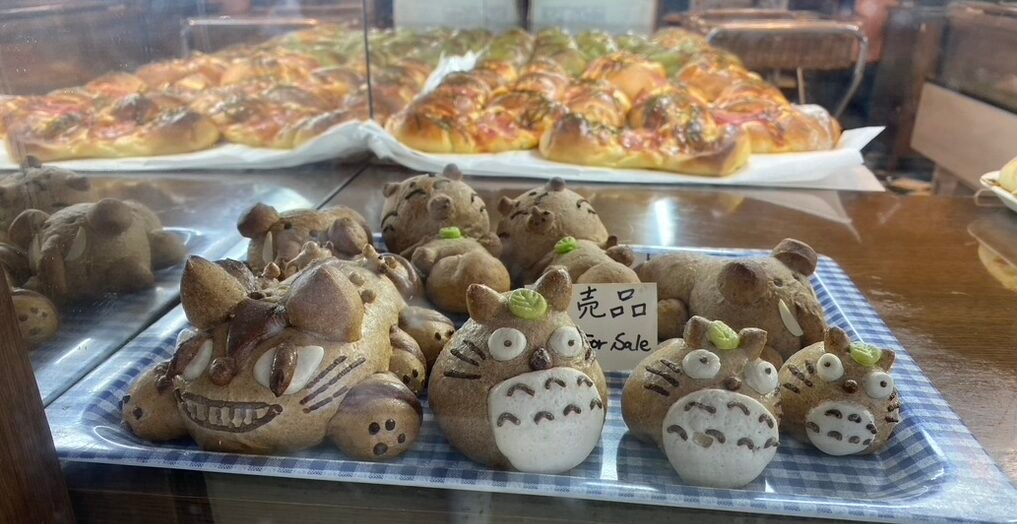
On the way back to the hotel, we stumbled across a bakery with the most incredible Studio Ghibli-themed treats. Sadly, they weren’t for sale, but our son did manage to have a bean paste-filled elephant pastry that almost made up for it.
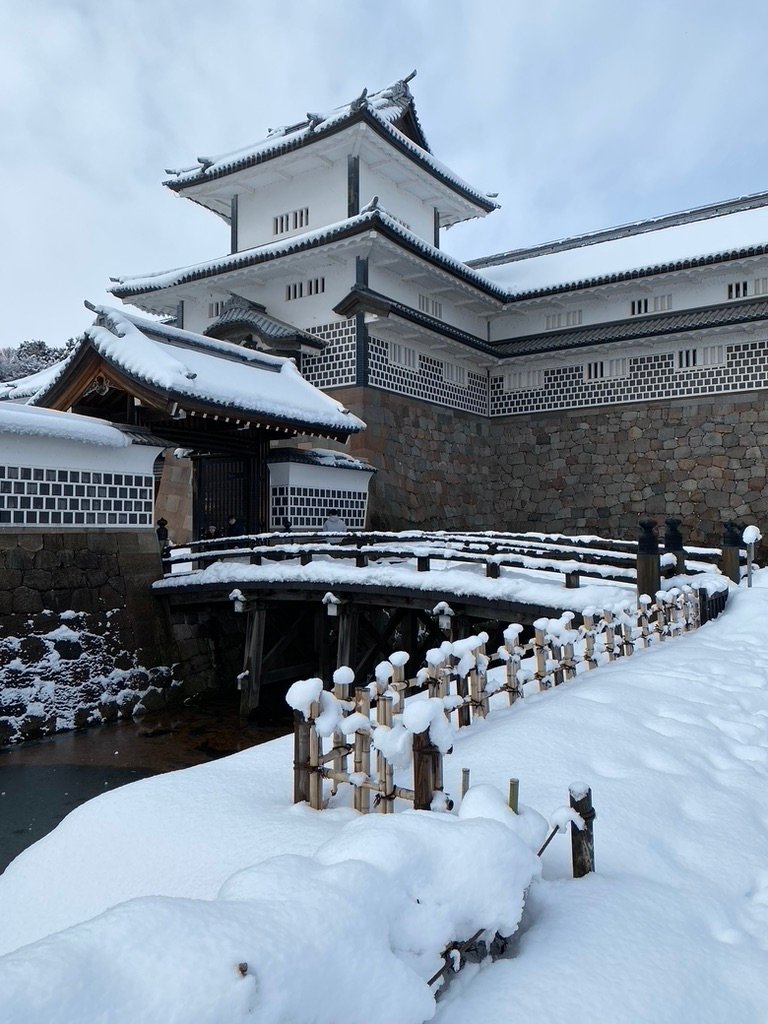
The next morning, we met our guide, Yasuhiro, who took us on a brilliant tour of the city. First stop: Kanazawa Castle, followed by the Kenroku-en Gardens.
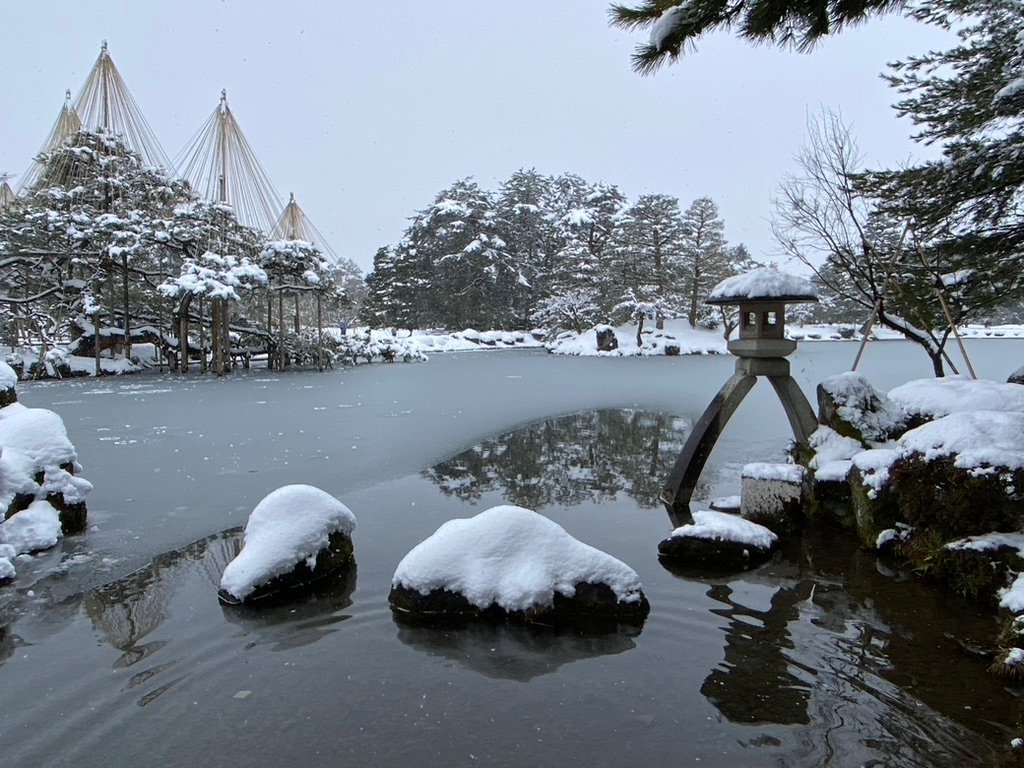
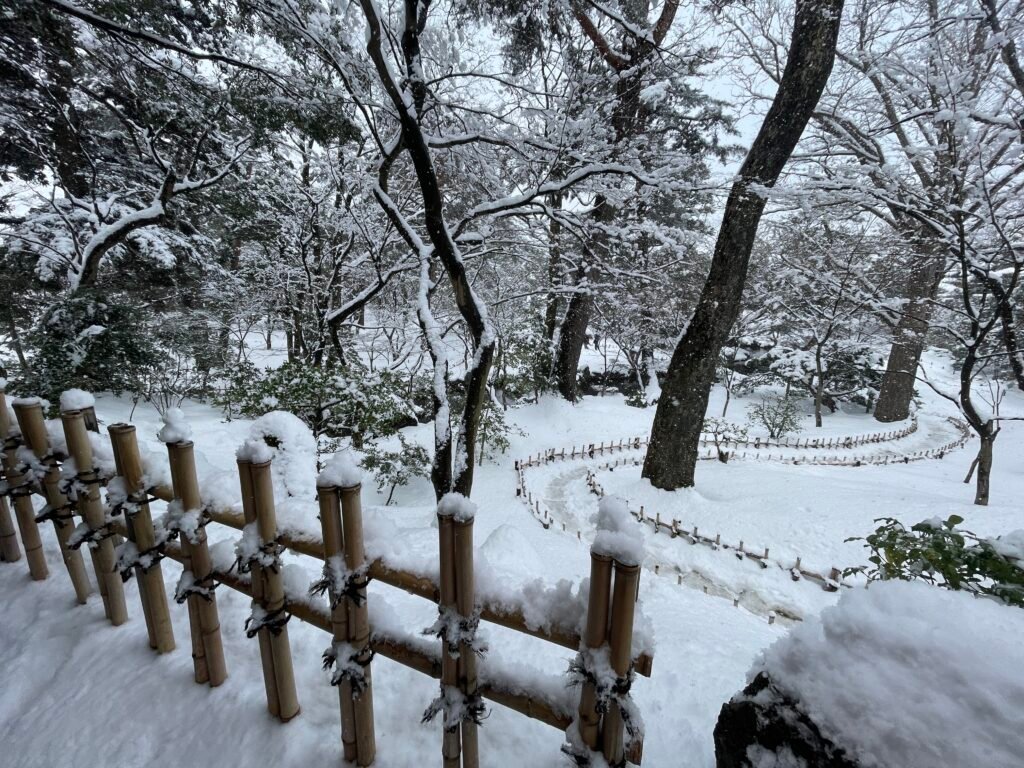
Now, we’re sure Kenroku-en Gardens are stunning in Spring and Summer, but seeing them blanketed in snow felt extra special. As we waited to cross the road, I suddenly felt a gush of snow slide down the back of my neck. Naturally, I assumed it was another snowball from our son – but nope! This time, he was innocent. It was snow falling from a tree branch!
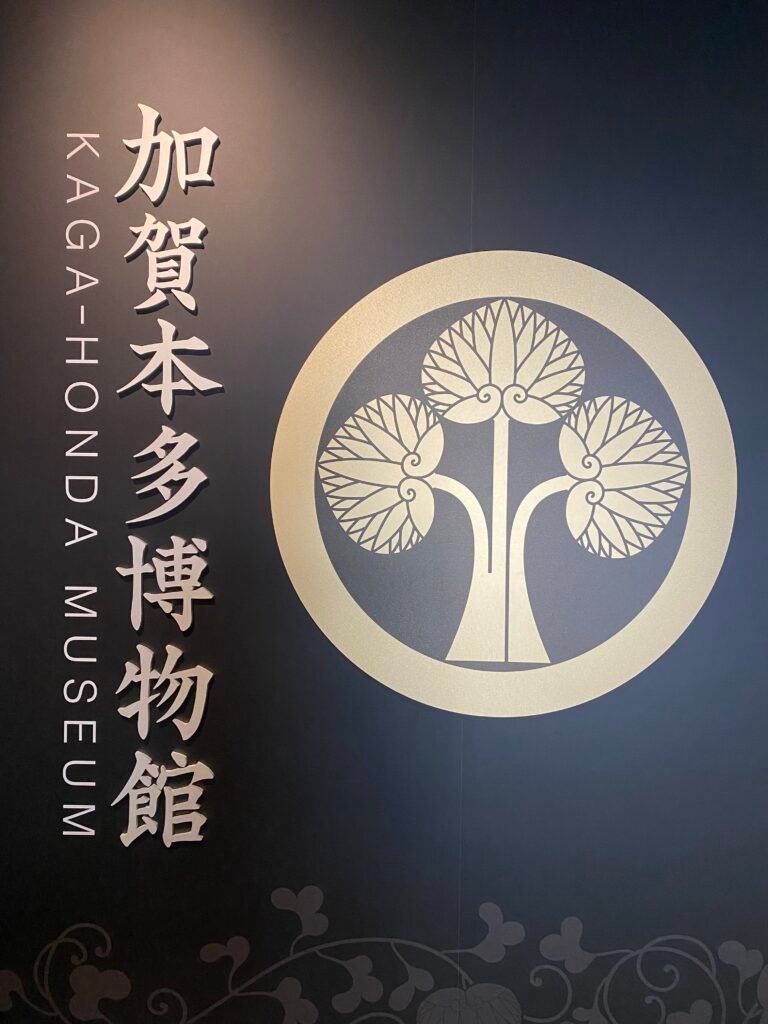
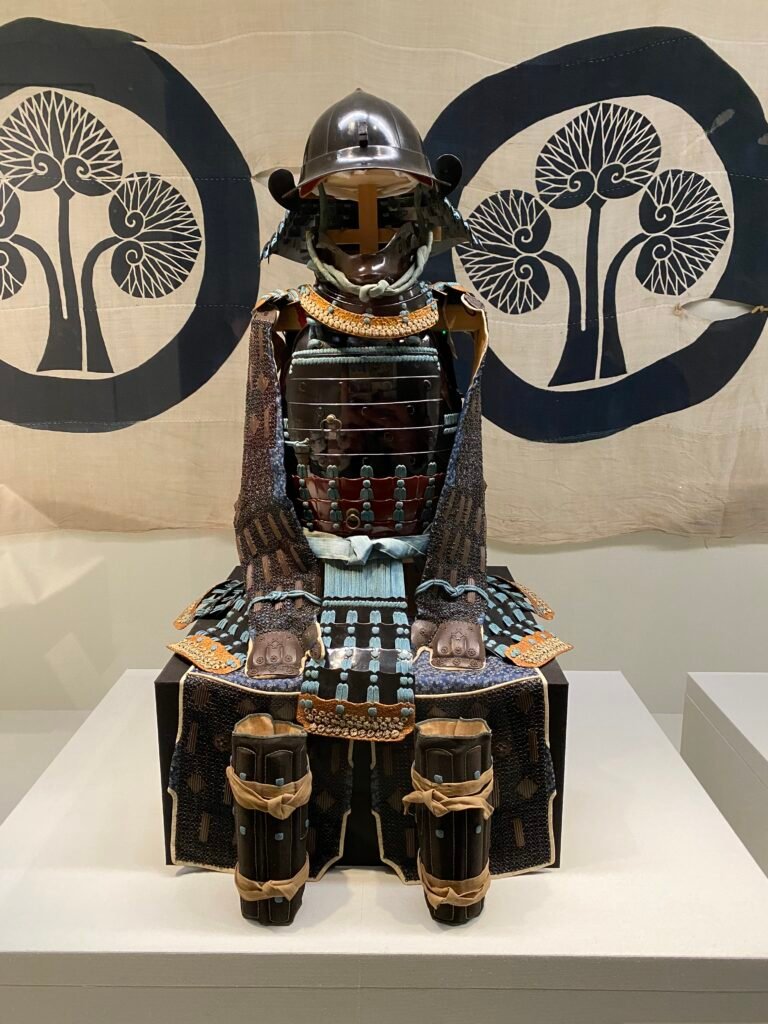
A brief stop at the Kaga-Honda Museum gave a fascinating insight into the lives of the Samauri.
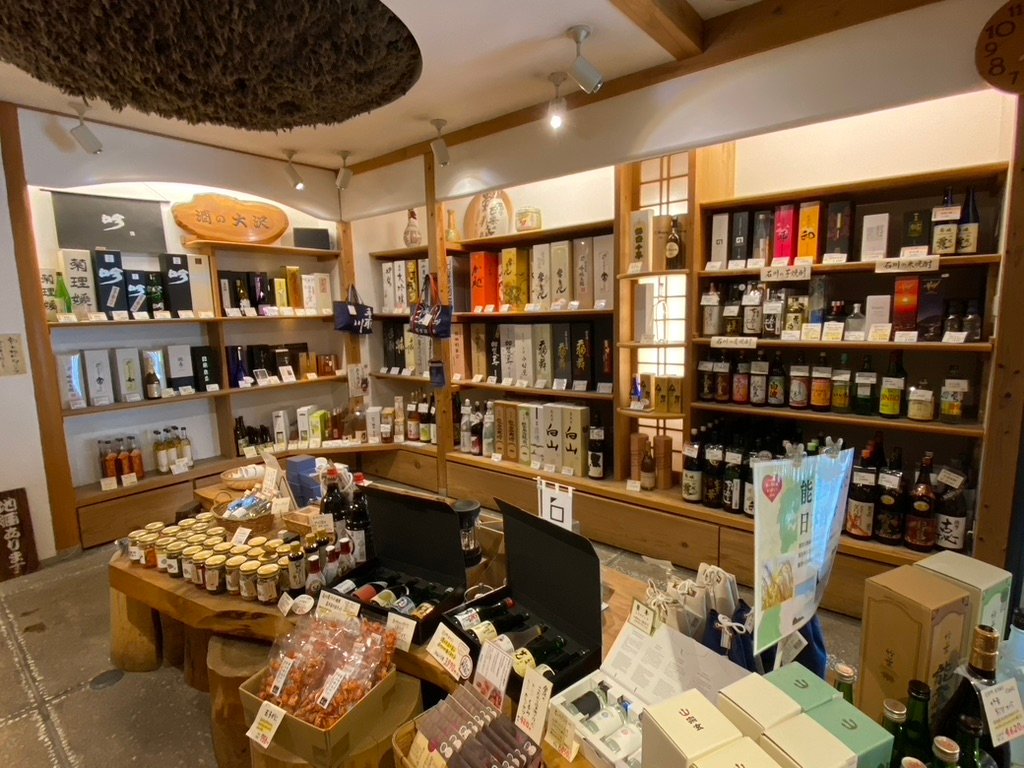
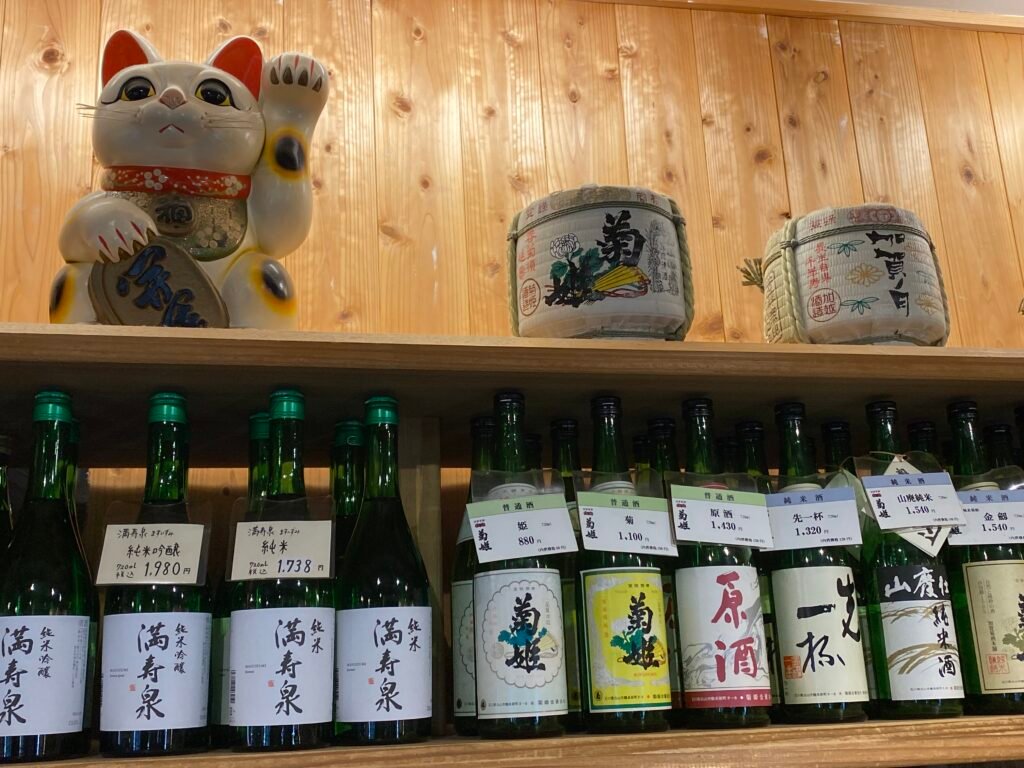
Next up was Omicho Market, where we picked up some lovely little souvenirs and my husband embraced the joy of sake tasting (and buying). We then headed upstairs to a restaurant with traditional tatami seating – shoes off, legs tucked in, and food arriving via a discreet little conveyor belt. Definitely not your average Yo Sushi experience!
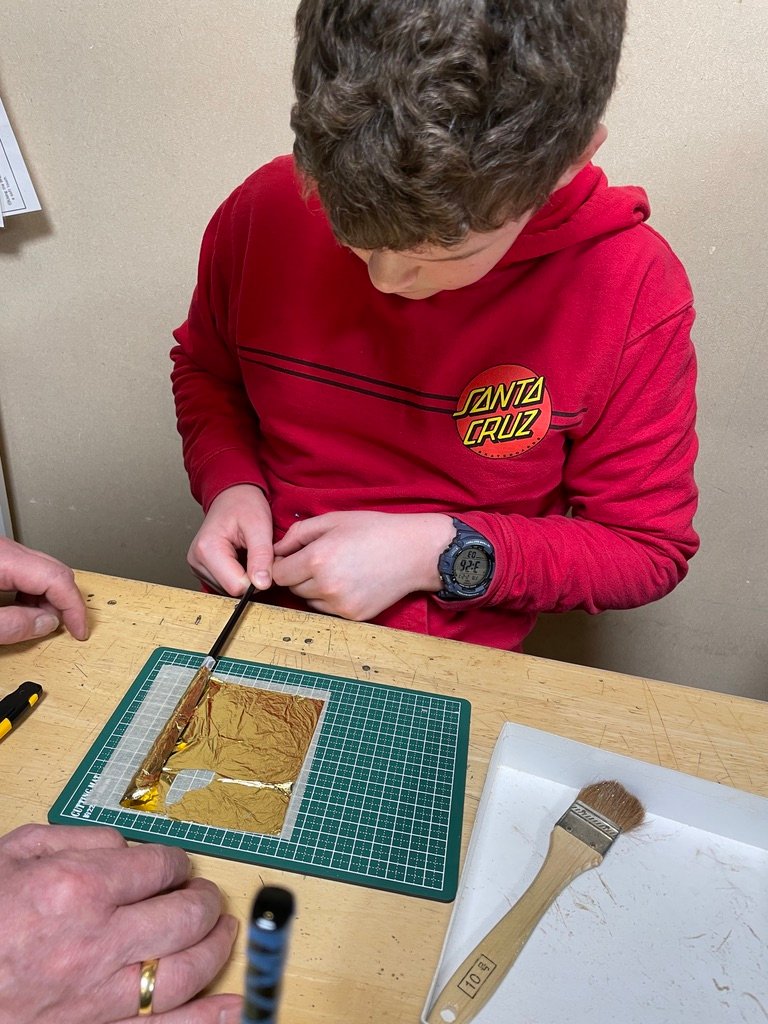
After lunch, we explored the Old Geisha and Samurai district with Yasuhiro, soaking up the history and charm before heading to a gold leaf chopstick workshop. We each made our own sparkly souvenirs, almost too precious to use at home.
At the hotel, we discovered and had enjoyed the guest samae – comfy lounge wear consisting of trousers and a jacket. On our last evening, we treated ourselves to our own sets from the hotel shop. Now, whenever we wear them at home, we’re instantly transported back to that peaceful, snowy city.
And just like that, it was time to move on. Next stop: Kyoto.
Kanazawa: Useful Links
Sai No Niwa Hotel – our favourite hotel of our trip
21st Century Museum of Contemporary Art
Kaga-Honda Museum – Samurai museum
Sakuda – gold leaf workshop for a unique souvenir
Kyoto : Matcha, Manga & a Secret Bamboo Forest
Next stop: Kyoto! We hopped on the Shinkansen and then transferred to the Thunderbird train—which, we must say, felt delightfully retro. Not unlike the TV series – in the best possible way.
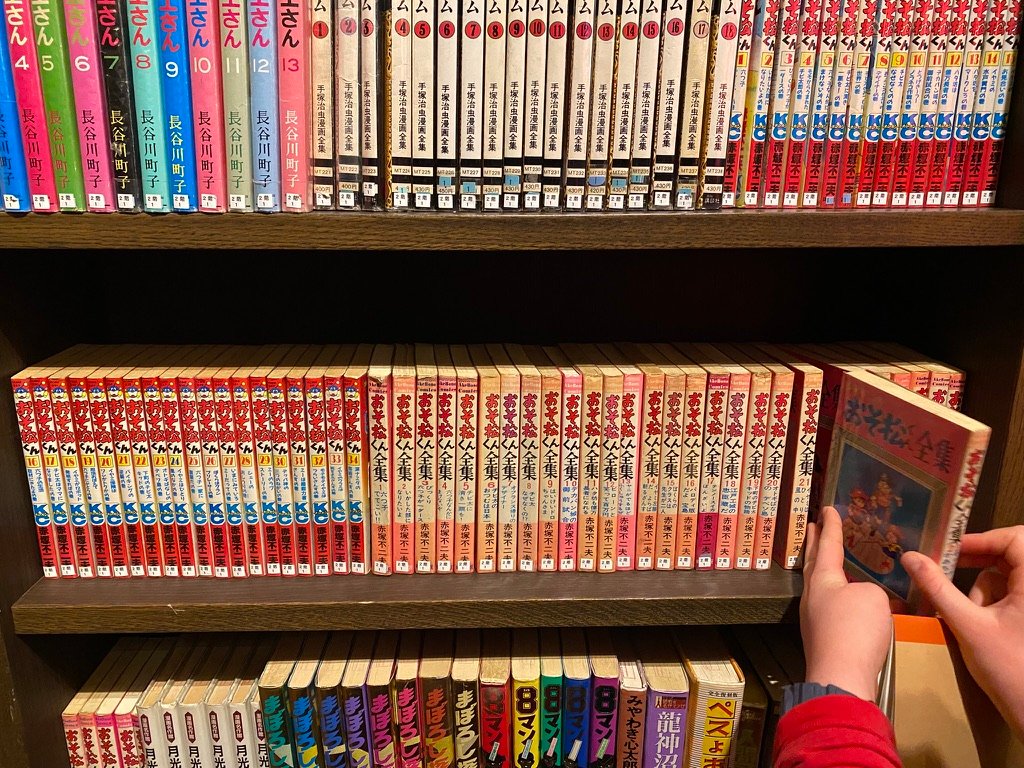
Our hotel, Granvia Kyoto, was brilliantly located—literally above the station. Super convenient, so we dropped our bags and headed straight out to the Manga Museum. Our mission? Find the Fujio Akatsuka section. When we asked the staff, they responded with reverence: “Ahhh… THE master.” We found it, snapped some photos, and sent them off to my brother for his work colleague’s wife—who just so happens to be Akatsuka’s daughter. A lovely little connection across continents.
On our way to a tea ceremony, we stumbled across an ink stamp shop. Our son got a stamp made with his name in Japanese—a brilliant keepsake and, let’s be honest, far easier than signing your name every time!
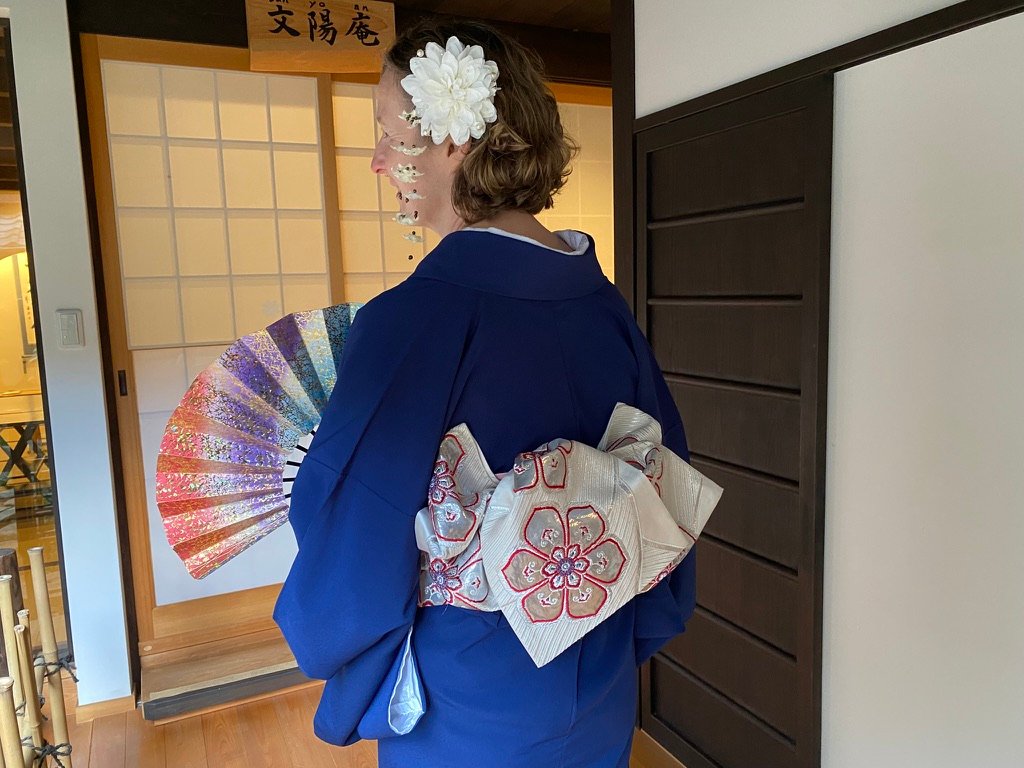
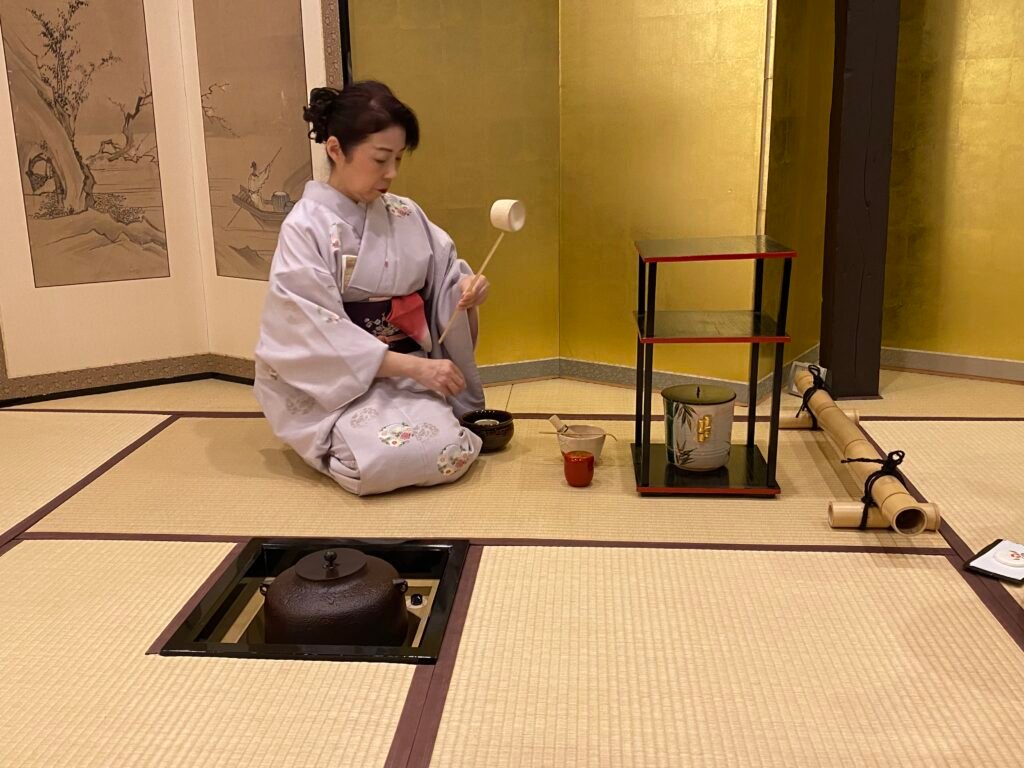
The tea ceremony was something else. We were dressed up – my husband and son as samurai, and me as a geisha – and guided through the ritual of making the perfect cup of matcha. It felt almost sacred. The tea was paired with delicately painted senbei rice crackers, and we finished the experience with a bit of origami, folding cranes like the ones we’d been gifted throughout our travels by kind hotel staff, waiters, and even taxi drivers.
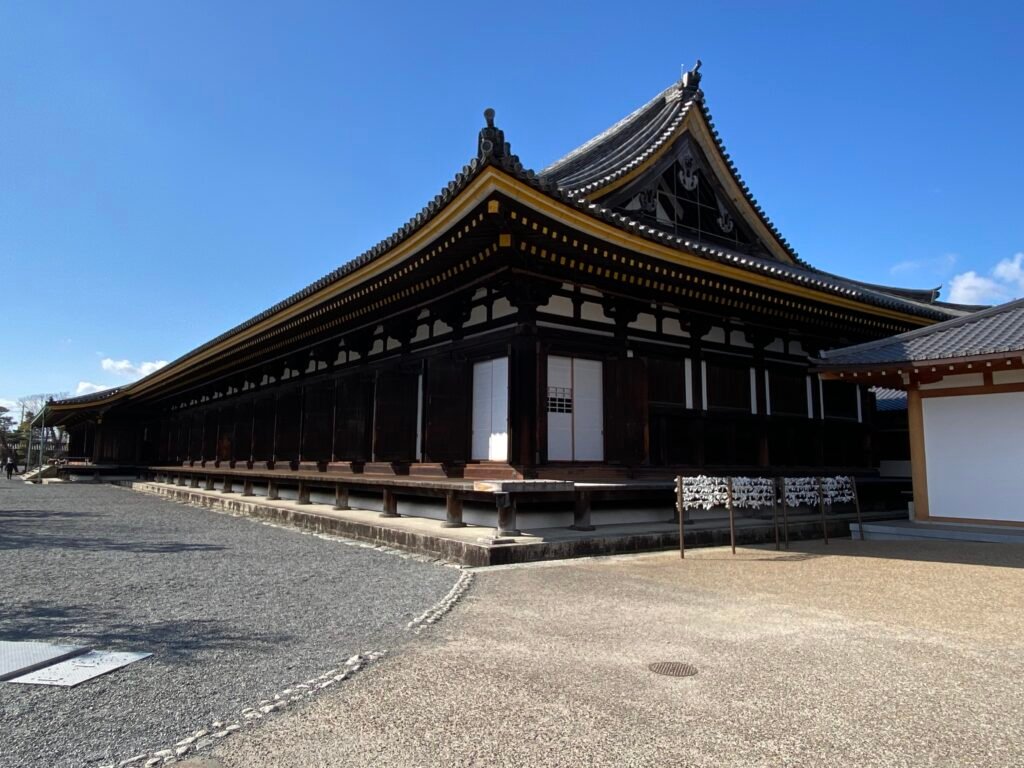
The next day, we met our guide Yoriko, who took us to Sanjusangendo Temple. Inside the main hall was one of the most awe-inspiring sights of our trip—row upon row of human-sized gold leaf statues of Kannon, the goddess of compassion. Each one had 42 arms, forming what’s known as the thousand-armed army. Each statue was slightly different, and the effect was utterly mesmerising, but sadly no photos allowed.
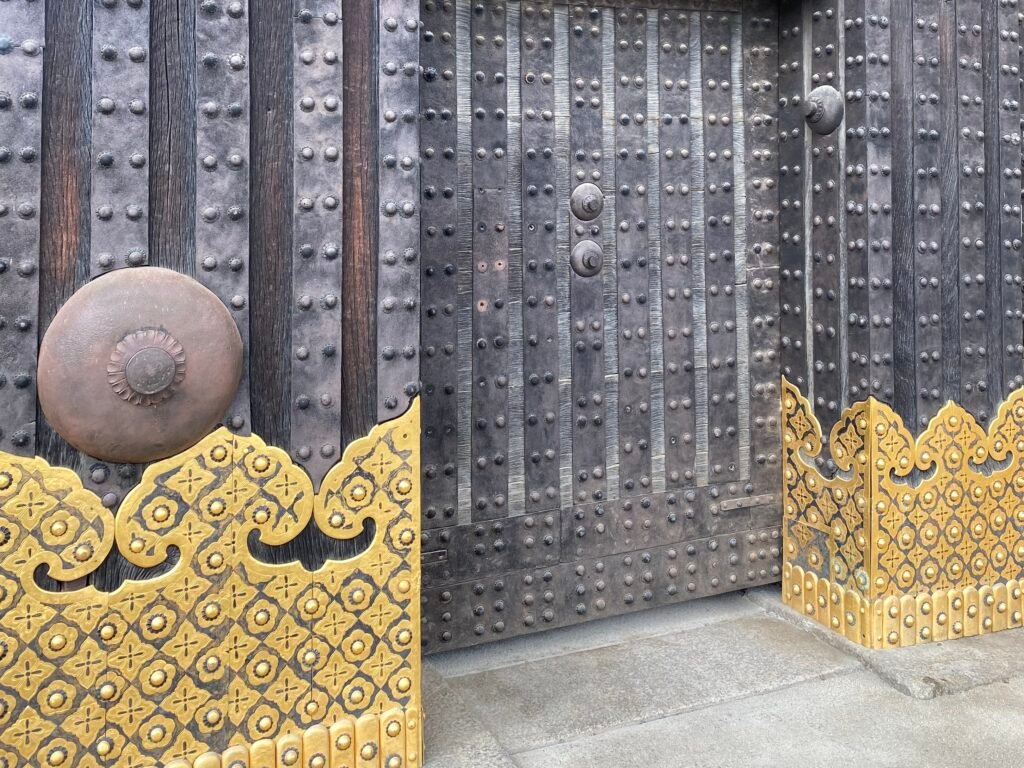
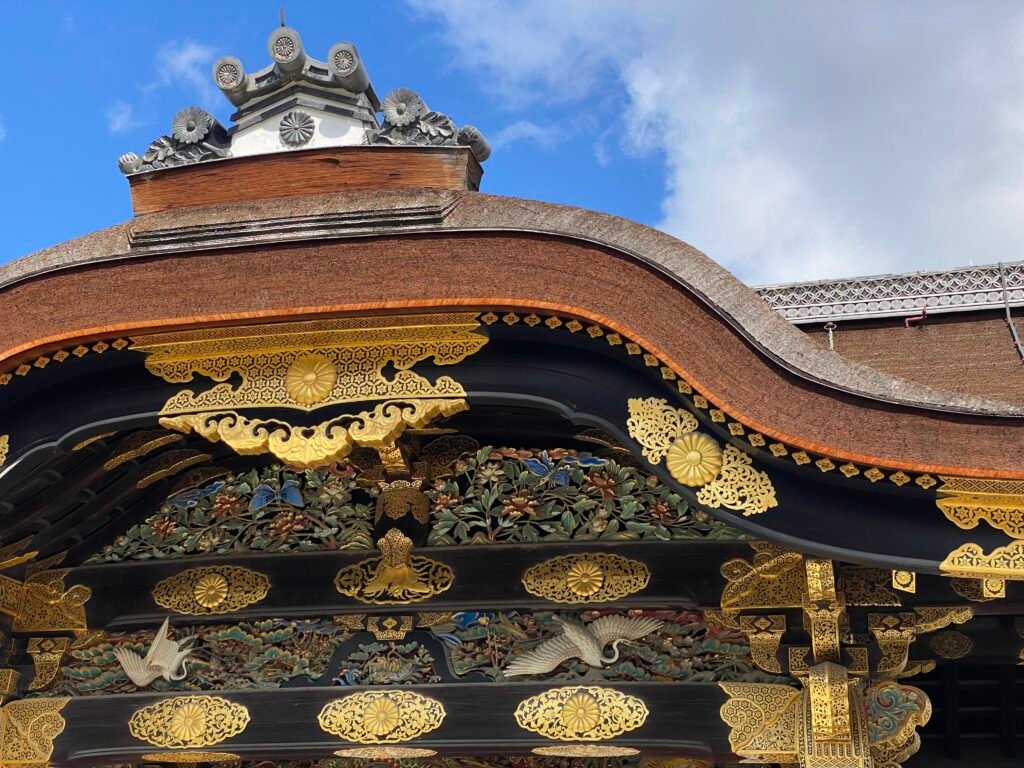
Next up was Nijo-jo Castle, where the entrance gates were a sea of ornate carvings—flowers, cranes, dragons, tigers—all highlighted with shimmering gold leaf.
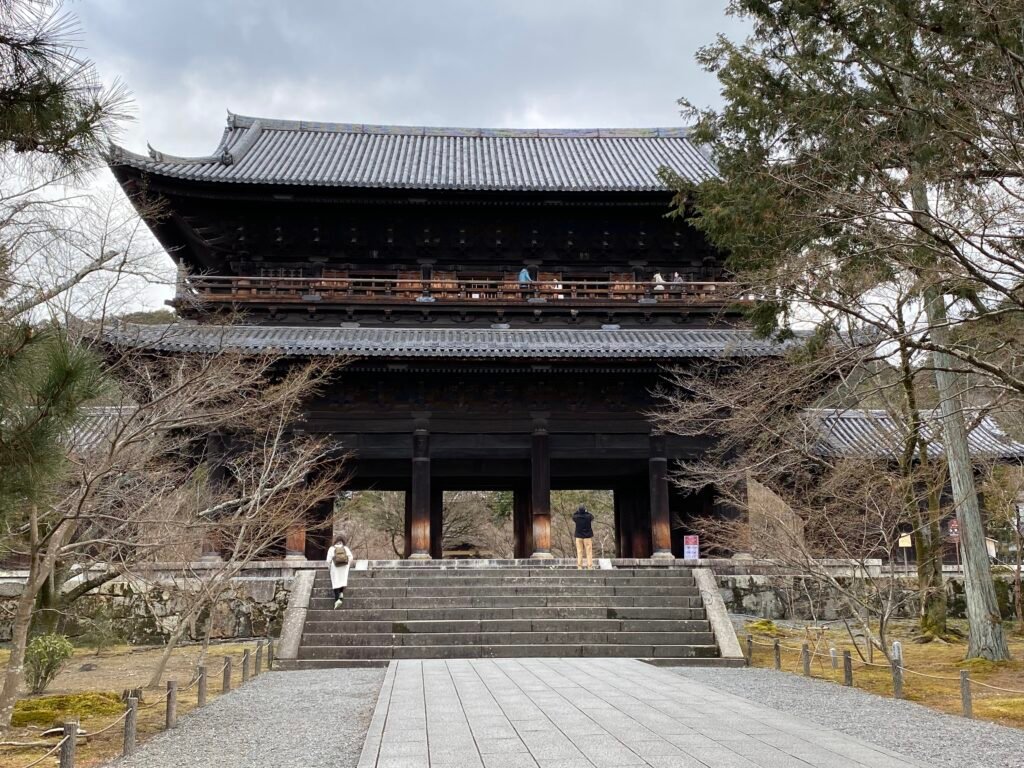
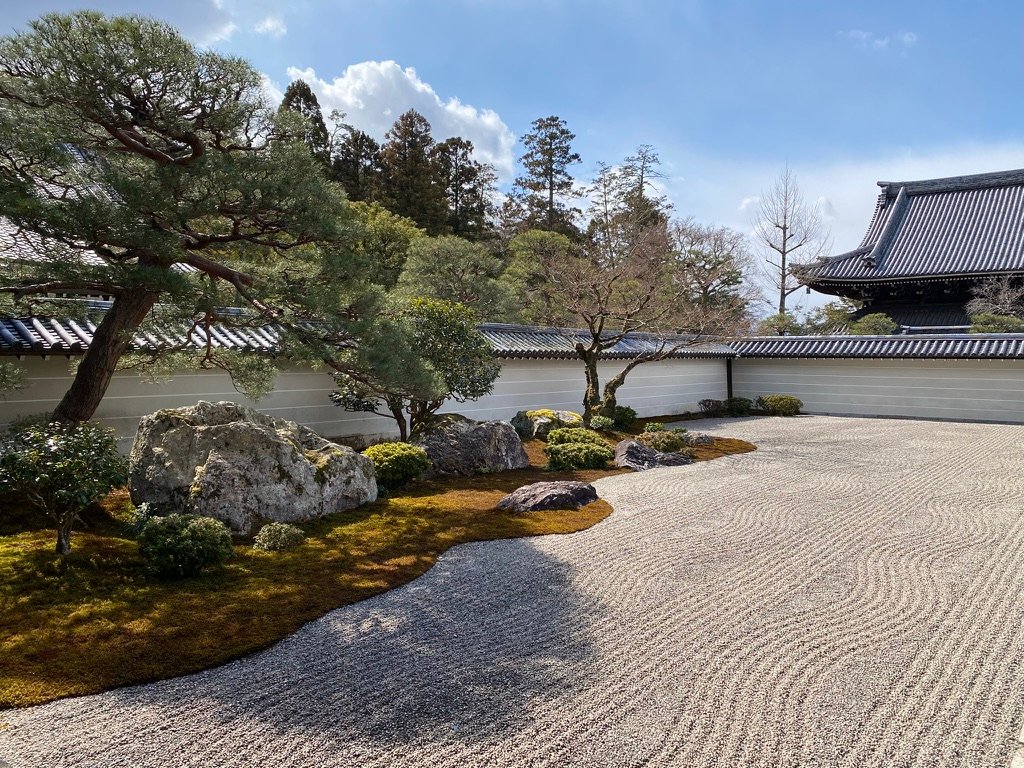
At Nanzenji Zen Temple, our son lit an incense stick, part of the Buddhist tradition of setting an intention. We’re not sure what his was… probably more Pokémon. We also saw a full-scale Zen rock garden—just like the little kits you see in shops back home, but on a grand, peaceful scale.
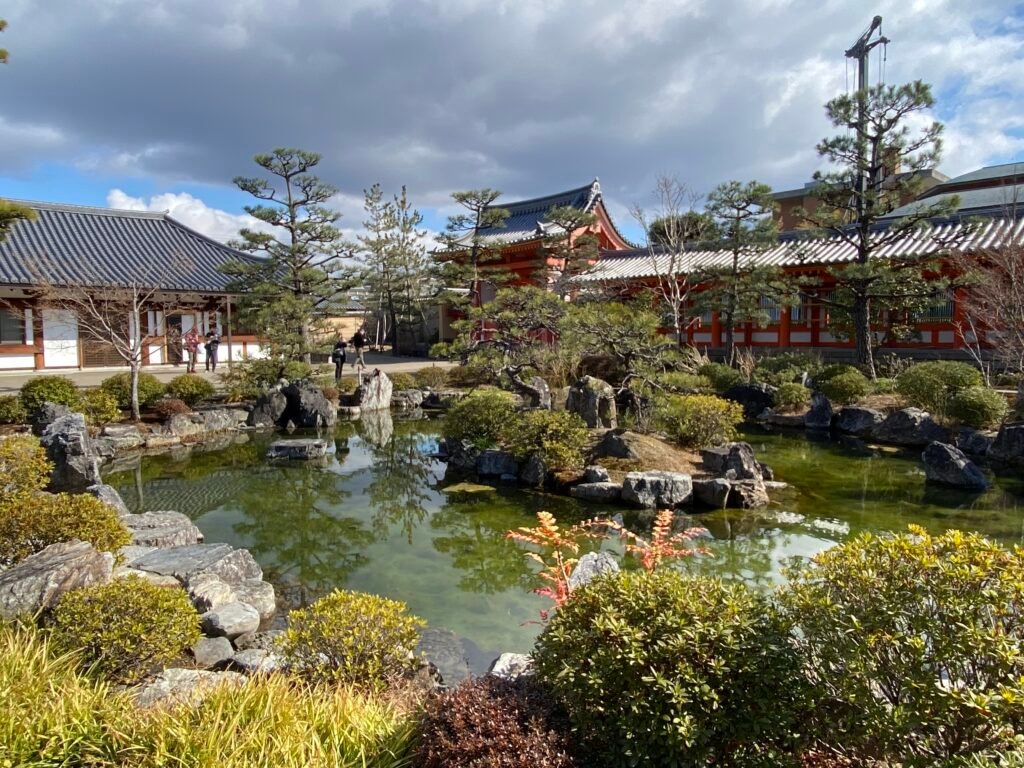
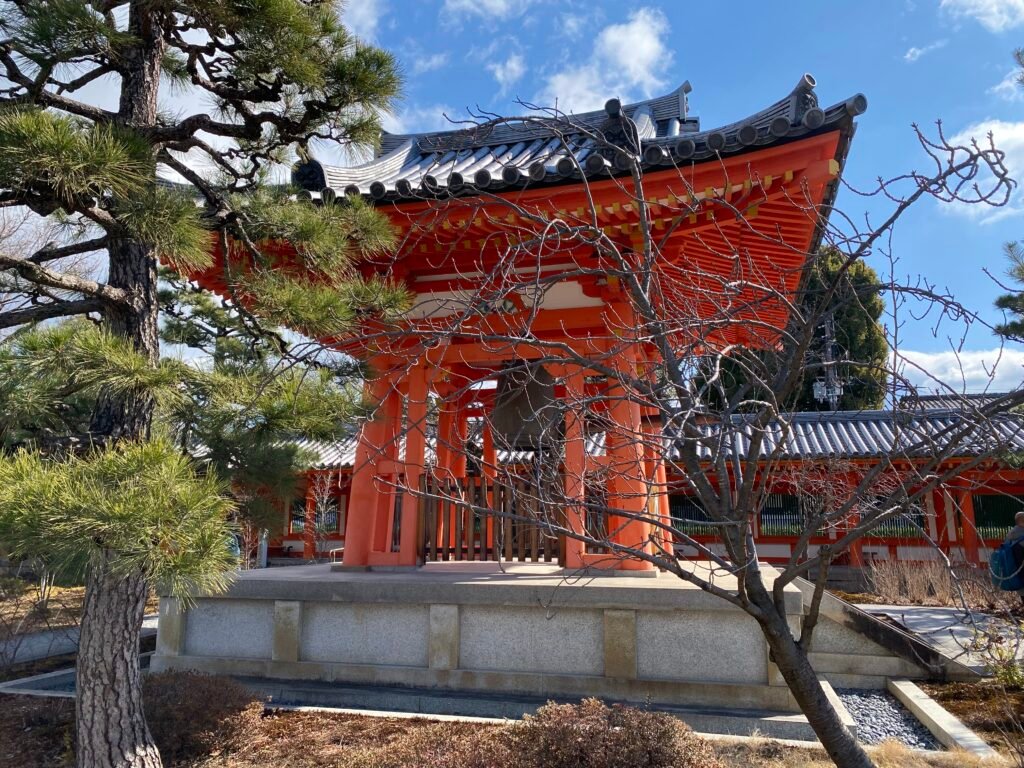
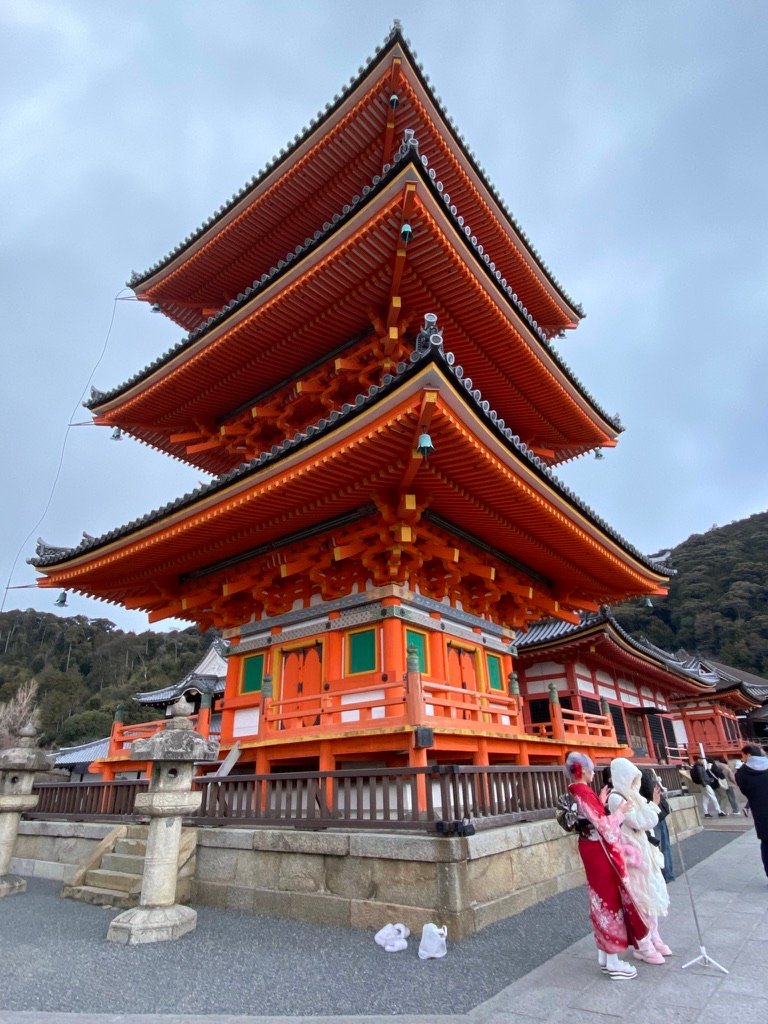
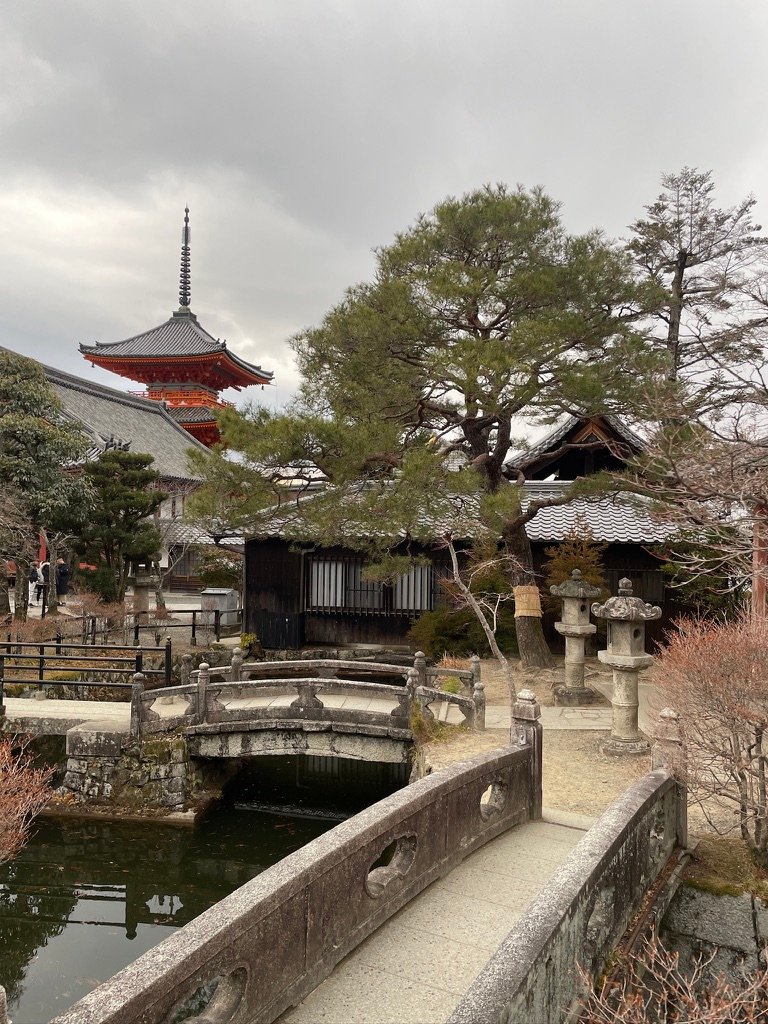
We parted ways with Yoriko and headed to Kiyomizu-dera Temple, perched high on a hill overlooking Kyoto. The red-painted temples were stunning, and the place was buzzing with Instagrammers dressed as geisha, striking their best poses. From up there, we spotted rain clouds rolling in—our first and only rain of the trip (snow doesn’t count!).
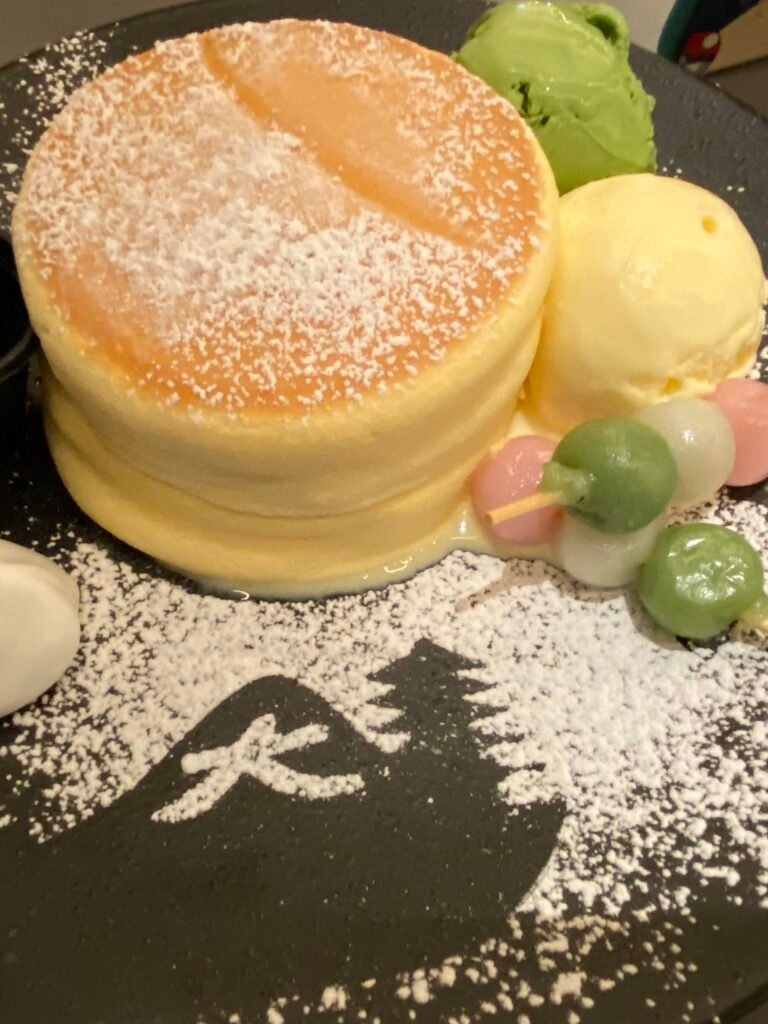
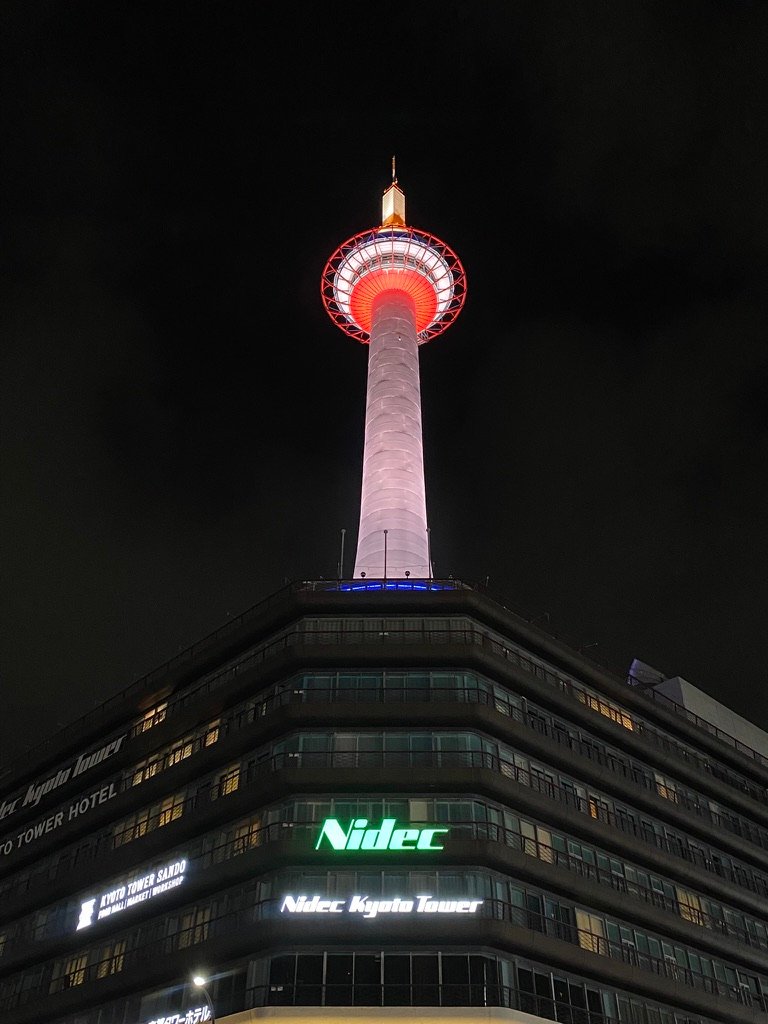
That evening, we tucked into Japanese pancakes in the basement of Kyoto Tower. Japanese pancakes are like fluffy clouds—nothing like any pancakes we’ve had before. If you’re in Japan, you have to try them. And yes, we did compare pancakes across cities. It’s a thing now. After dinner, we ascended Kyoto Tower and were treated to a glittering night view of the city. There was a bit of a queue for the lift down, but we spotted a door with a staircase sign and thought—why not? Down we went, twisting and turning all the way, burning off those pancakes one step at a time.
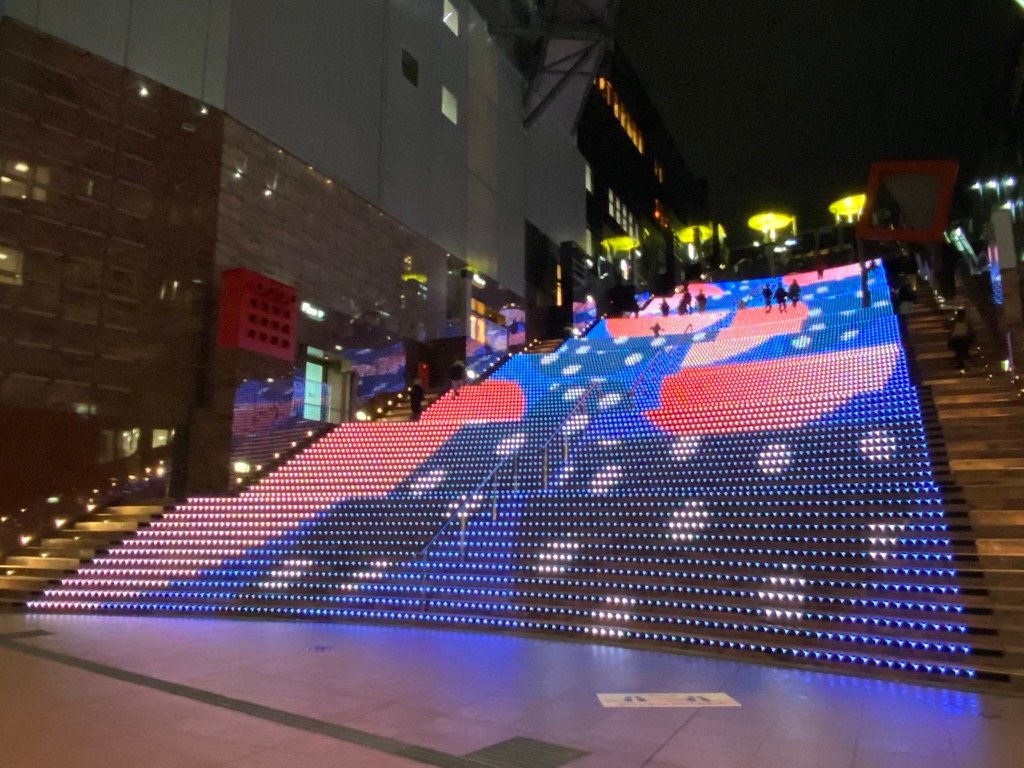
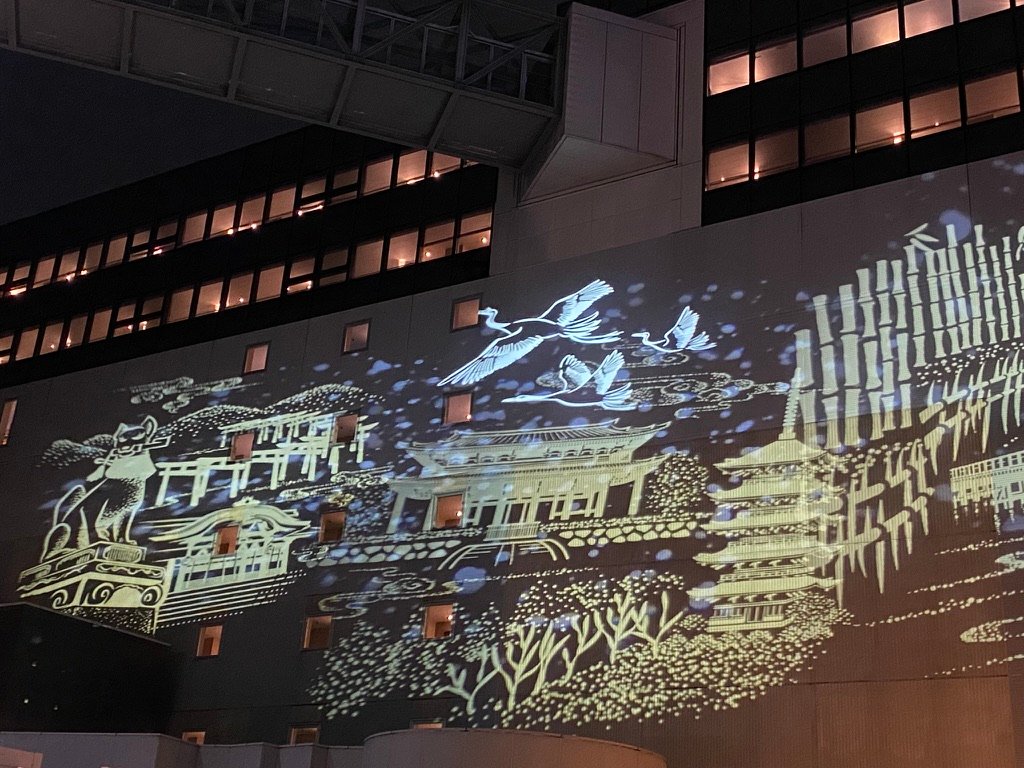
Back at the hotel, we explored the Daikaidan staircase—a mesmerising light show of LED lights and projected seasonal scenes. We wandered through the rafters of the train station and descended an escalator to be greeted by another stunning projection show on the hotel walls.
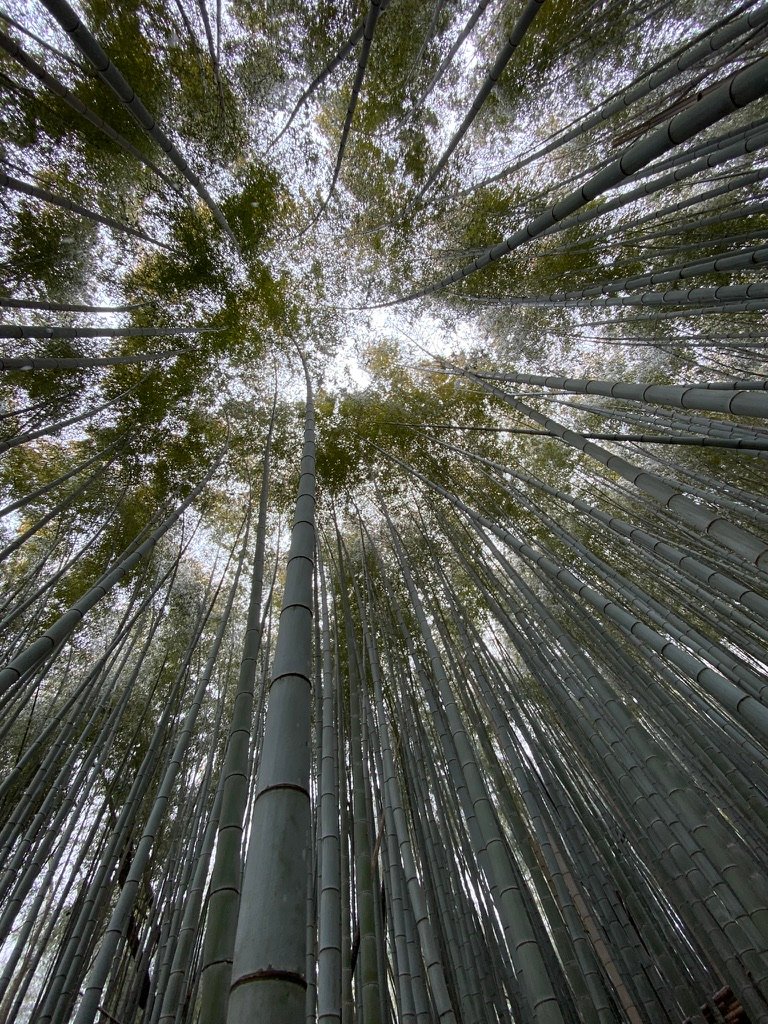
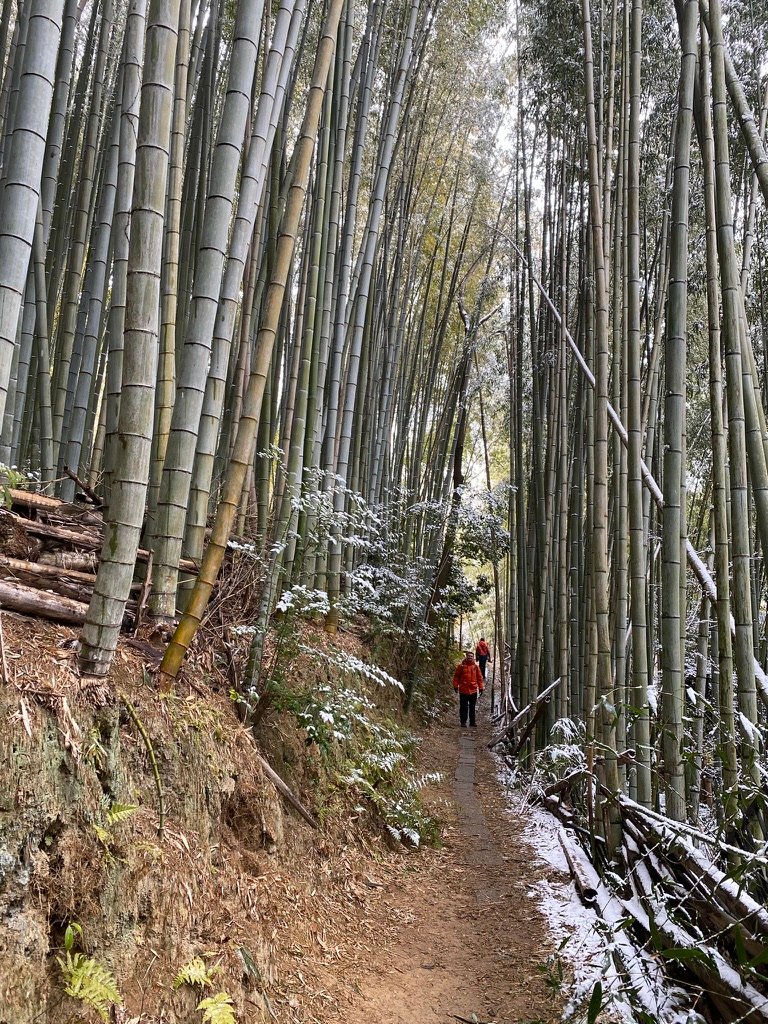
We’d planned to visit the famous Arashiyama Bamboo Forest, but with a bank holiday looming, our guide had warned us it would be packed. So, over a Japanese G&T in the hotel bar, I went on a mission to find a quieter alternative. A bit of web sleuthing and a YouTube video later, we had a new plan: the secret bamboo forest at Fushimi Inari Taisha Shrine.
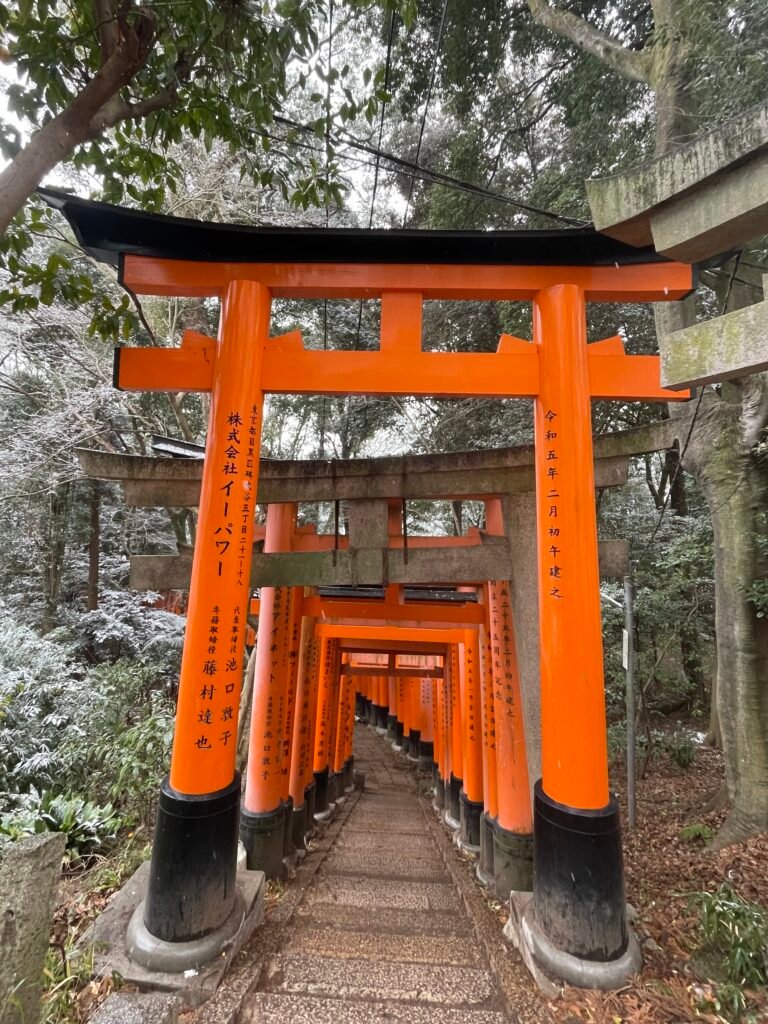
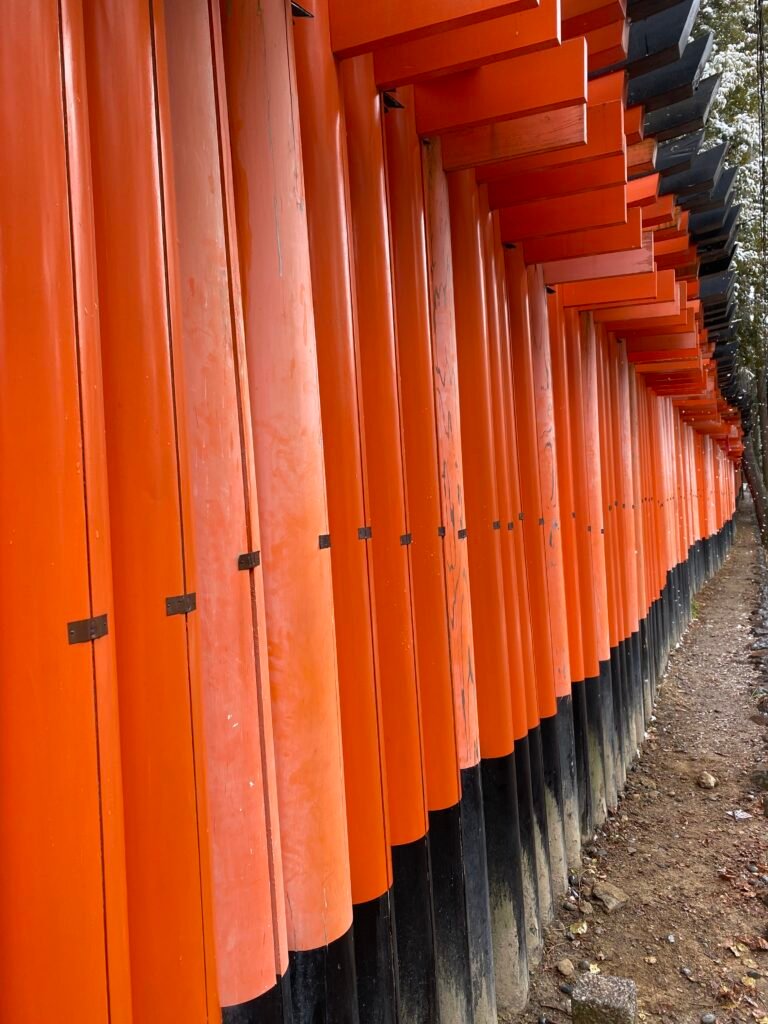
We set off early the next morning. The shrine was busy at first, but as we climbed through the thousands of red Torii gates, the crowds thinned and we found ourselves alone on the path. We didn’t make it all the way to the top—our son had had enough—but he now says that’s his biggest regret of the whole trip. On the way down, we found a little shop selling miniature Torii gates and bought one with all our names painted on. It now lives proudly in our son’s bedroom.
After lunch in a cosy café, we followed our YouTube guide through winding paths and past a sake shrine until – ta-da! – we found the secret bamboo forest. It was magical. Towering bamboo stalks surrounded us, and not another soul in sight. Just the three of us, soaking in the serenity, in awe and wonder.
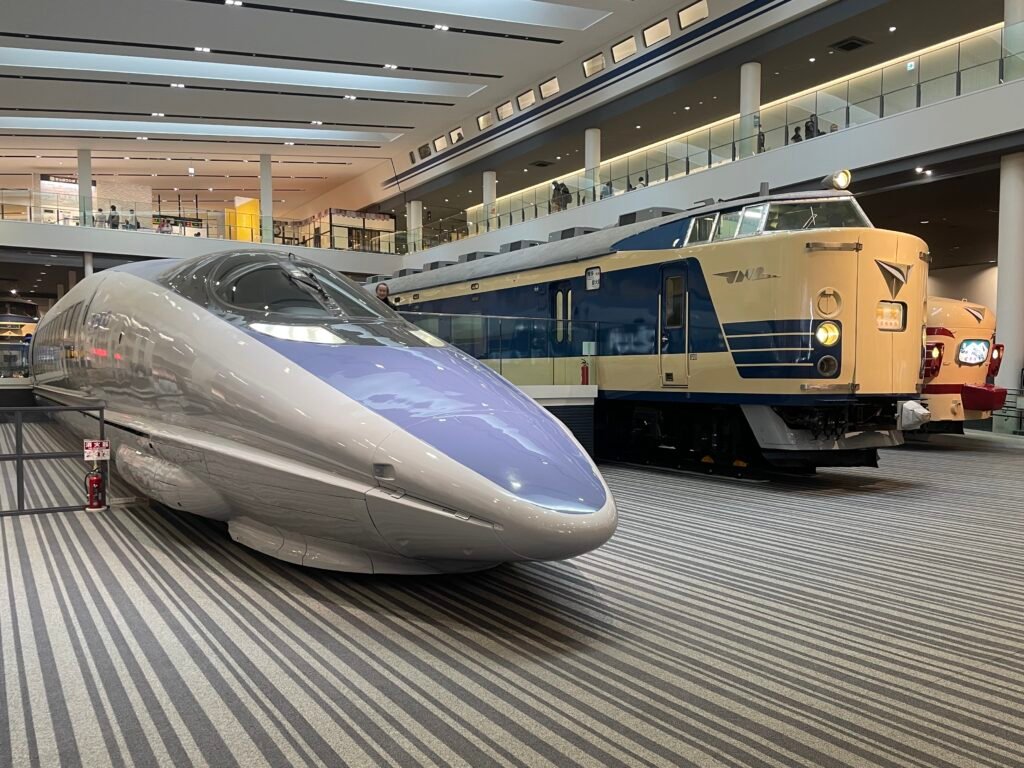
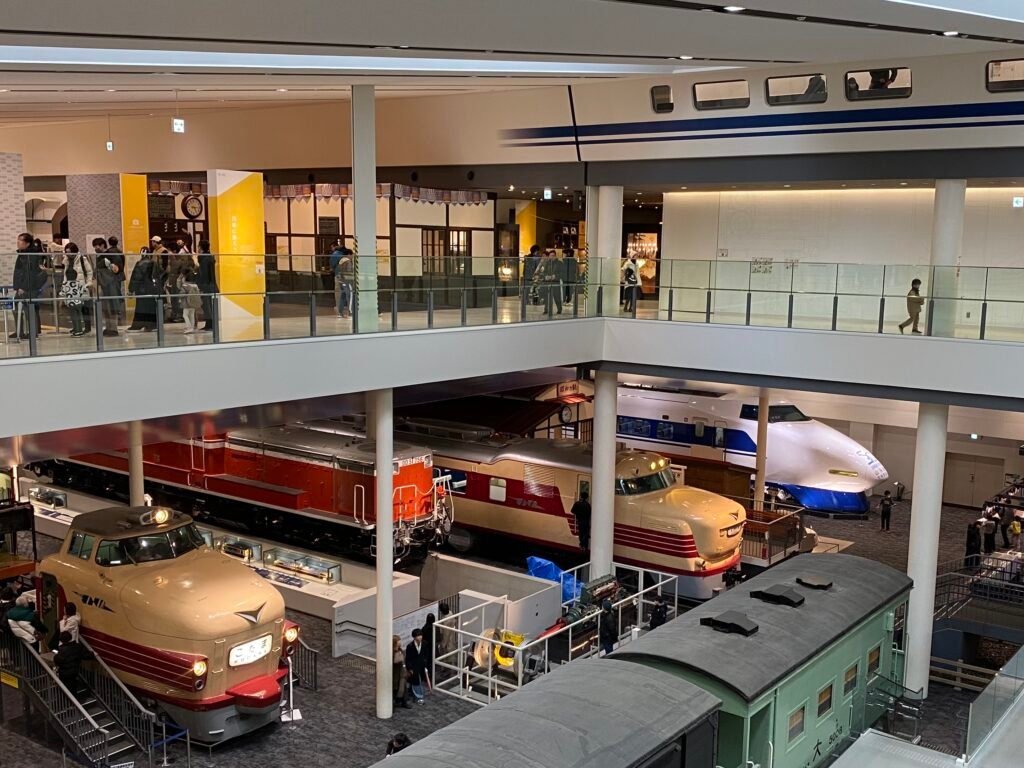
And then, for something completely different… the Kyoto Railway Museum. From epic retro locomotives that looked straight out of a Hollywood animation to sleek futuristic trains that had already been retired, it was a train lover’s paradise. Our son was in heaven.
Just as we were starting to feel settled, it was time to move on. Next stop: Hiroshima.
Kyoto: Useful Links
Hiroshima : Reflection, Resilience & Okonomiyaki
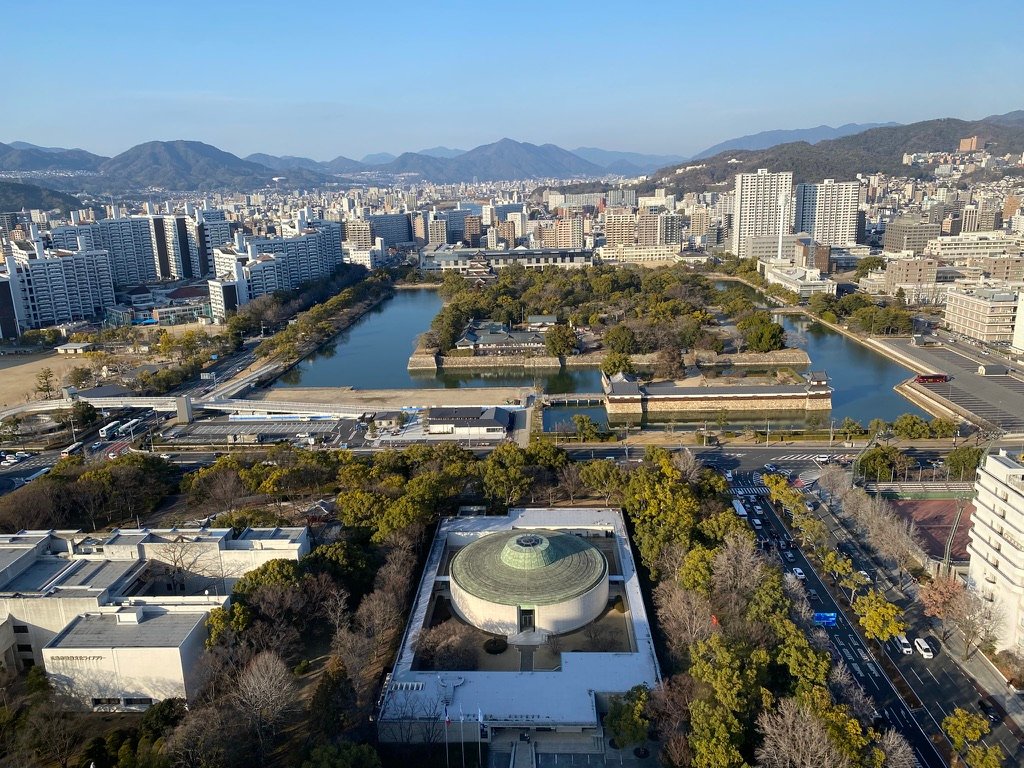
We arrived in Hiroshima by Shinkansen and checked into the Rihga Royal Hotel—where we were treated to the most incredible view from our room. And there in the centre of our window stood Hiroshima Castle, framed by trees, skyline and distant mountains. It was, without doubt, the best hotel view of our entire trip. We’d find ourselves just standing there, gazing out in quiet awe, soaking it all in.
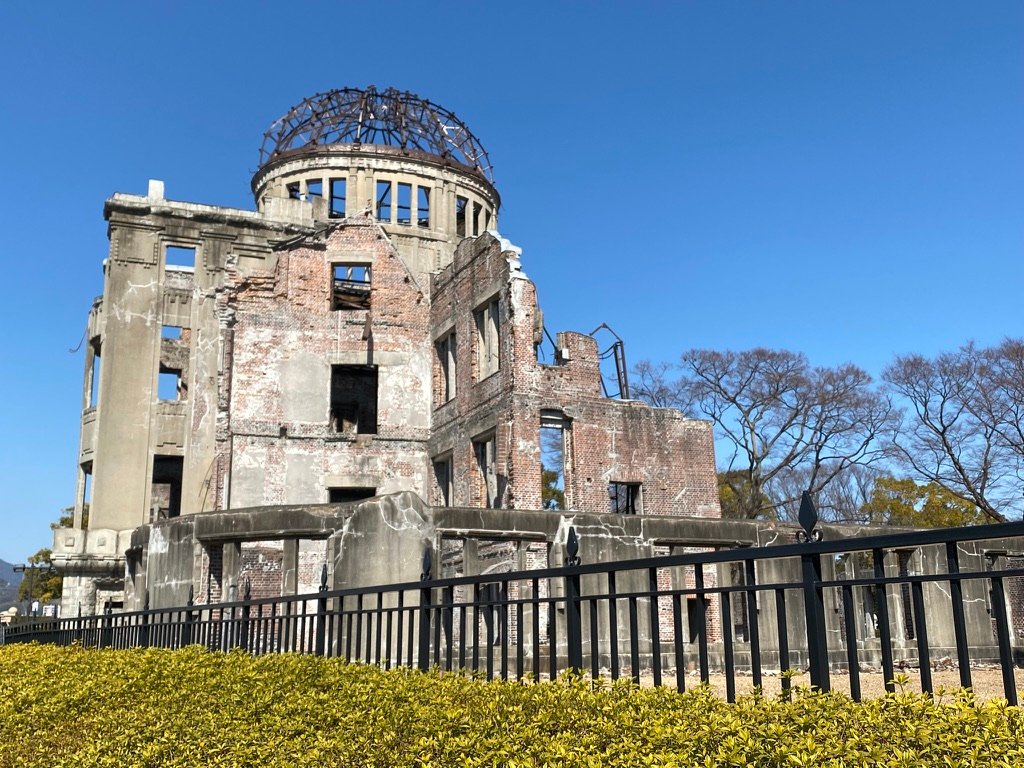
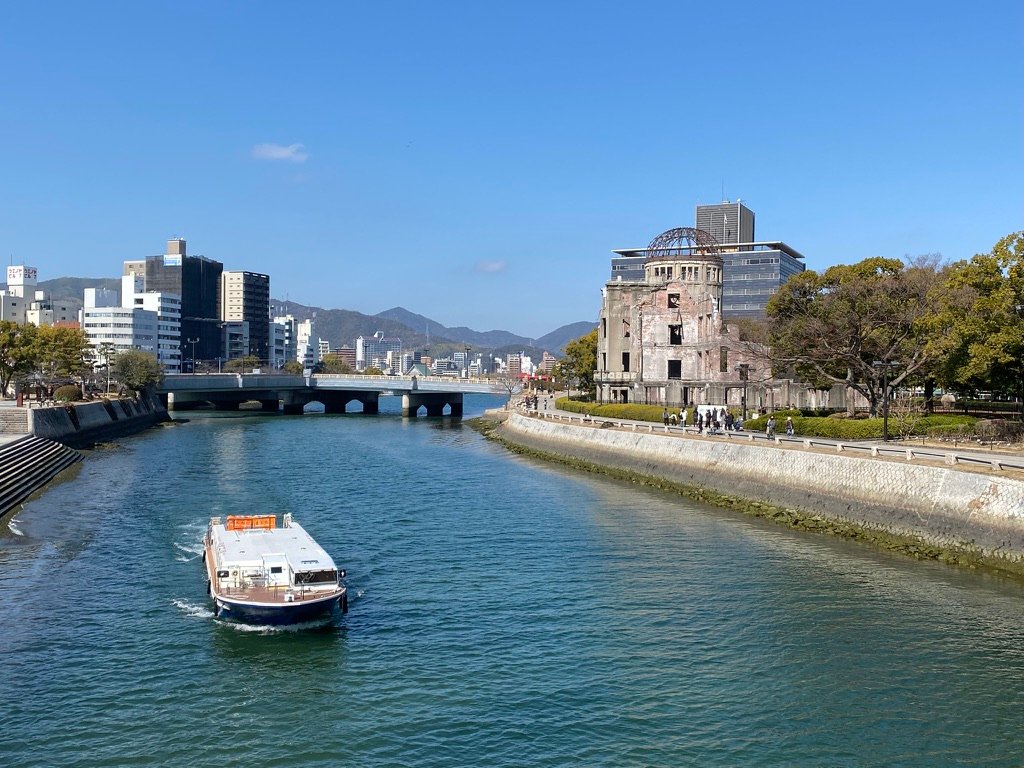
After settling in, we made our way to the Peace Park. It’s hard to describe the emotions—there’s a quiet reverence, a deep sadness, and a sense of reflection that settles over you. The sun was shining, the sky was blue, and the park was tranquil… which somehow made it feel even more poignant. Knowing the devastation that occurred here on 6th August 1945, and the suffering that followed, it was impossible not to feel moved.
The Atomic Bomb Dome – once the commercial exhibition centre – is now a haunting shell. It survived only because it was so close to the epicentre. Seeing it in person was sobering.
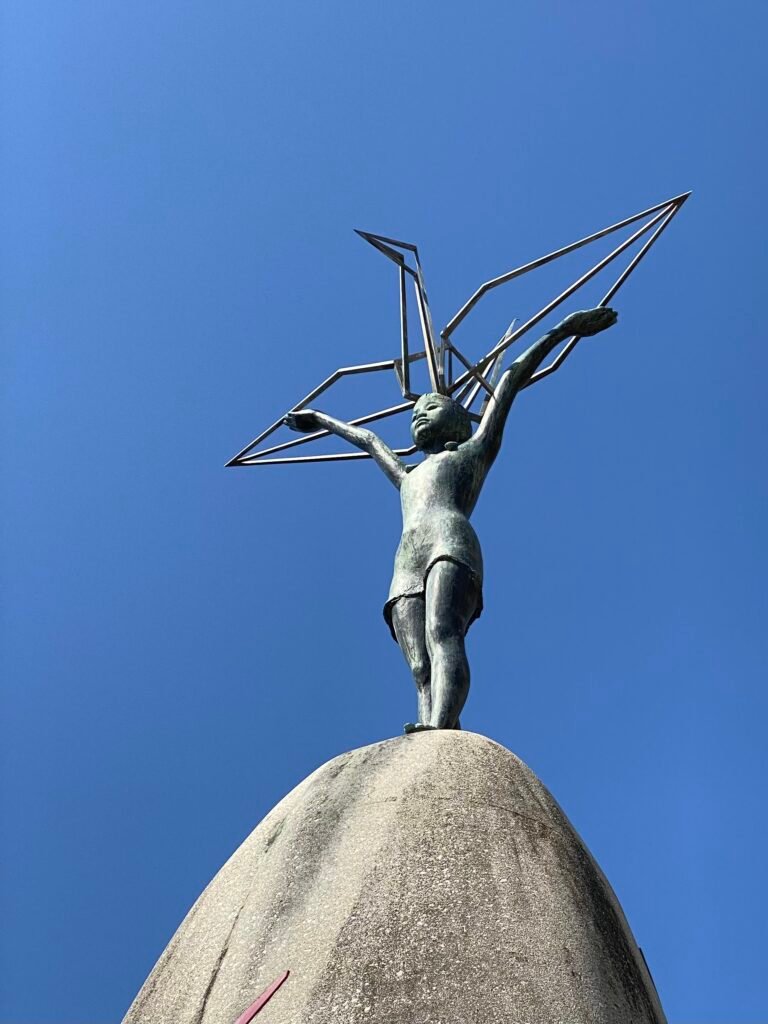
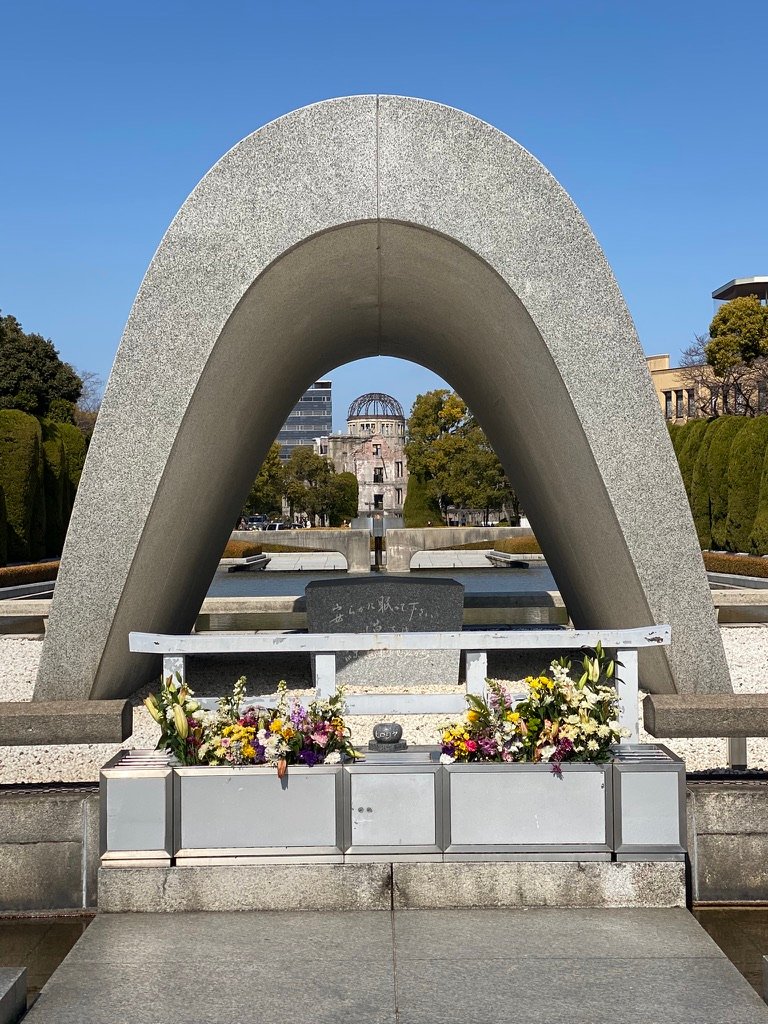
We walked silently through the park, ringing the Peace Bell, visiting the Children’s Peace Memorial, and pausing at the eternal Peace Flame. Then we descended into the Peace Memorial Museum. What struck me most was the tone – no blame, no bitterness. Just facts, and a powerful message: the people of Hiroshima want the world to learn from what happened here. It was humbling.
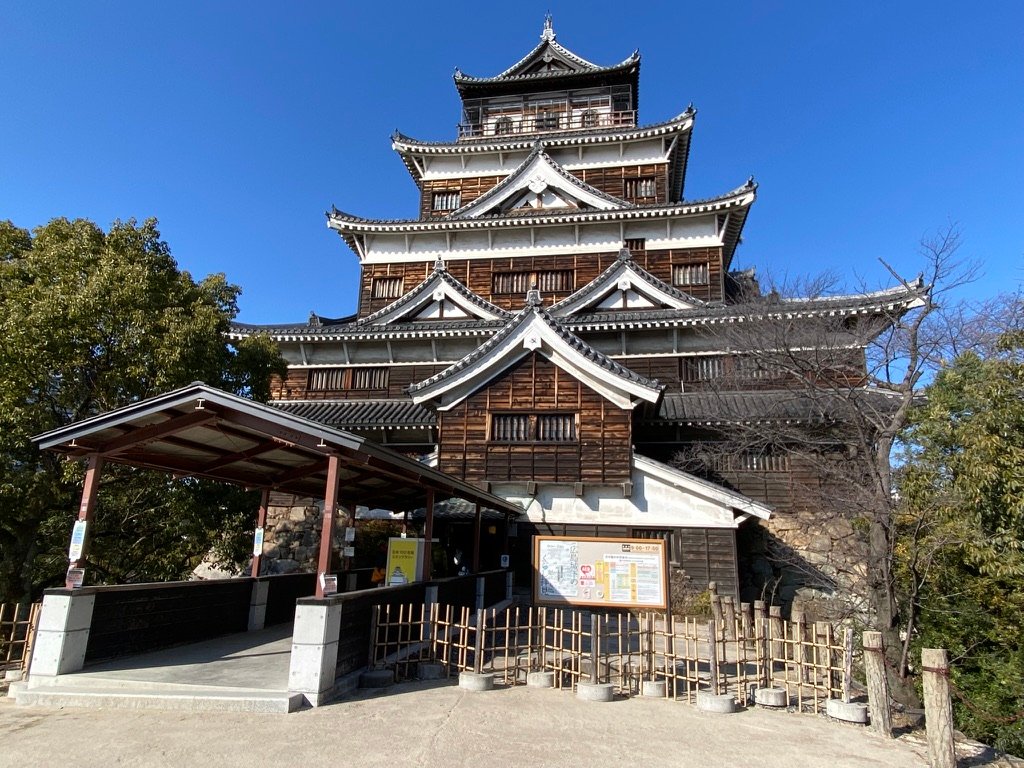
Later, we visited Hiroshima Castle. Though a replica (the original was destroyed in the bombing), it was compact, elegant, and surrounded by a peaceful park. Before reaching the castle, we passed through Gokoku Shrine, where our son picked out an adorable little ceramic koi carp amulet—thankfully paired with a positive fortune!
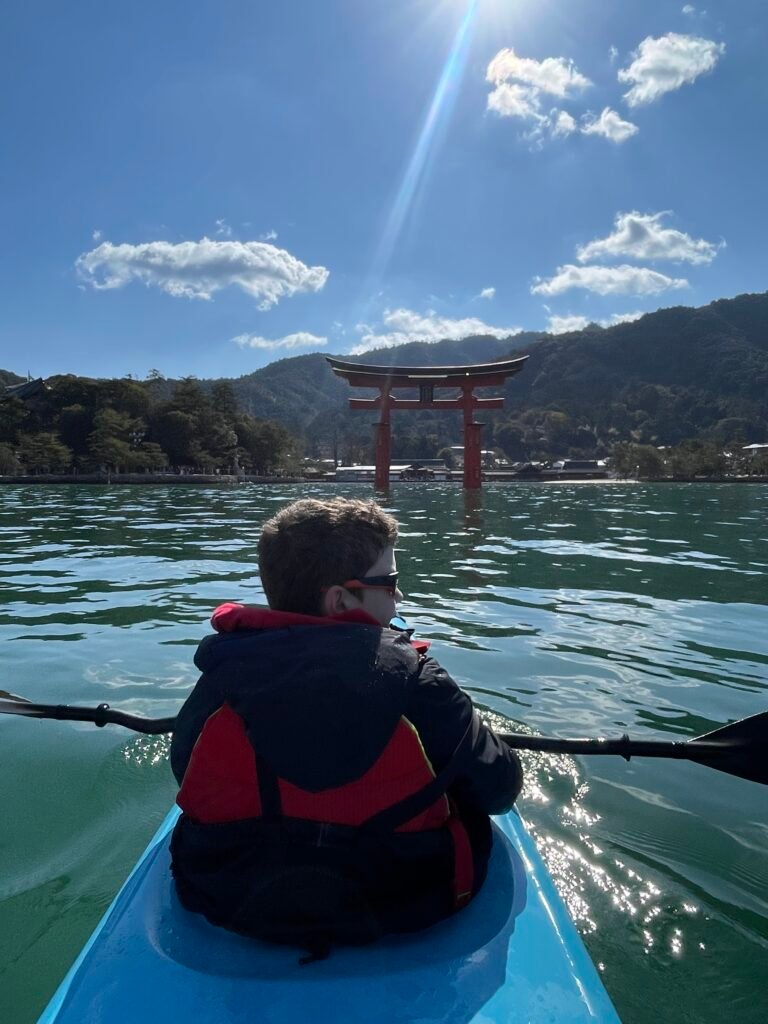
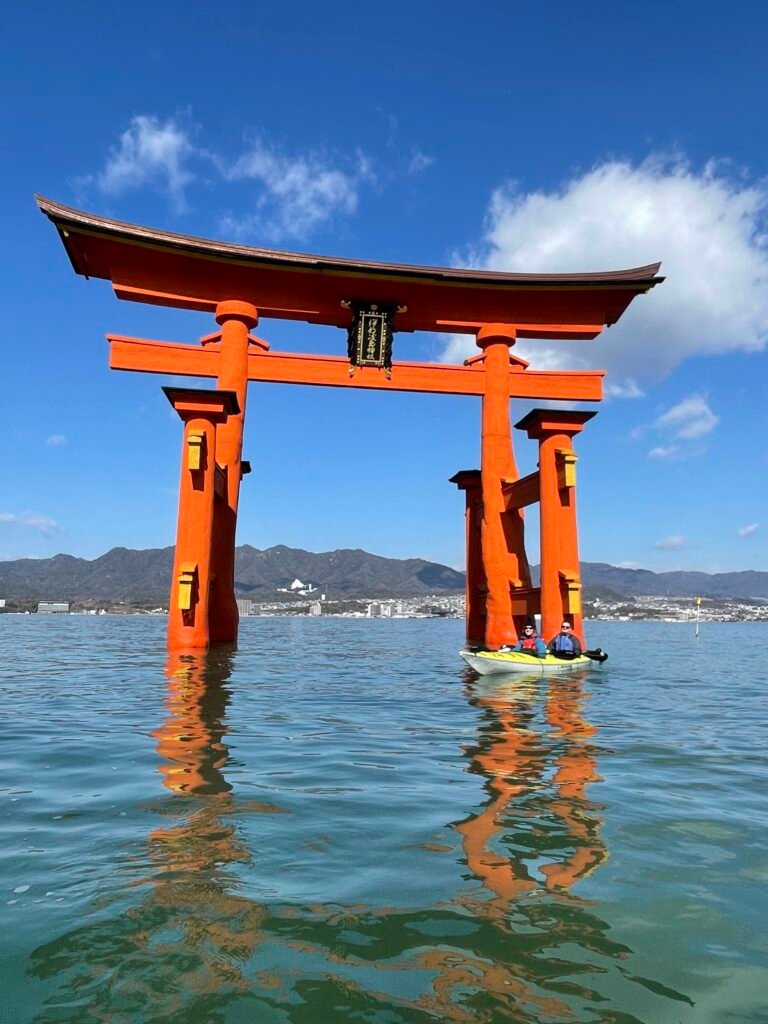
The next morning, we were up early to catch the high tide for a kayaking adventure to Miyajima Island with our guide, Masashi of Paddle Park. In two double kayaks – our son with Masashi, and my husband and I together – we paddled past oyster beds and under the iconic Otorii gate, cheekily photobombing the tourists admiring it from the shore. After a café stop on the island, we paddled back to the mainland, grinning from ear to ear. It was a real highlight of the trip.
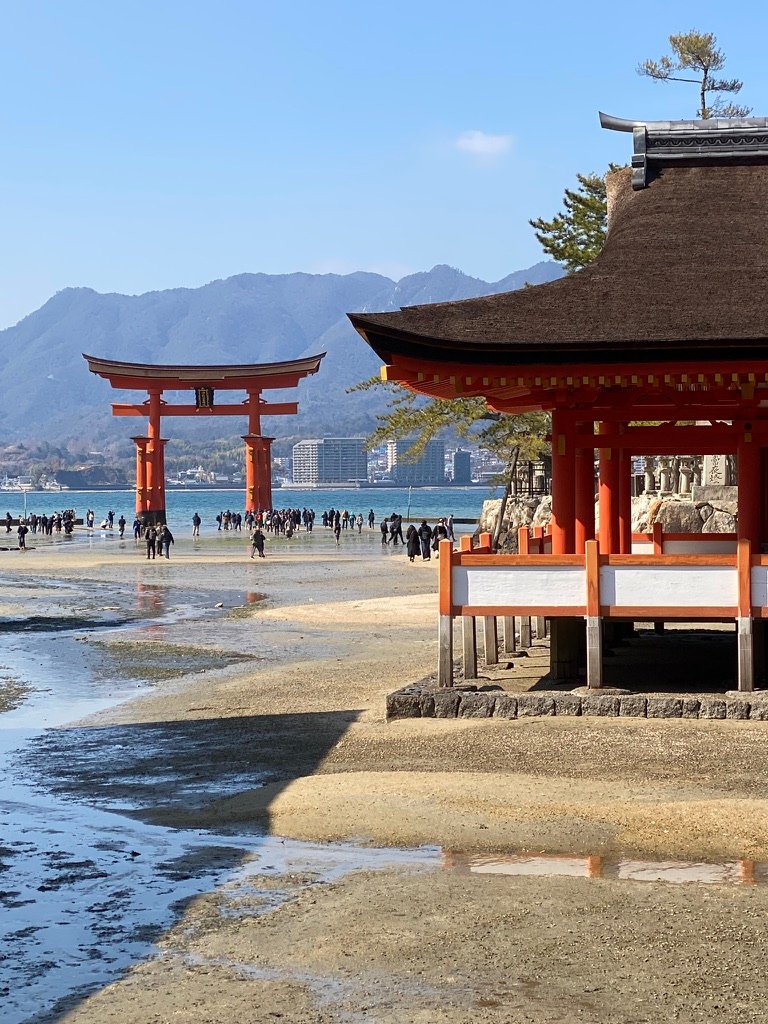
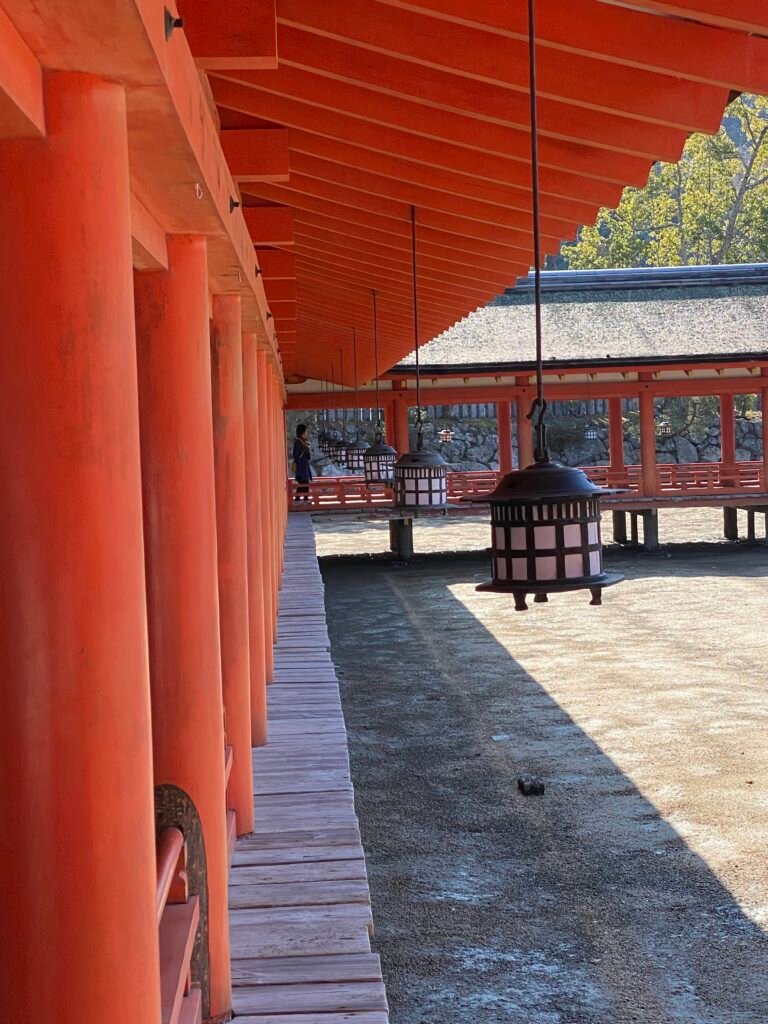
In the afternoon, we took the ferry back to Miyajima. With the tide now low, we walked right out to the Otorii gate – a completely different experience from the morning. We explored the beautiful Itsukushima Shrine, strolling along boardwalks over the dry seabed.
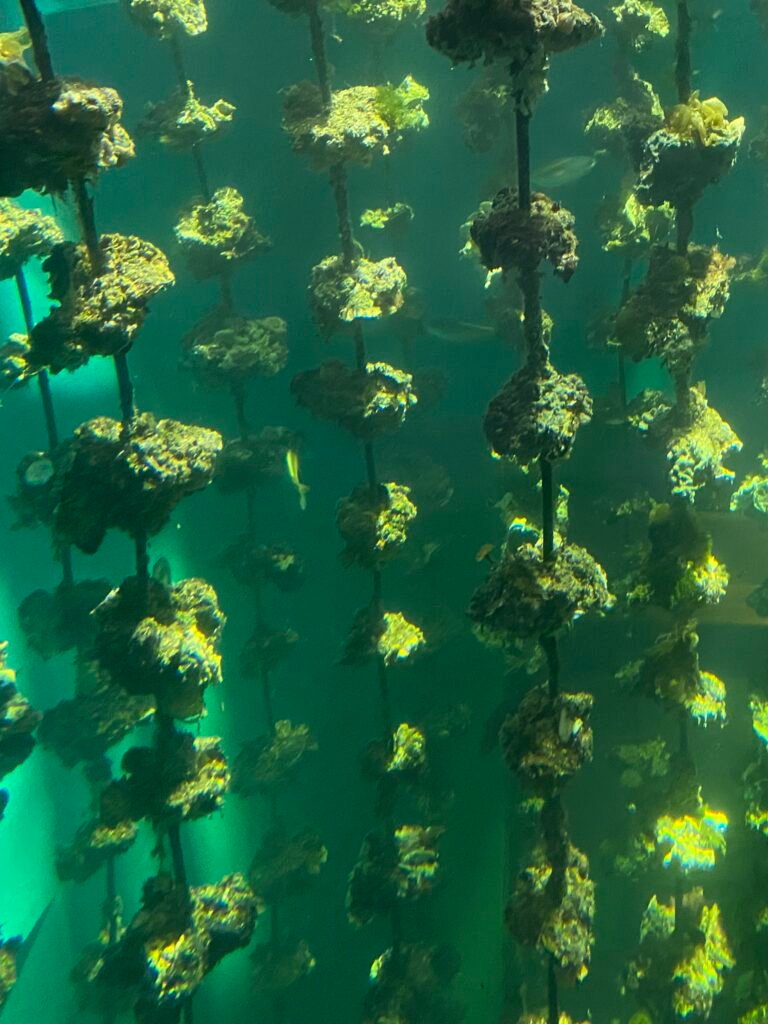
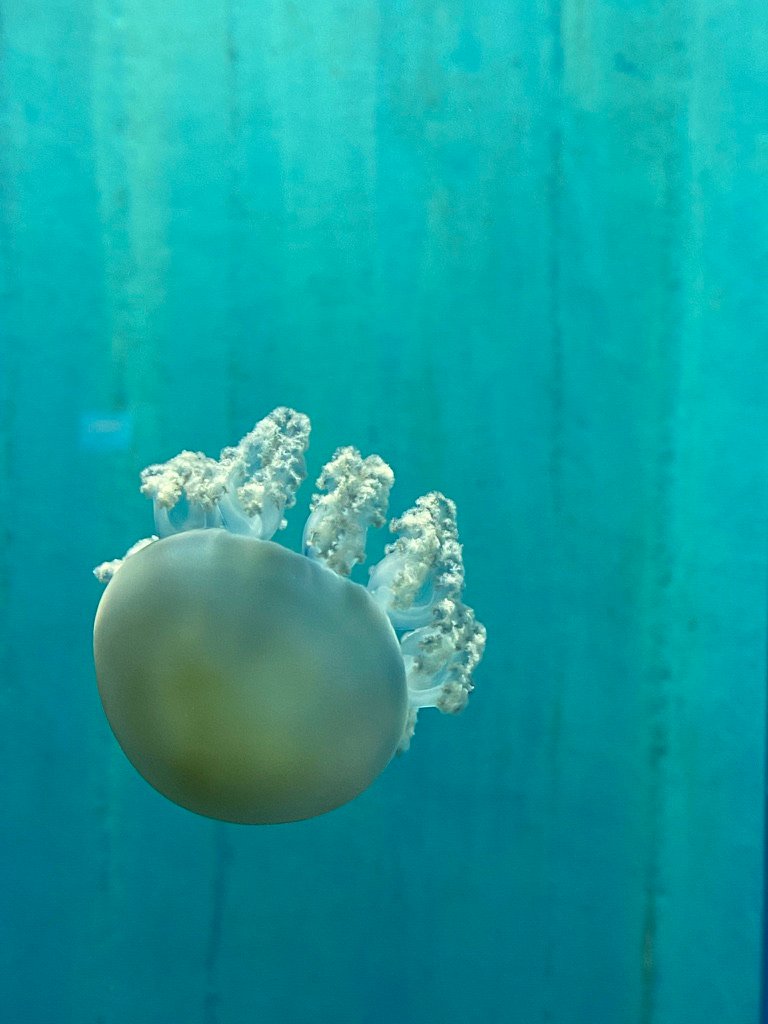
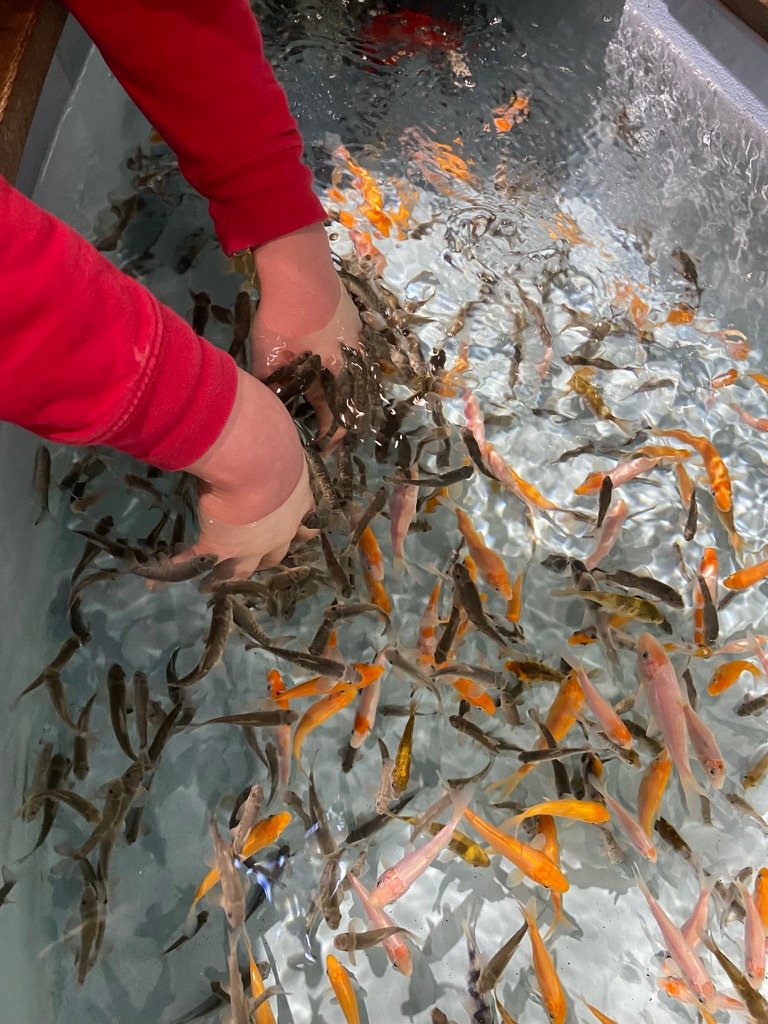
Then on to the aquarium, which showcases local marine life. It was fascinating to see an oyster bed in a towering tank – finally understanding what we’d paddled over earlier! Our son was especially taken with the Garra Rufa fish (aka doctor fish), who nibbled away at his hands with glee. I was… less convinced!
We wandered through the charming little shops, picking up souvenirs and posing for the obligatory photos with the island’s deer. Word of warning: don’t eat snacks near them. They will sneak up on you. We learned that the hard way!
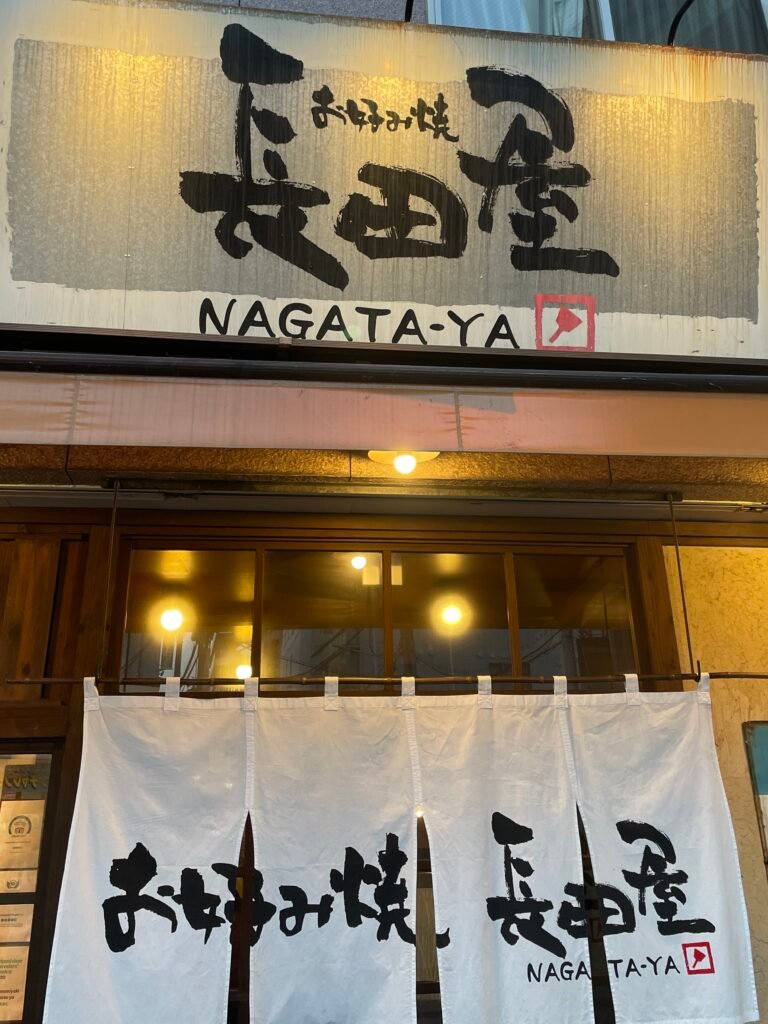
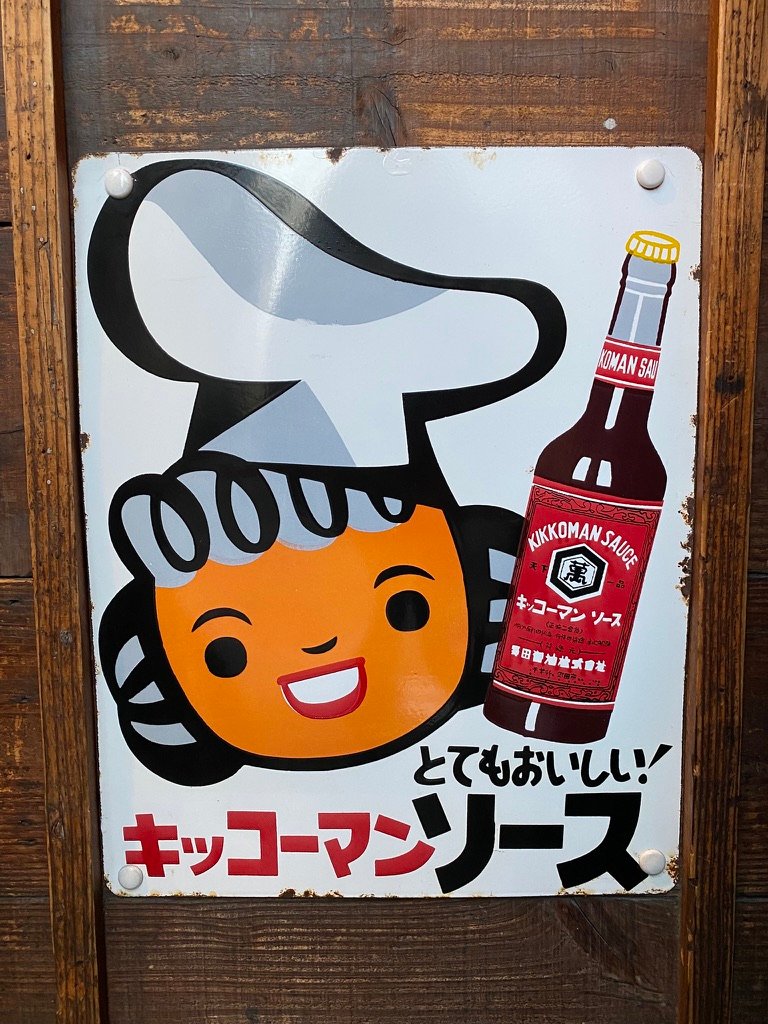
Later, we took a boat ride back to central Hiroshima, passing the Peace Garden once more. Tired and emotionally full, we went on a mission to find Hiroshima’s signature dish – okonomiyaki. We found a place with rave reviews, Nagata-Ya and joined the queue. It was worth it. Inside, the air was thick with delicious smells, and we were seated around a hot plate where our savoury pancakes—layered with cabbage, yakisoba noodles, cheese, meat, and that magical sauce – sizzled away. It was divine. So divine, in fact, that thanks to a little Japanese shop in London, we now keep a bottle of okonomiyaki sauce at home. Okonomiyaki is now officially on our regular dinner menu.
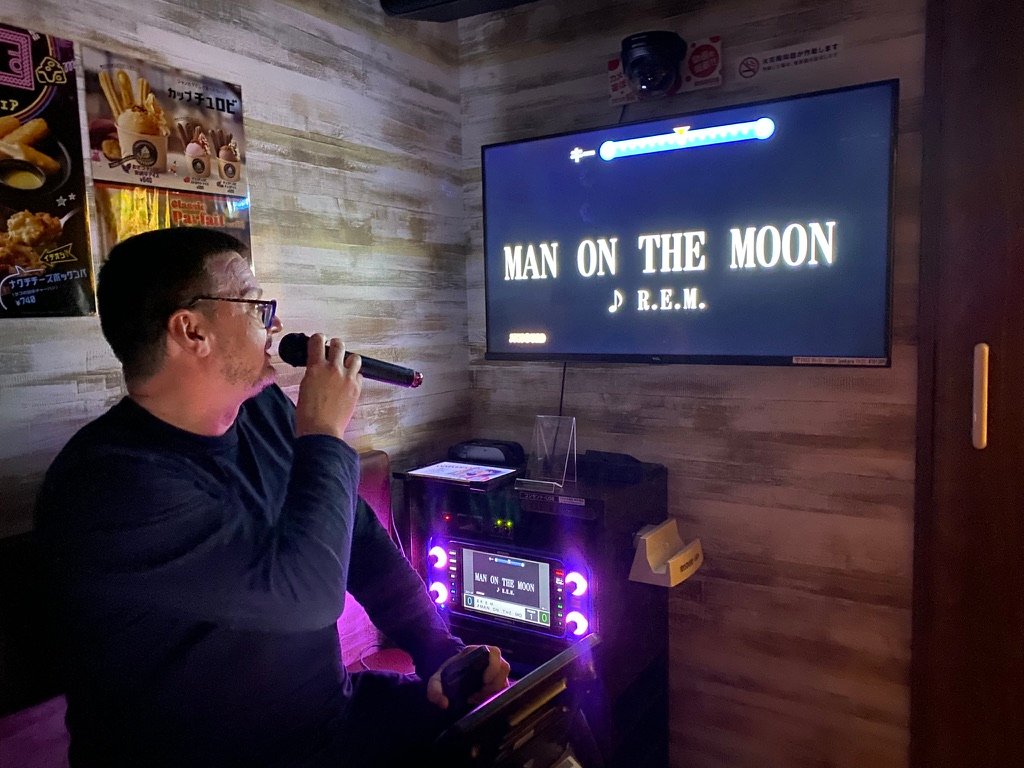
And what must you do when in Japan? Karaoke, of course! Our trip wouldn’t have been complete without it. So we rented a little soundproof booth and sang our hearts out – some better than others! Our son was especially grateful for the individual mic volume controls… mainly to keep mum under control. It was hilarious, slightly chaotic, and absolutely brilliant.
Hiroshima, you moved us. You taught us. You welcomed us with warmth. We love and admire you.
Hiroshima: Useful Links
Paddle Park – for kayaking trips to Miyajima and the Itsukushima Shrine
Osaka : Castles, Cookery & Glowing Jelly Beans
And so, our final Shinkansen whisked us off to Osaka. Peering out of the train window, we caught a fleeting glimpse of the famous Himeji Castle—so iconic it’s even immortalised in a Lego set. Blink and you’d miss it!
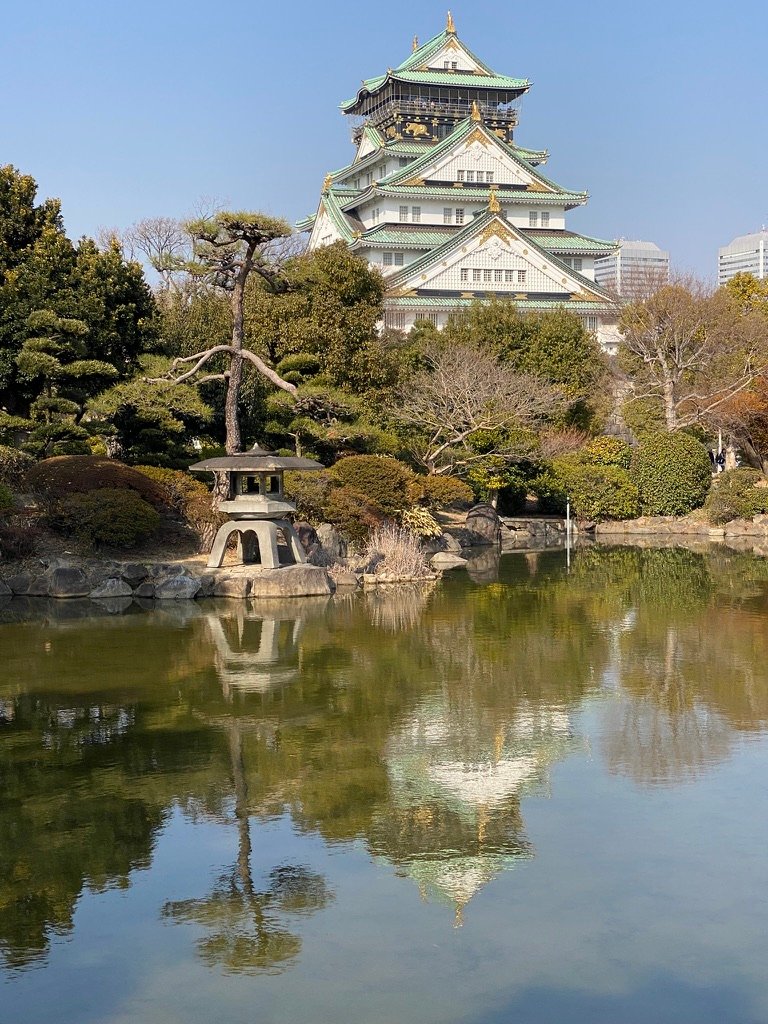
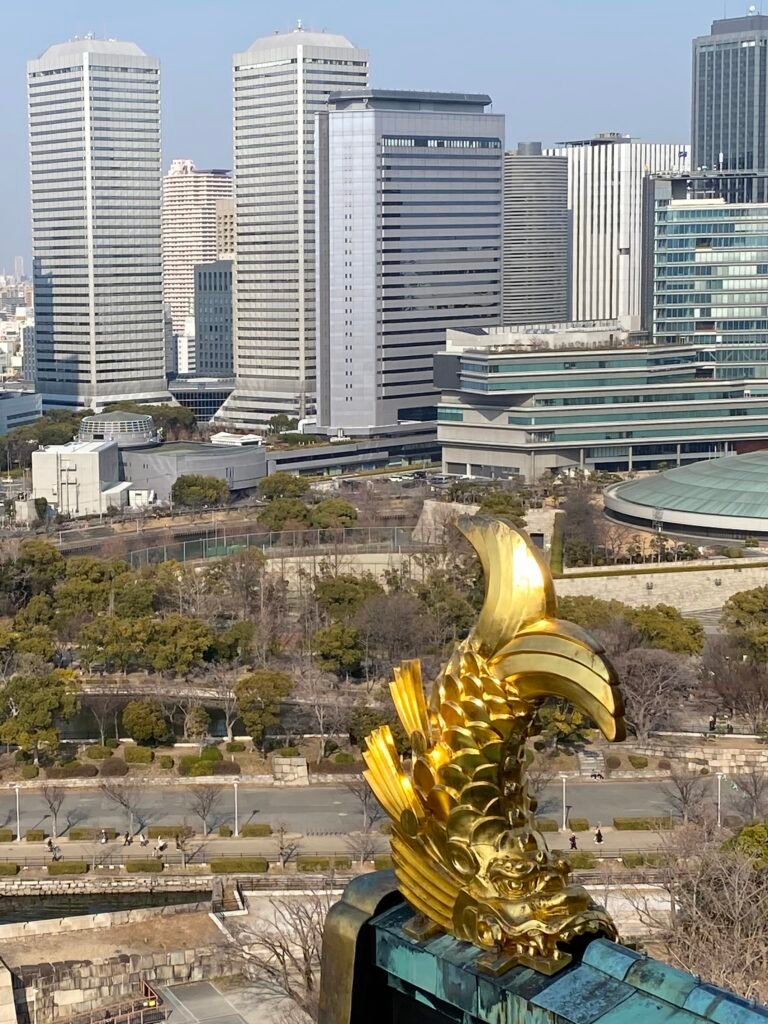
With only a short time in Osaka, I’d arranged a guided tour for the afternoon we arrived. Bags dropped at the hotel, we were off to Osaka Castle. And what a fortress! Surrounded by an impressive moat and fortified walls, it was clear no one was getting in without a serious effort. Once we’d navigated the defensive maze, the castle revealed itself – reflected in tranquil ponds, golden and glorious. We climbed to the top floor for sweeping views of the city and admired the ornate golden statues perched on the roof -mythical creatures with the body of a fish and the head of a tiger, said to spit water to protect the castle from fire. Fierce and fabulous.
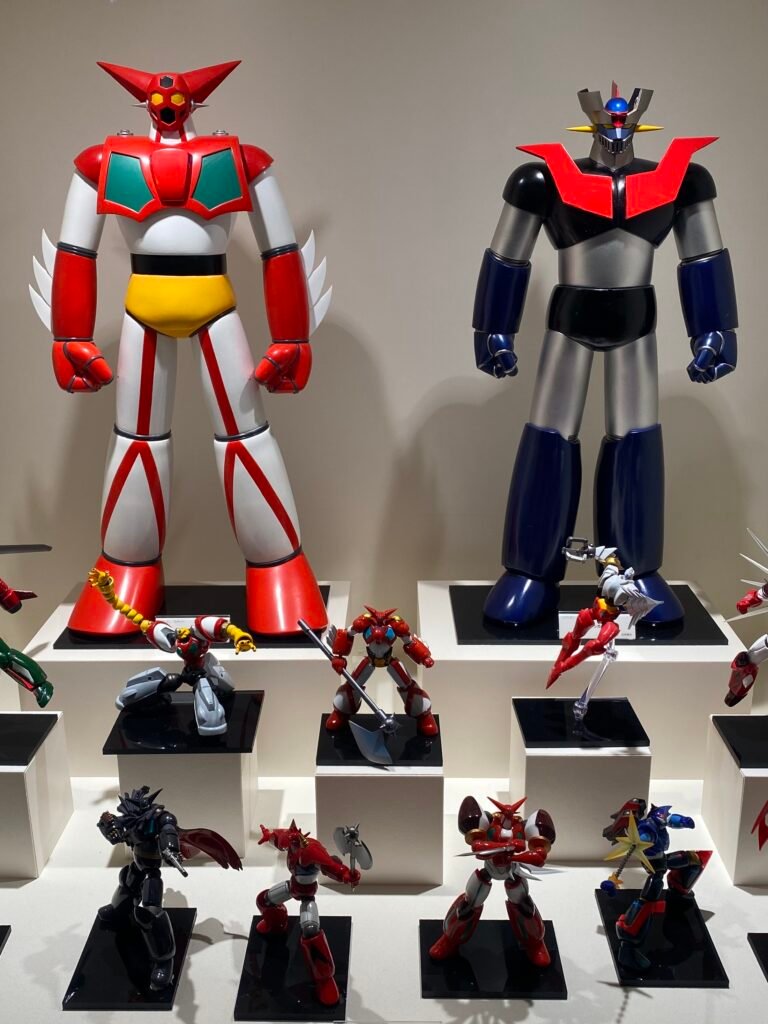
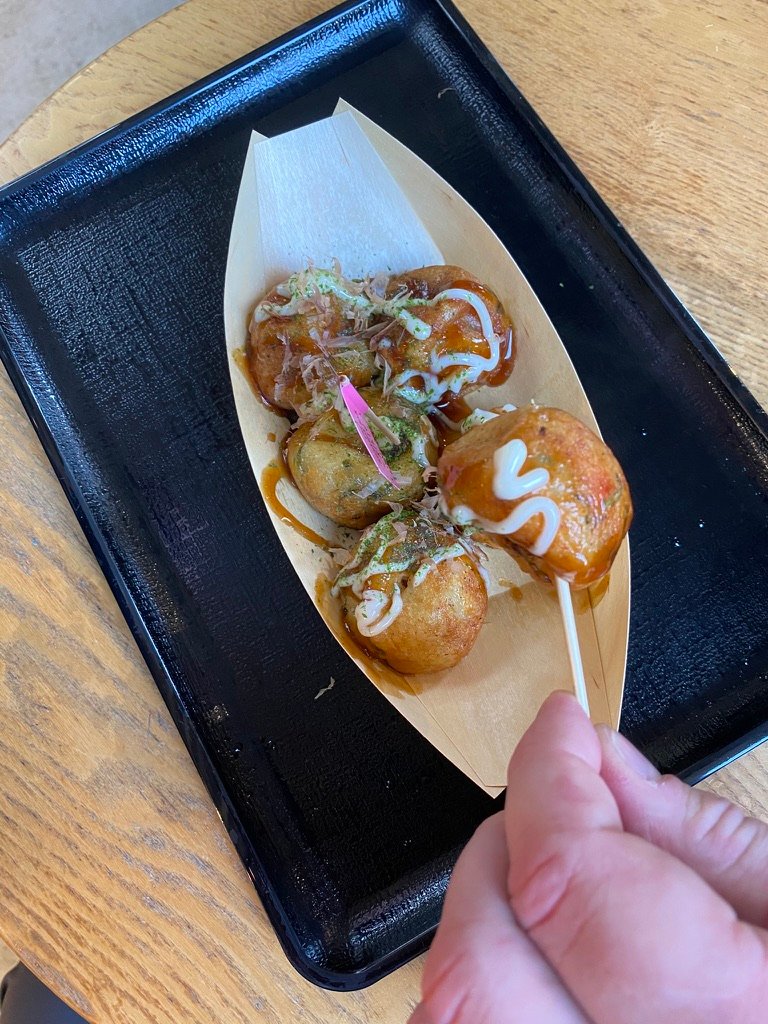
Within the castle grounds, we popped into the Kaiyodo Figure Museum—packed with anime figurines, animals, and cultural curiosities. Perfect for our son, who was feeling a little “castled out” by this point. In the café, my husband and son tried their first takoyaki – Osaka’s famous octopus pancake balls. Be warned: they come out thermonuclear. Proceed with caution!
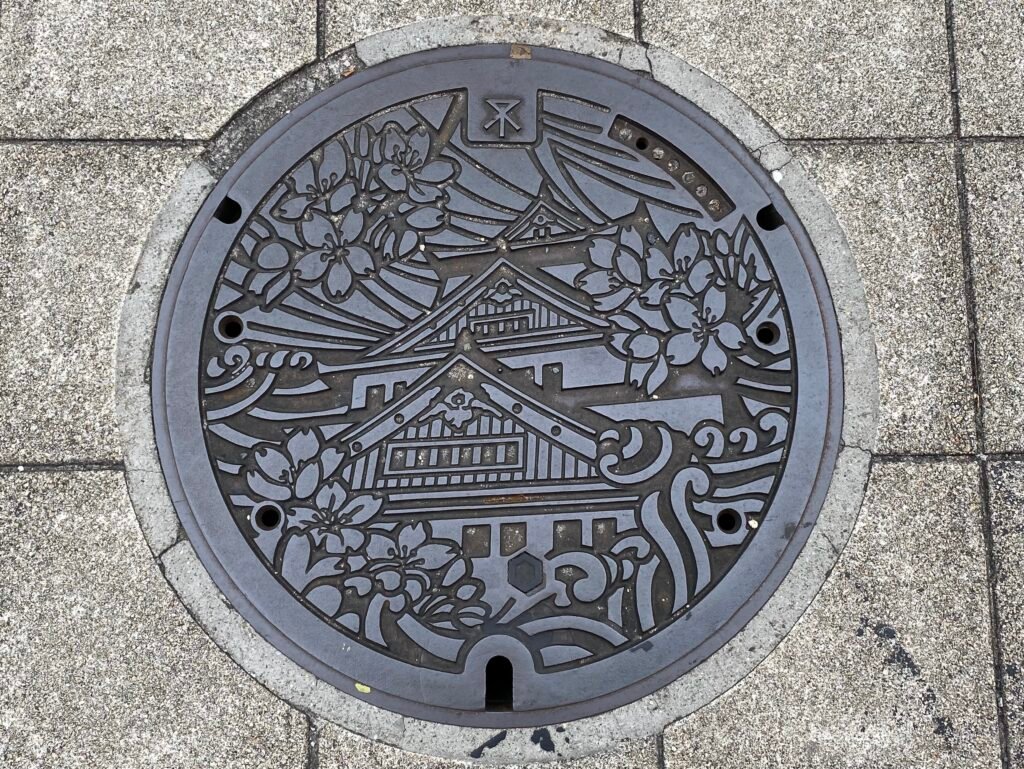
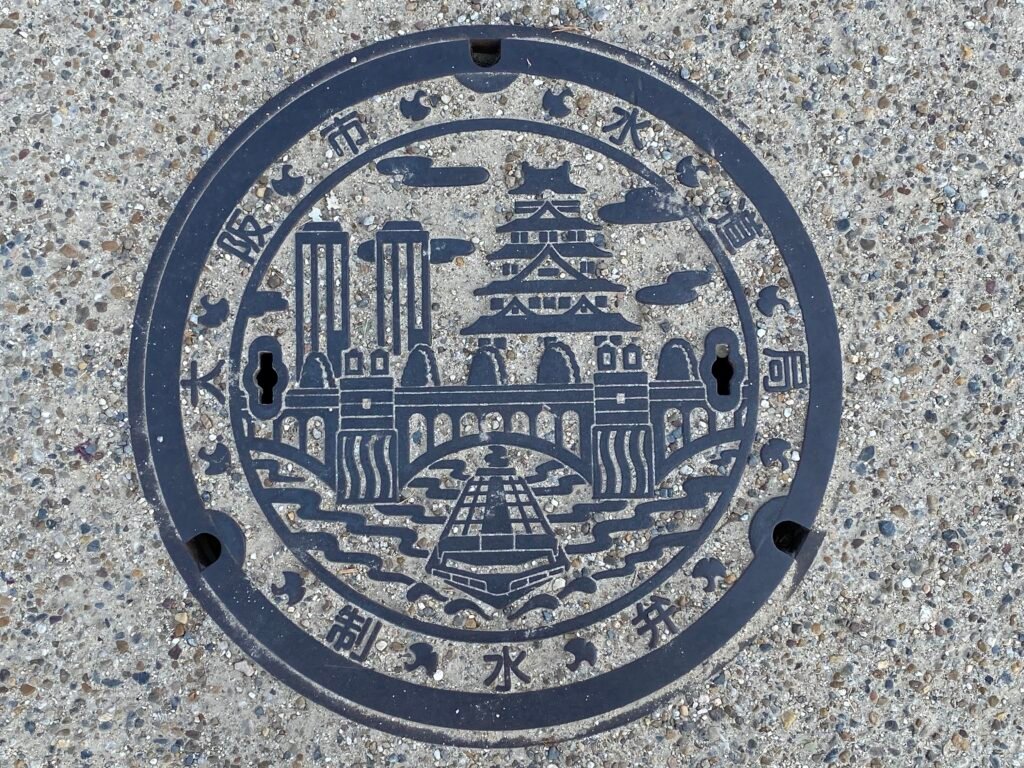
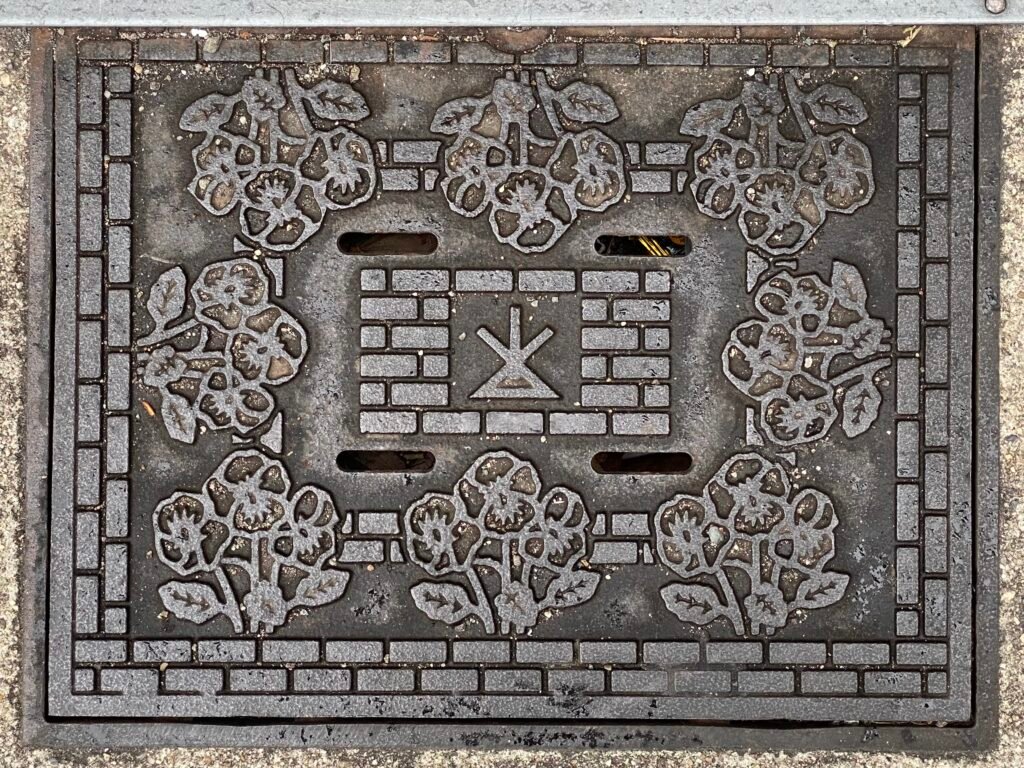
Osaka was also the first place I found myself photographing street covers. They’re genuinely beautiful – inlaid with images of the city, turning something mundane into miniature works of art.
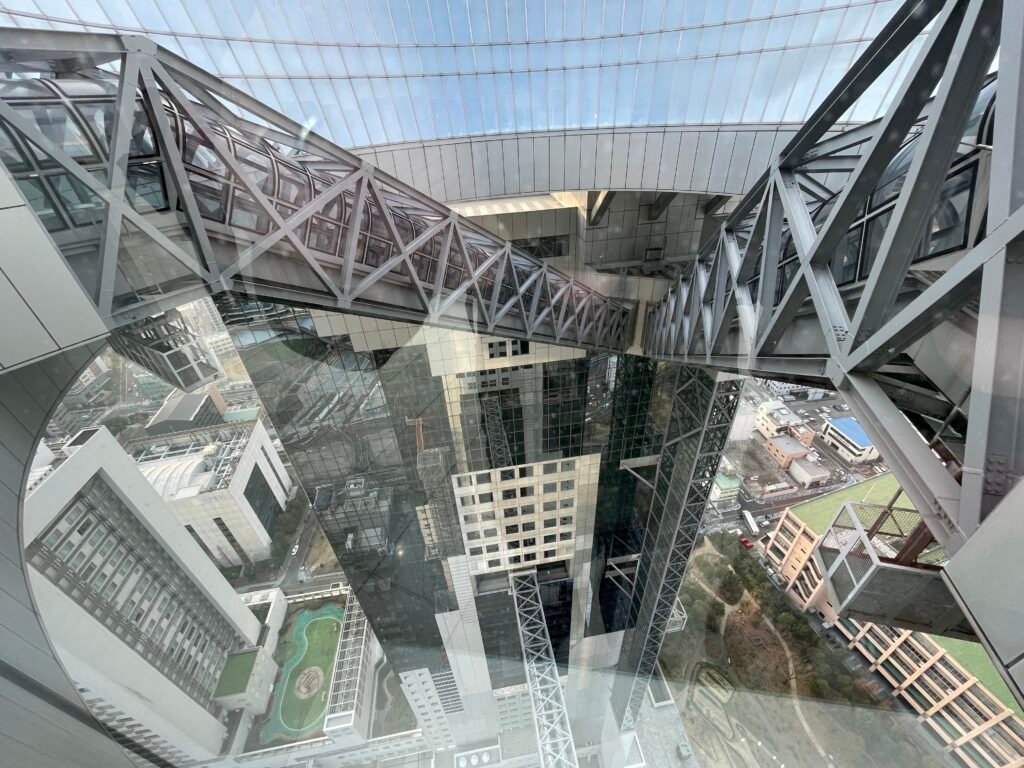
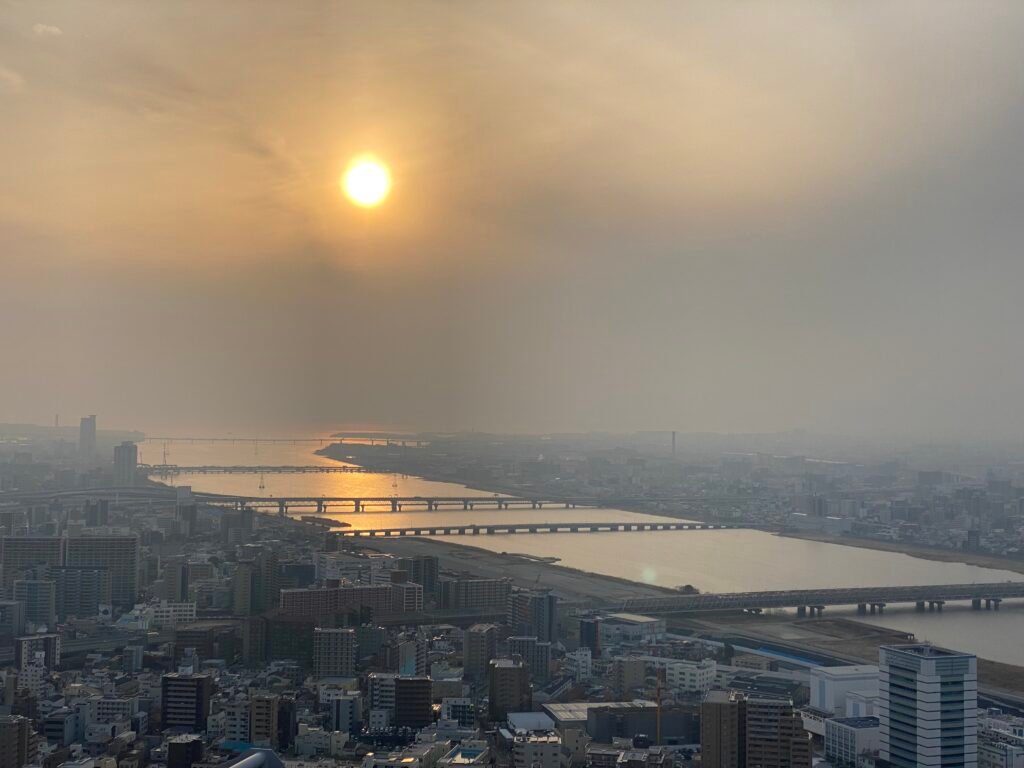
Our guide then decided to detour to the Umeda Sky Building. It’s a quirky architectural marvel with glass-sided escalators connecting two towers, and a circular open-air deck at the top. As the sun began to set, we looked out over the city, soaking in the view. But with the detour came a twist – we were now at the completely wrong end of town for our evening plans.
So, we made a pit stop at our hotel, Cross Hotel Osaka. Great location in Dotonbori, but the room… let’s just say it was cosy. The most cramped we’d been all trip, but it was only for one night and we were heading straight back out.
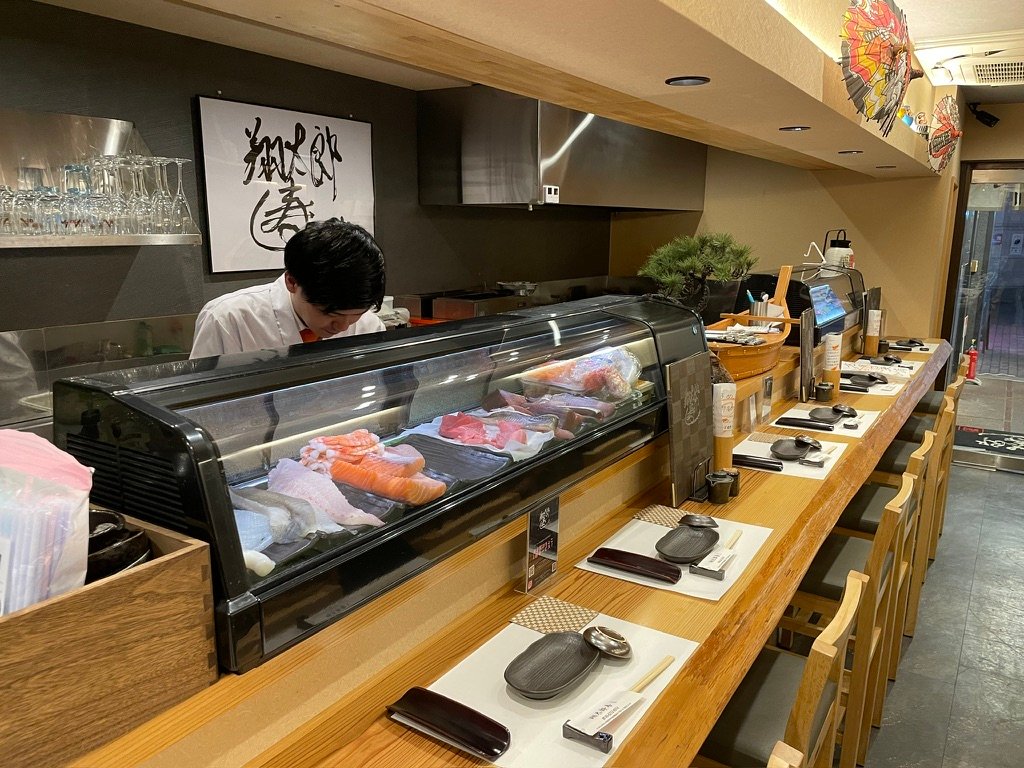
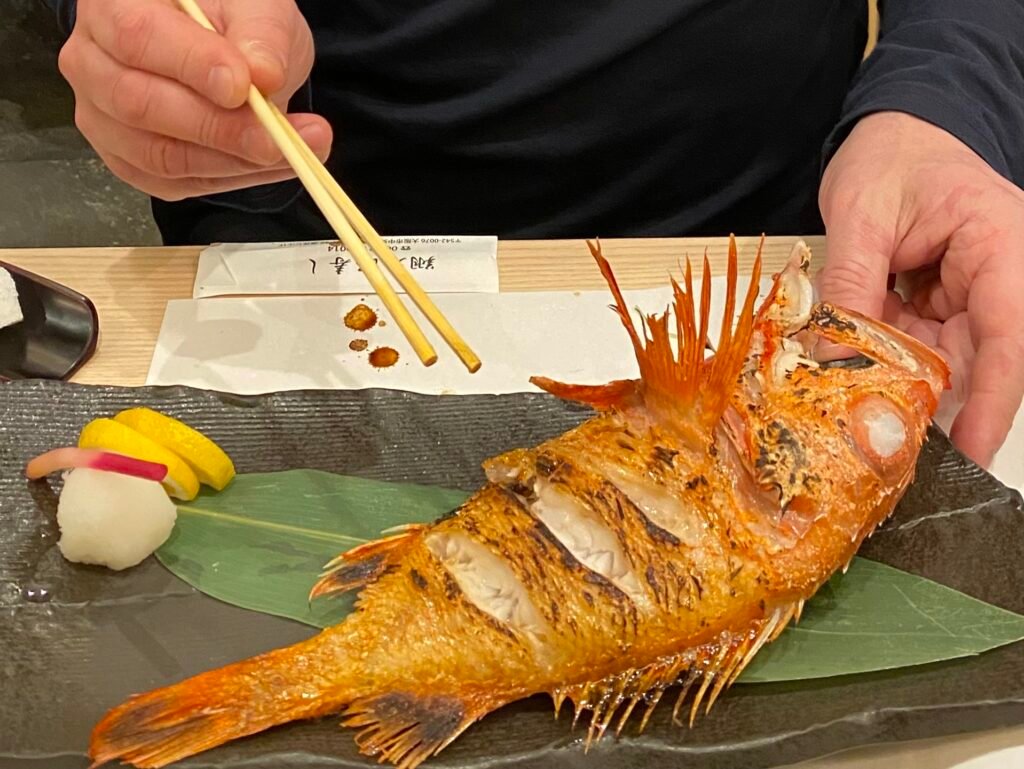
Dinner time! We wandered around the corner and broke all our usual eating-out rules. There was a photo board of menu options outside, and the owner practically pulled us in off the street into an empty restaurant. We hesitated – do we stay or keep looking? Hunger won. And thank goodness it did. The food was amazing. We kept ordering plate after plate, glass after glass, and the staff were so lovely. Before long, the place was buzzing and full, and when we left, there was a queue out the door. Sometimes you just luck out – and we did.
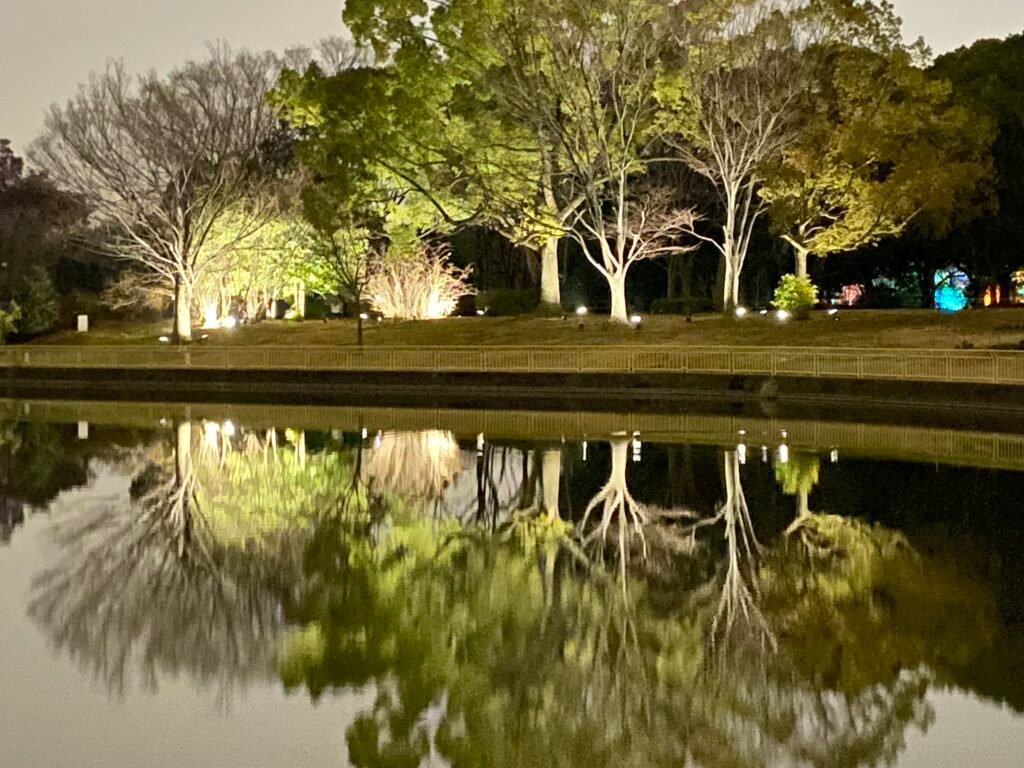
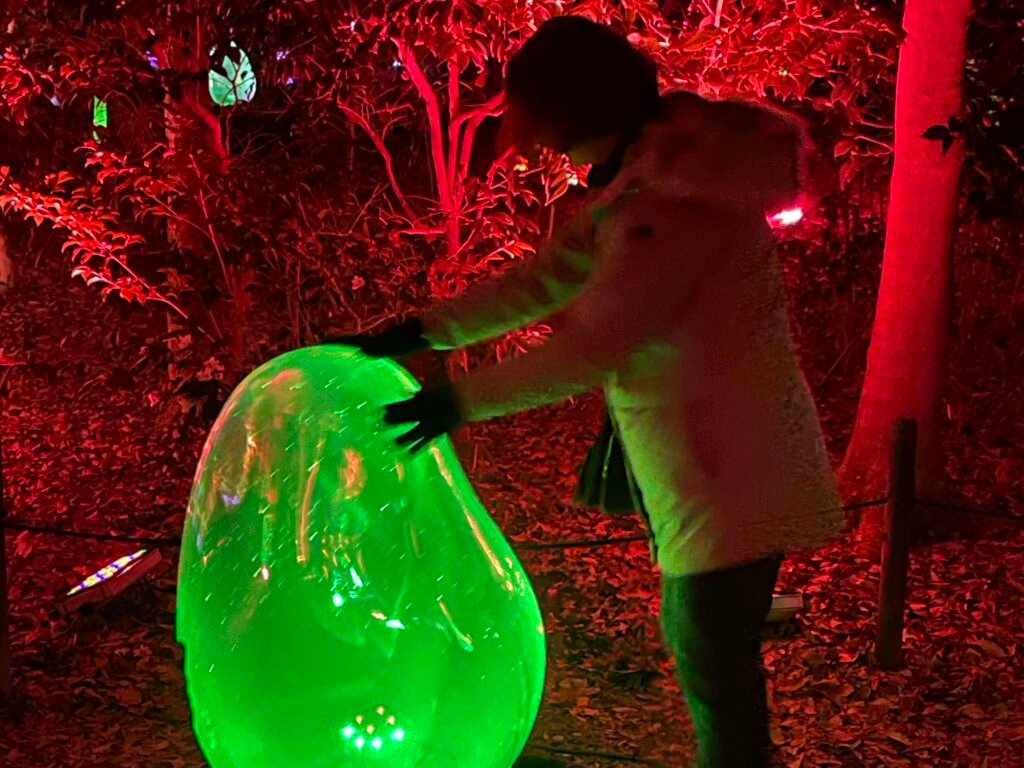
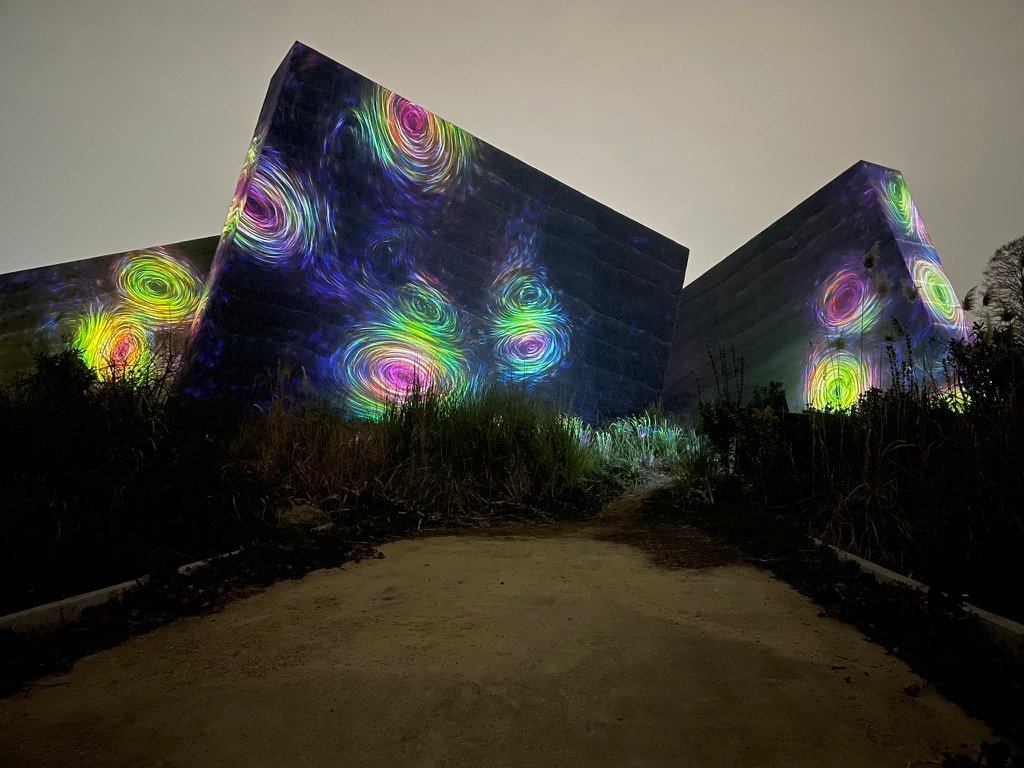
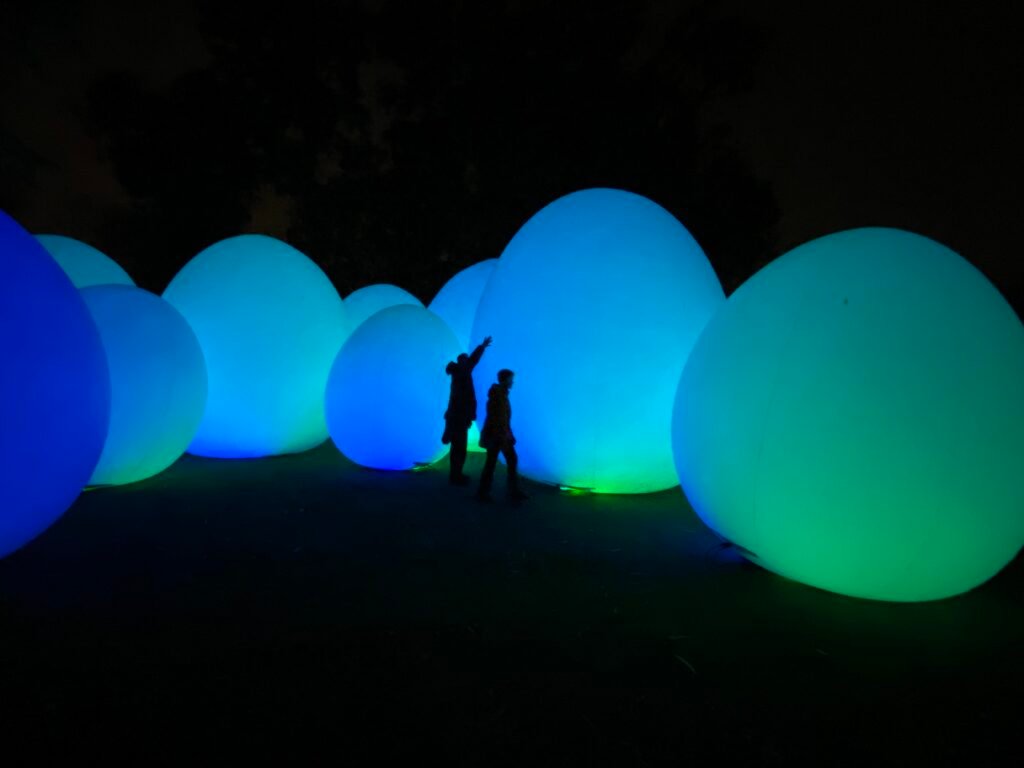
Re-vitalised, we headed to the Osaka Botanical Gardens for the Borderless light and colour display. Like Tokyo’s version but outdoors, it was magical. Projections danced across buildings, shimmered in lakes, and light sculptures were woven through the woodland. Giant glowing jelly beans nestled between trees, swirling “Catherine wheels” lit up the buildings like fireworks, and clutches of enormous inflatable eggs clustered together, just begging to be squeezed between. It was surreal, whimsical, and utterly enchanting.
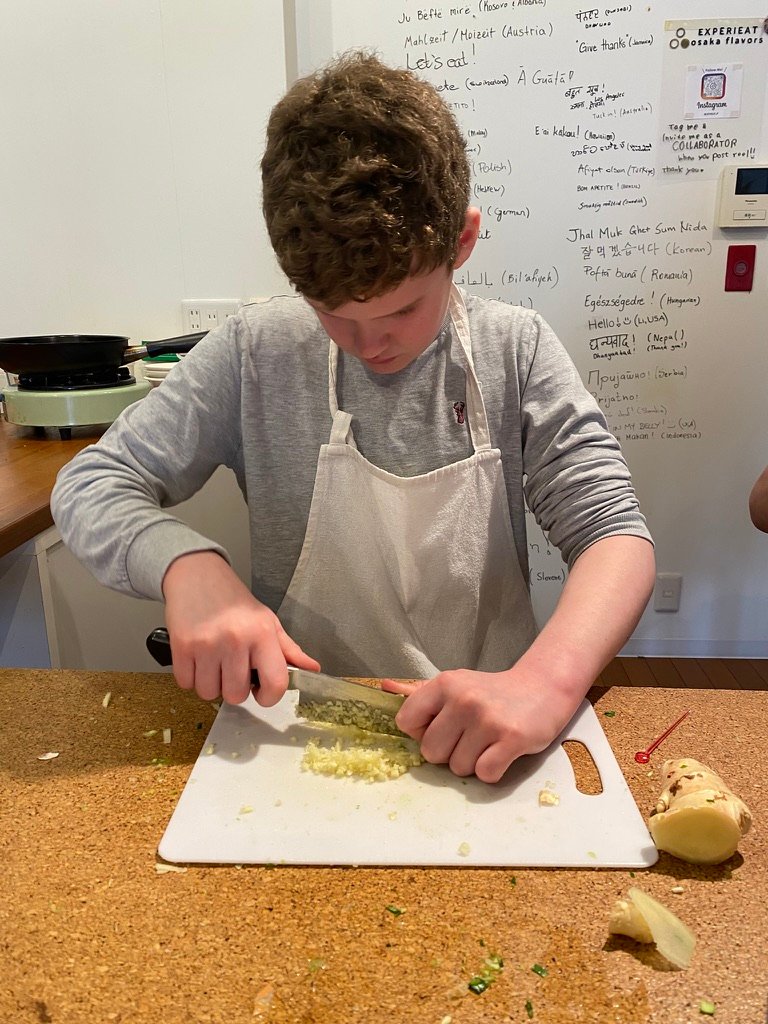
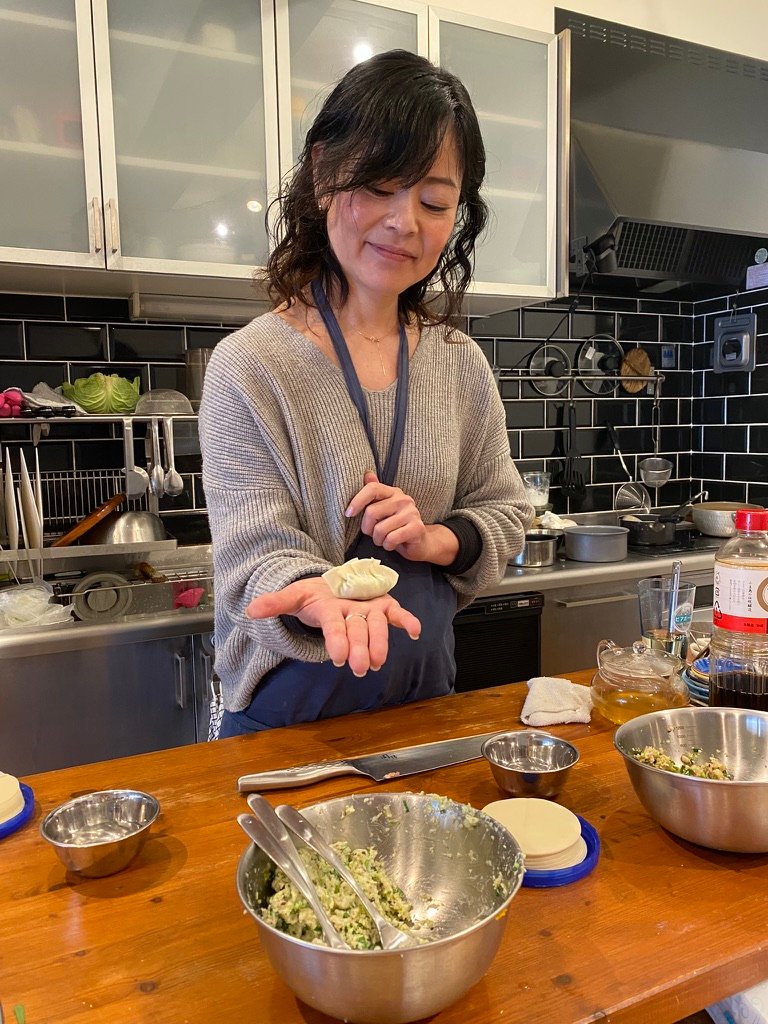
Our final day began with a visit to Yucco’s cookery school, Experieat. We met outside a coffee shop and she led us to her grandparents’ old apartment, now transformed into a kitchen classroom. We spent the morning learning to make different types of ramen broth, fresh noodles, and gyoza. It was so much fun – and delicious! We left full and armed with recipes, ready to recreate a true taste of Japan back home.
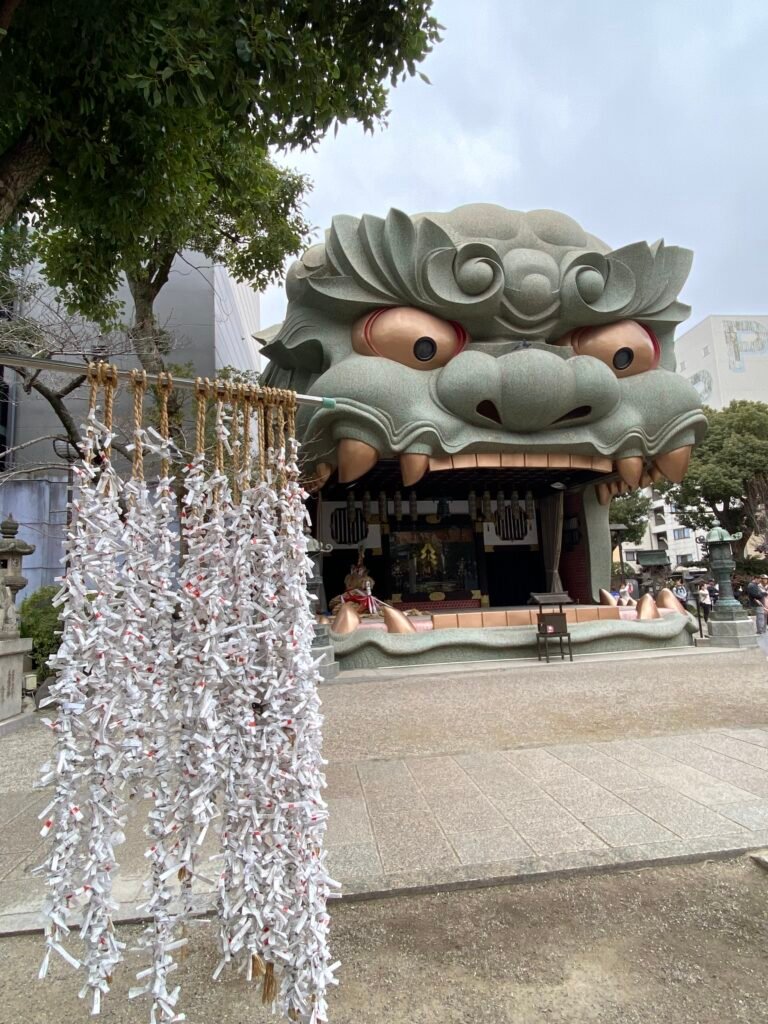
Just around the corner was Namba Yasaka Shrine – an enormous lion head believed to swallow evil spirits and bring good luck. It was bold and brilliant, making us smile.
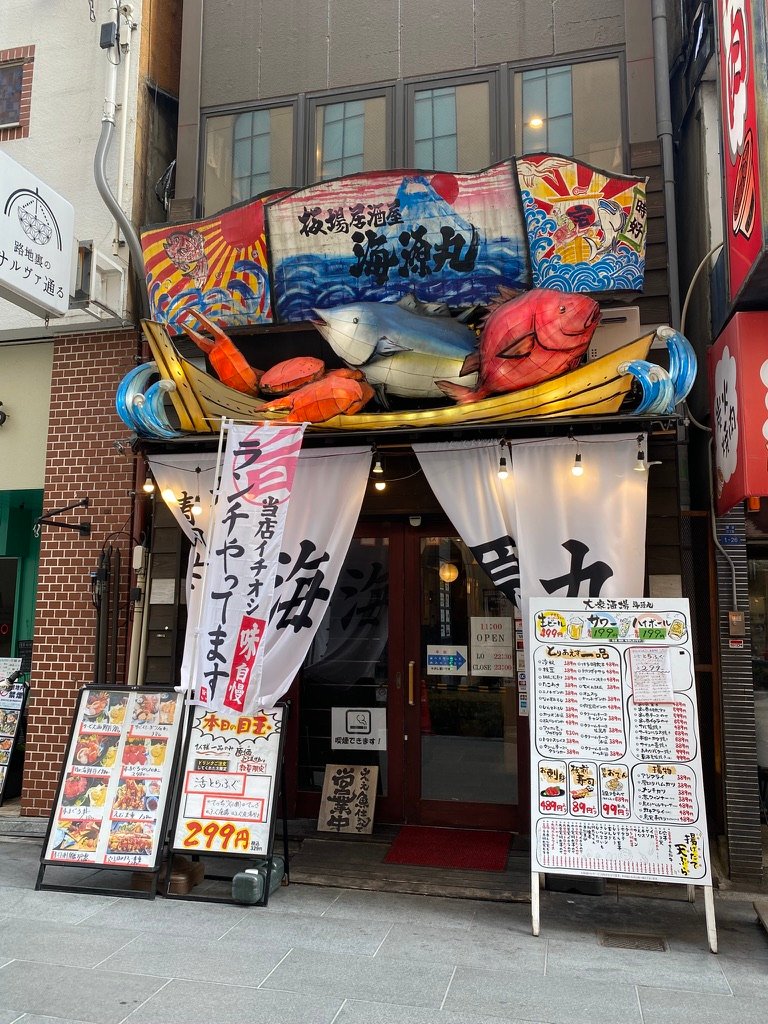
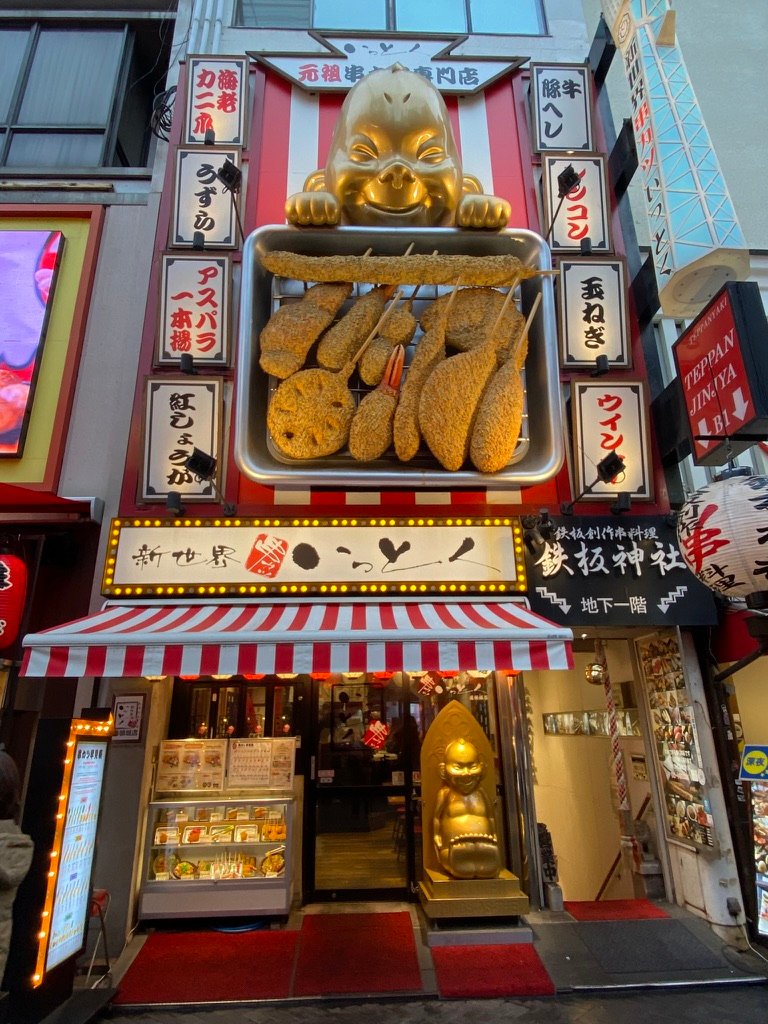
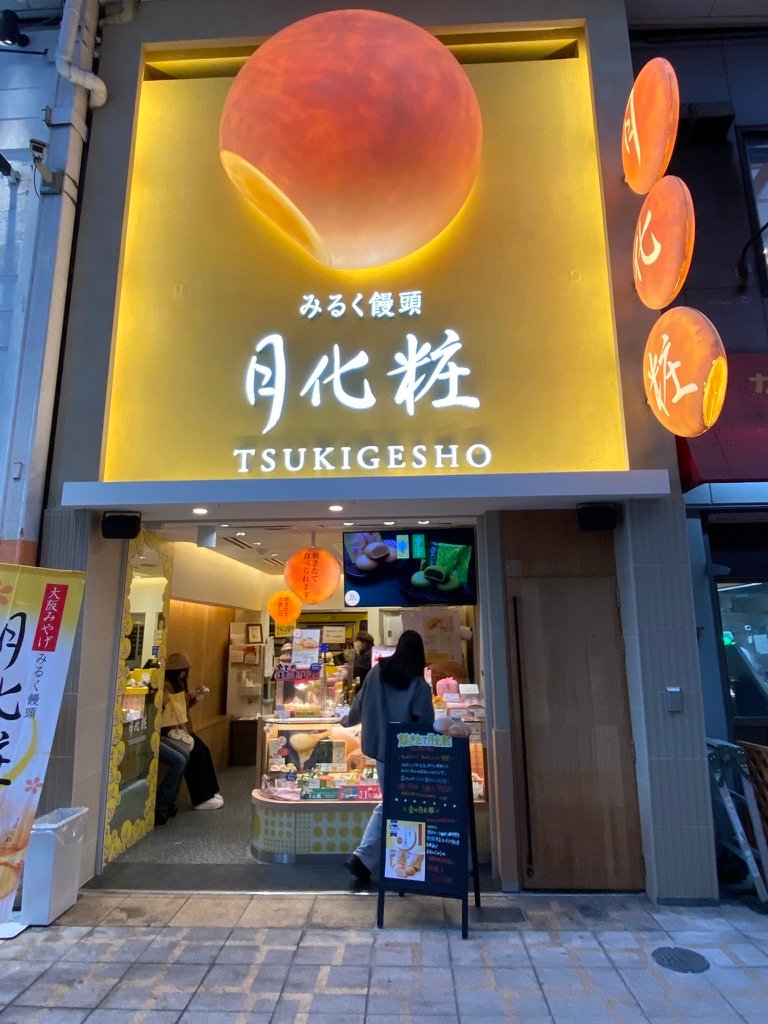
Then came a final wander through the streets of Namba for some last-minute shopping. We stumbled into our first 50 yen store (how had we missed these gems?) and stocked up on Japanese cooking tools and origami paper. The shopfronts in Osaka are something else – larger than life, with giant models of mochi, strawberries, and octopus, whatever is appropriate looming above the doors.
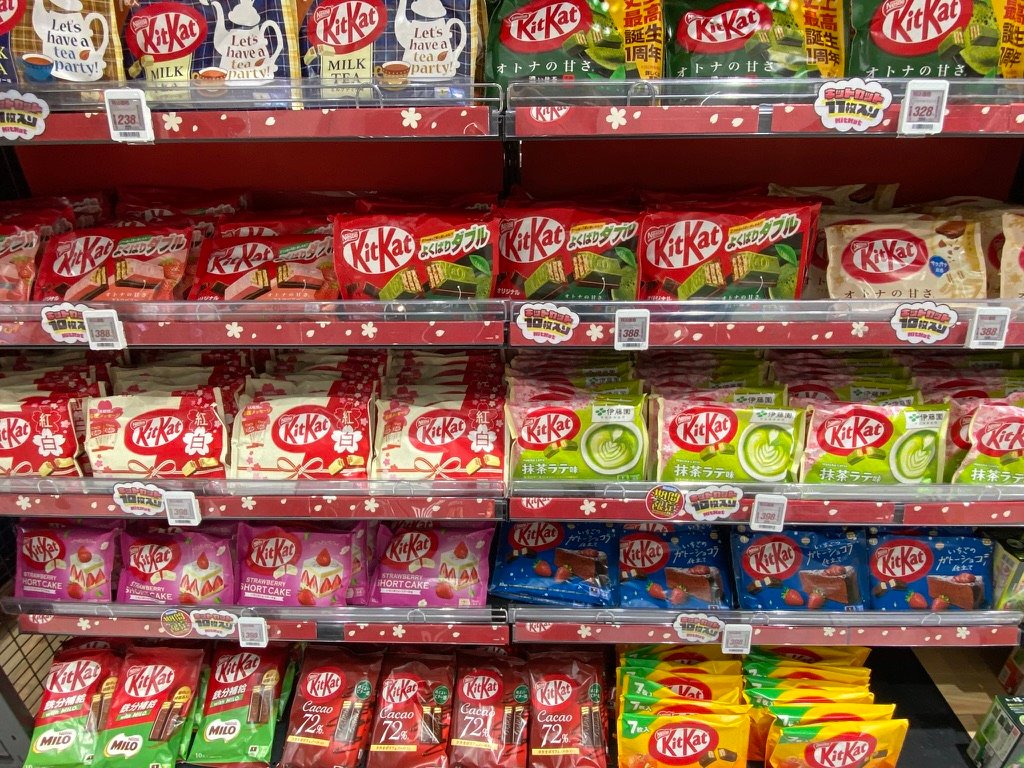
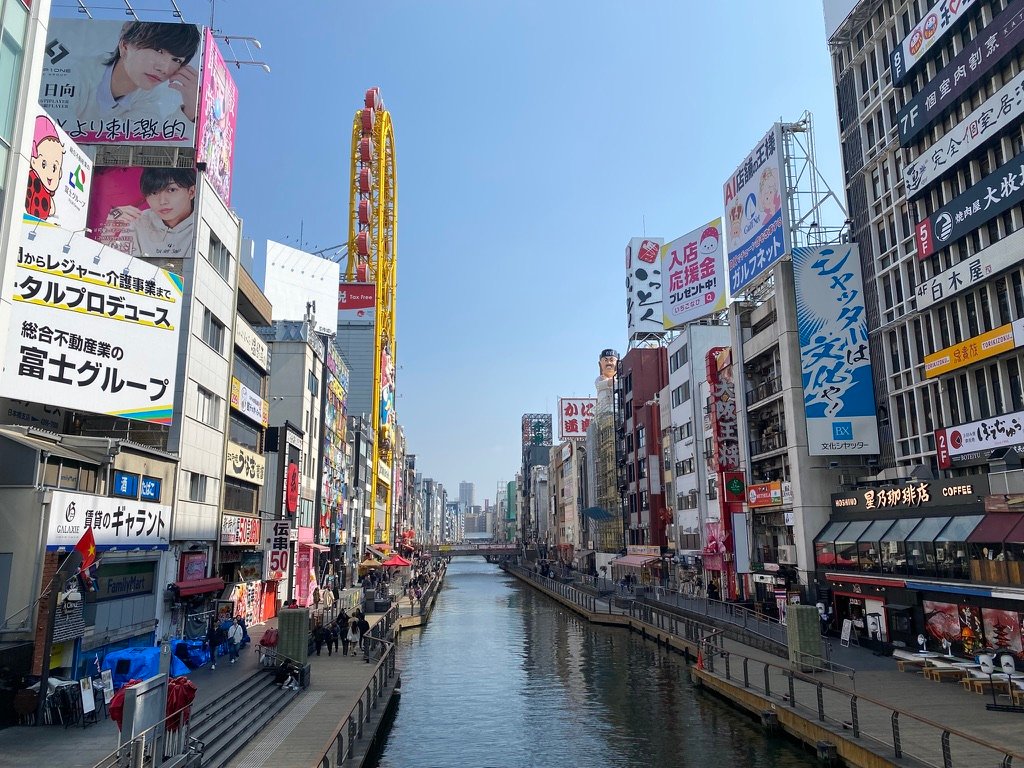
We also discovered another Japanese treasure: flavoured KitKats. Forget boring milk chocolate – think matcha, strawberry, and all sorts. We strolled along the Dotonbori canal one last time, and had just enough time for one more wagyu stick and a final fluffy, Japanese pancake before heading to the airport.
Osaka, you were short but the perfect finale to our Japanese adventure.
Osaka: Useful Links
Final Thoughts : Sayonara for Now
And so, our Japanese adventure came to an end. But not without one last head-scratcher… why did we fly from Osaka to Tokyo for our international flight home? We should’ve squeezed in one more bullet train ride, but hey – live and learn!
As we soared over the Arctic, the sky gifted us one final surprise: shimmering glimpses of the Northern Lights. A magical farewell from above. And yes, we even got one last use of those wonderfully high-tech Japanese toilets. Buttons, music, mystery settings – we’ll miss them more than we care to admit.
These two weeks were an absolute treat. We learnt and laughed so much, and soaked up more new experiences than we ever imagined. Our son is now adamant he’ll live in Japan one day – and honestly, we wouldn’t be surprised. Japan has nestled its way into all our hearts.
Whatever the future holds, one thing’s for sure: we’ll be back.